
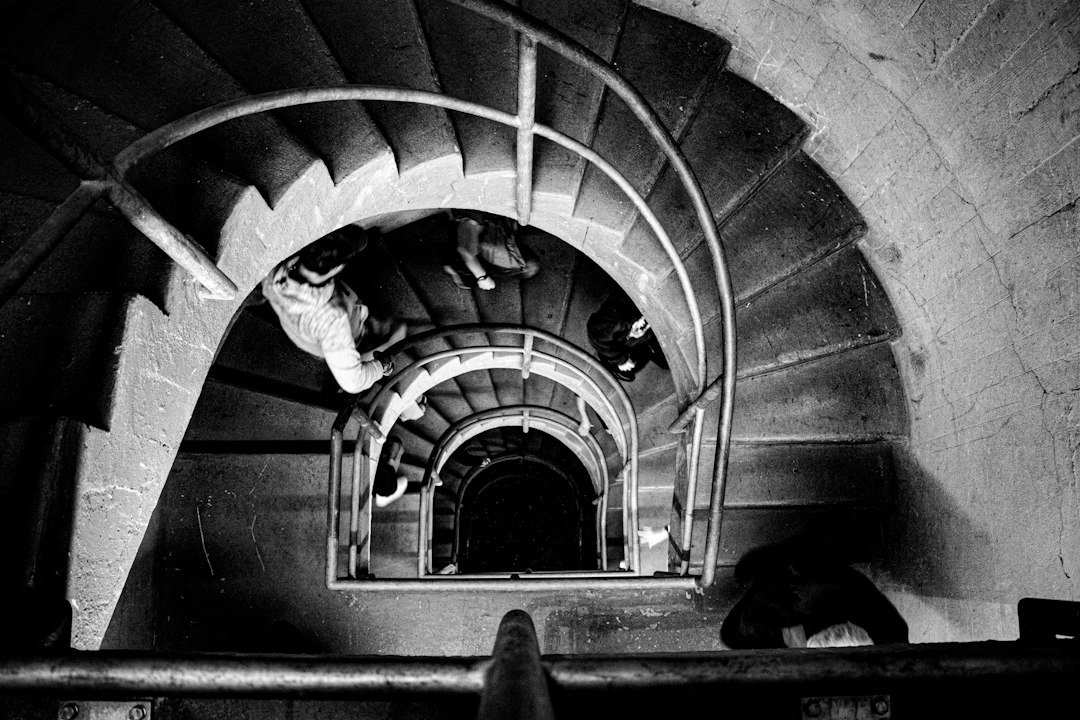
Exercise snacks, meaning brief bursts of vigorous activity spread through a sedentary day, are one of the better-supported health trends of the last few years. The strongest evidence is a large wearable-device cohort linking three or four one-minute bursts a day to substantially lower mortality, and a set of small randomised trials showing that stair-climbing snacks raise cardiorespiratory fitness in inactive people. What does not yet exist is a long-term randomised trial showing exercise snacks prevent heart attacks or extend life. The cohort data are associations, the trials are short and small, and the two kinds of evidence have not yet met in the middle.
What counts as an exercise snack
Definitions vary, which is one reason the literature is hard to pool. A 2025 systematic review in the British Journal of Sports Medicine defined exercise snacks as structured bouts lasting five minutes or less, performed at least twice daily, three or more times a week, for at least two weeks. The related term VILPA, vigorous intermittent lifestyle physical activity, describes the unstructured version: the burst of stairs, the run for the bus, carrying shopping fast. Both share the idea that intensity matters more than duration, and that the bursts are embedded in the day rather than scheduled as a workout.
The cohort evidence: short bursts and mortality
The study that made the concept famous was published in Nature Medicine in 2022 and is available in full on PubMed Central. Researchers used wrist accelerometer data from 25,241 UK Biobank participants who reported doing no leisure-time exercise, followed them for an average of 6.9 years, during which 852 died, and looked at how much vigorous activity showed up in their ordinary days. Compared with people who did none, those at the sample median of three length-standardised bouts a day, lasting one or two minutes each, showed a 38% to 40% lower all-cause and cancer mortality risk and a 48% to 49% lower cardiovascular mortality risk. The median total was about 4.4 minutes a day.
Those are large numbers, and they need the standard cohort caveats. This is observational: people who move vigorously in daily life may differ from those who do not in ways the adjustment did not capture, including underlying health. The accelerometer classified intensity by algorithm. And UK Biobank participants are healthier and wealthier than the general population. The finding is that brief vigorous movement is associated with lower mortality, not that it causes it. Still, the dose-response was near-linear, the sample was large, and the exposure was measured rather than self-reported, which puts it above most lifestyle epidemiology.
The trial evidence: fitness goes up
Randomised trials cannot yet speak to mortality, but they can measure fitness, and they do. The original “exercise snack” trial, published in 2019, assigned sedentary young adults to vigorously climb a three-flight, 60-step stairwell three times a day, separated by one to four hours, three days a week for six weeks, or to a non-training control, with 12 people in each group. Peak oxygen uptake was higher in the climbers afterwards, although the authors state the absolute increase was modest. Twenty-four people and six weeks is a pilot, not a verdict, but it showed the format was feasible for people who do not exercise.
The 2025 BJSM meta-analysis pooled what has accumulated since: 11 randomised trials with 414 participants, 69% women, mostly stair climbing in younger adults and strength or tai chi routines in older adults, over four to twelve weeks. It found moderate-certainty evidence that exercise snacks improved cardiorespiratory fitness in physically inactive adults. It also found that the current data do not support their effectiveness for improving other cardiometabolic markers such as blood pressure, blood lipids or body composition, and evidence on muscular endurance in older adults was limited. Adherence in the trials was high, which is itself a finding for a population that does not stick with gyms.
Why fitness matters, and why it is not the same as outcomes
Cardiorespiratory fitness is one of the strongest known predictors of mortality, so raising it is a reasonable proxy. But a proxy is what it is. No trial has followed exercise-snackers for years to count events, and the fitness gains in the trials are real but small. The optimistic reading connects the two evidence streams: cohorts show short bursts associate with lower mortality, trials show short bursts raise fitness, and fitness predicts mortality, so the mechanism is plausible. The sceptical reading is that the cohort effect sizes are implausibly large for four minutes a day and probably reflect residual confounding, while the trial effects are modest. Both readings are defensible with the current data.
What this means for a desk worker
For someone who sits eight hours and does no formal exercise, the evidence supports exercise snacks as a low-barrier way to raise fitness, with adherence rates in trials that traditional programmes rarely match. The specific protocols that have been tested are simple: a hard climb of three flights of stairs, three times a day, with hours between. That is achievable in most office or apartment buildings and needs no kit.
Two things the evidence does not support. First, exercise snacks are not shown to replace the volume of activity linked to offsetting long sitting hours; we covered that dose question in how much exercise offsets sitting all day. Second, they are not shown to change blood pressure, lipids or body fat over the trial durations studied. If those are your targets, snacks alone are not the answer on current evidence.
The word “vigorous” is also doing real work. The cohort associations and the trial fitness gains come from bouts hard enough to leave you breathing heavily. A gentle stroll to the kitchen is a sitting break, which has its own modest evidence, but it is not what these studies measured.
The bottom line
Genuinely promising, well suited to sedentary work, and cheaper than almost any alternative. The best data are observational cohorts with large associations and small fitness trials with modest effects. Long-term hard-outcome trials do not exist. Do the stairs; do not expect them to be a complete exercise programme.
Common questions
What is an exercise snack?
A brief, structured bout of moderate-to-vigorous activity, typically five minutes or less, done at least twice a day on most days. The most-studied form is climbing several flights of stairs hard, three times a day. The related term VILPA covers unplanned bursts like running for a bus. The key is intensity, not duration.
Do exercise snacks really reduce the risk of dying?
The evidence is an association, not a proven cause. A 2022 UK Biobank study of 25,241 non-exercisers found three or four one-to-two-minute vigorous bursts a day associated with 38% to 40% lower all-cause mortality over 6.9 years. That is observational and may reflect residual confounding. No randomised trial has tested mortality.
How many exercise snacks a day do you need?
Trials that improved fitness mostly used three bouts a day, three to seven days a week, for four to twelve weeks. The cohort study’s median was about three bouts totalling 4.4 minutes daily. There is no established optimum; the evidence suggests three hard bursts spread across the day is the tested dose.
Are exercise snacks as good as a proper workout?
Not on current evidence. A 2025 meta-analysis of 11 trials found they improve cardiorespiratory fitness in inactive adults with moderate certainty, but found no significant effect on blood pressure, lipids or body composition. They are a good starting point for people who do nothing, not a replacement for meeting activity guidelines.
Did this answer your question?
Thanks. That helps us decide what to fix.



Leave a comment