
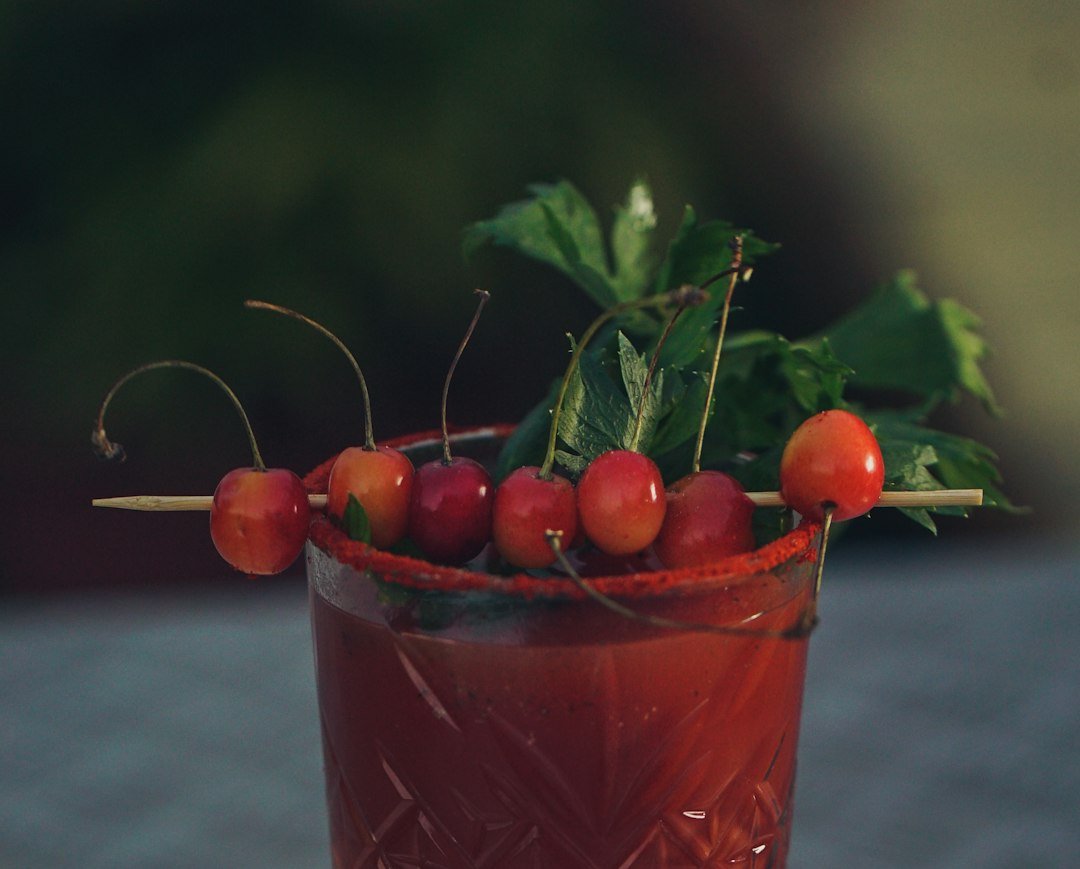
Tart cherry juice was a niche sports recovery drink until it became the base of the “sleepy girl mocktail”, mixed with magnesium powder and sparkling water and posted several million times. The claim is that cherries contain melatonin, so drinking them helps you sleep.
There is more research here than for most viral sleep remedies, and it is small, mixed and worth reading carefully, because the pooled result is not the one the trend implies.
The mechanism
Tart Montmorency cherries have been reported to contain high levels of phytochemicals including melatonin, a molecule critical in regulating the sleep-wake cycle in humans. They also contain anthocyanins and tryptophan, the amino acid precursor to serotonin and melatonin, which is the other proposed route.
The obvious question is dose. Supplemental melatonin tablets are sold in milligram amounts; the melatonin in cherries is measured in nanograms. If the drink works through melatonin, it is doing so at a dose far below anything tested in melatonin trials, which is a reason to look at the human results rather than the mechanism.
The two trials everyone cites
The first, in 2012, tested whether a tart cherry juice concentrate would increase the urinary melatonin levels in healthy adults and improve sleep quality. In 20 healthy volunteers over seven days, actigraphy registered an increase of around 15 minutes to time spent in bed, an increase of 25 minutes in total sleep time and a 5-6 per cent increase in sleep efficiency.
The second, in 2018, studied older adults with insomnia drinking 8 ounces twice a day for two weeks. It reported significant reductions in reported insomnia severity and the adults saved about 17 minutes of wake time after going to sleep, on average.
Both are small and short. The insomnia trial is sometimes quoted with dramatic single-night figures from sleep-lab recordings in a handful of older adults.
What happens when you pool them
A 2023 systematic review and meta-analysis is the most useful summary. It identified a total of 277 unique records, from which 8 studies of low-moderate methodological quality were included.
The pooled results split in an instructive way. Meta-analysis of subjectively recalled sleep efficiency and total sleep time were not significant. In other words, people did not reliably report sleeping longer or better. But objective sleep efficiency was significantly higher in the cherry cohort when compared to placebo with an effect size of 0.63, with no heterogeneity between studies.
So the machines detected a moderate improvement in the proportion of time in bed spent asleep, while the participants did not notice one. That is the opposite pattern to most sleep supplements, where subjective ratings improve and objective measures do not.
A 2025 systematic review reached a similarly hedged conclusion across seven interventional studies: three reported significant improvements in sleep indicators, three reported higher melatonin, and the authors concluded that the available evidence is still limited and heterogeneous, with large differences in dose, duration and populations.
What about the magnesium in the mocktail?
The viral recipe pairs cherry juice with magnesium powder. That is a separate question with its own literature, and the two have not been tested together as a combination in any trial we could find. Anyone claiming the mocktail as a whole is evidence-based is extrapolating from two separate, thin evidence bases.
Practical reading
The doses used in trials were substantial: either a concentrate diluted in water twice daily, or 240 mL twice a day. That is a lot of juice, which brings a lot of sugar. For someone watching calories or glucose, a nightly 480 mL of fruit juice is not a trivial addition, and no trial has weighed the sleep benefit against that.
If you want to try it, the honest framing is: a small, measured improvement in sleep efficiency that you probably will not feel, on low-quality evidence, with a meaningful sugar load. It is pleasant, it is not risky, and it is not a treatment for insomnia.
If you have persistent insomnia, the intervention with the strongest evidence is cognitive behavioural therapy for insomnia, which outperforms every consumable in this space.
This is not individual medical advice. Decisions about supplements, or about persistent sleep problems, belong with a clinician.
Common questions
Does tart cherry juice really help you sleep?
Pooled across eight studies, objectively measured sleep efficiency improved with a moderate effect size of 0.63, but subjective sleep efficiency and total sleep time did not reach significance. The trials are small and of low to moderate quality.
How much tart cherry juice should you drink for sleep?
Trials used either a concentrate diluted in water twice daily or 240 mL twice a day, typically for one to two weeks. That is a high sugar load for a nightly habit.
Is the sleepy girl mocktail evidence-based?
Its two ingredients have separate, thin evidence bases, and no trial has tested the combination. Claims for the drink as a whole go beyond what has been studied.
How long does tart cherry juice take to work?
The trials that reported effects ran seven to fourteen days of twice-daily intake, so any effect builds over days rather than appearing on the first night.
The bottom line
Tart cherry juice has a real if modest signal: better measured sleep efficiency in pooled trials, without a matching improvement in how people said they slept. It is a reasonable, harmless thing to try if you like the taste and can absorb the sugar, and it is nowhere near a treatment for insomnia.
Did this answer your question?
Thanks. That helps us decide what to fix.


Leave a comment