
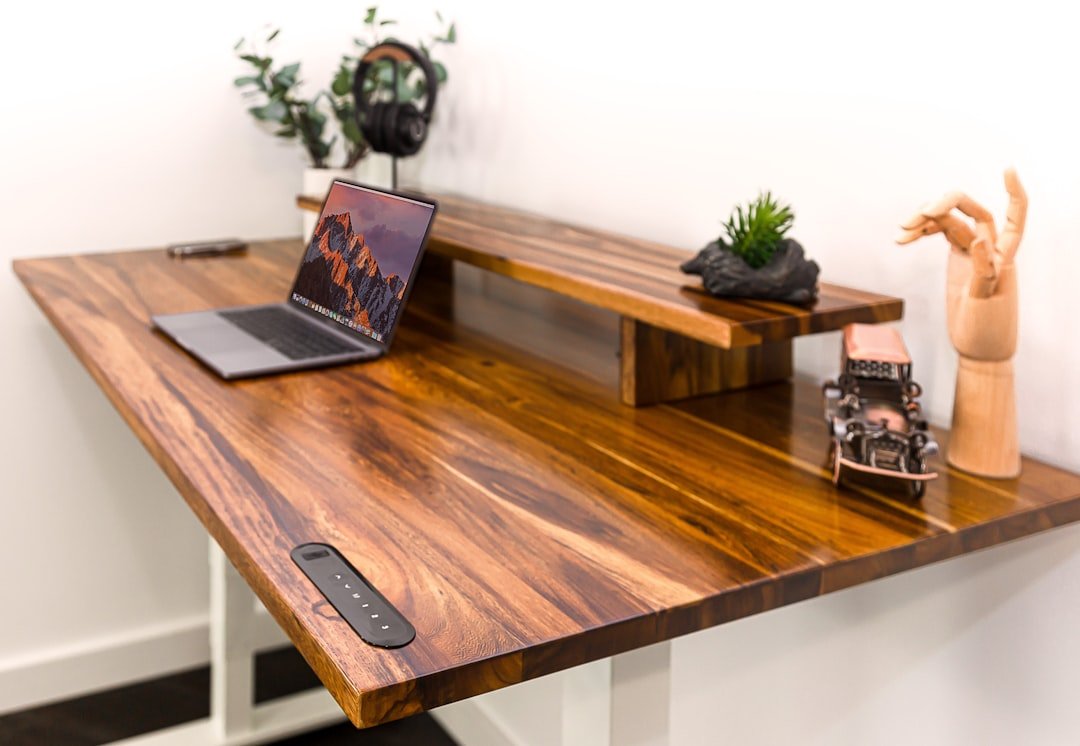
They reduce sitting by a measurable amount, the reduction appears to last longer than earlier evidence suggested, and the health benefit remains unproven. That last part has not changed. The first two have.
A Cochrane review found sit-stand desks reduced workplace sitting by about 100 minutes per workday in the short term, on low-quality evidence, with the effect roughly halving by the medium term. A 2025 systematic review tracking full-day sedentary behaviour found reductions of 68.7 minutes a day at three months, 77.7 at six months, and 62.1 at twelve. And a 2025 umbrella review in The Lancet Public Health, covering 36 systematic reviews and 214 unique primary studies, concluded that sit-to-stand workstations effectively reduce sedentary behaviour while noting that no workplace strategy consistently improves moderate-to-vigorous physical activity.
So: the behaviour change is real and more durable than we said. The outcome it is supposed to buy is still not established.
What the Cochrane review found
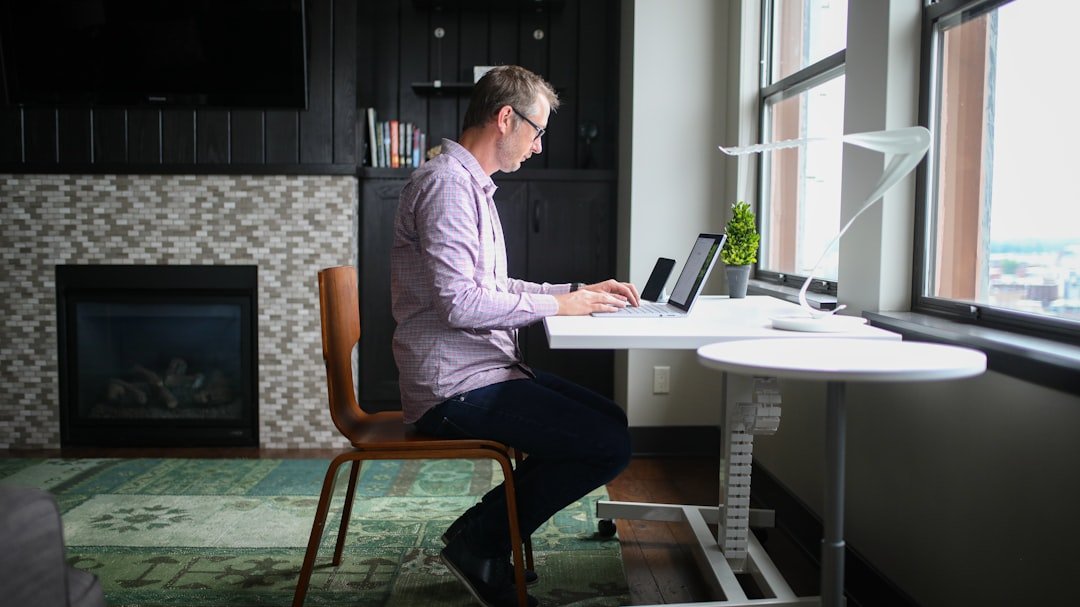
The reference point is a Cochrane review by Shrestha and colleagues on workplace interventions for reducing sitting at work, pooling randomised and non-randomised studies.
Sit-stand desks, alone or combined with information and counselling, reduced sitting at work by an average of 100 minutes per workday at short-term follow-up of up to three months, with a confidence interval from 84 to 116 minutes, across ten studies, graded low-quality evidence. At medium-term follow-up of three to twelve months, two studies pooled to an average reduction of 57 minutes per day.
Sitting also fell outside work, by an average of 82 minutes a day across two studies, and long sitting bouts of 30 minutes or more fell by 53 minutes a day, that last figure graded very low-quality evidence.
The review’s own summary was that sit-stand desks may reduce sitting in the first year of use but the effects are likely to reduce with time, and that there is no evidence on effects over longer follow-up periods.
Low-quality is a technical grade, not editorial dismissal. It means the reviewers have limited confidence the true effect resembles the estimate, and the review says why: limitations in study protocols and small sample sizes.
What newer evidence changed
The original version of this article ended on the fading effect. That conclusion has aged.
A 2025 systematic review by Silva and colleagues gathered evidence on sit-stand desk interventions and full-day sedentary behaviour, searching studies published between January 2008 and January 2024 and assessing quality with a formal appraisal tool.
Across twelve included studies, the intervention group experienced average reductions in full-day sedentary behaviour of 68.7 minutes a day at three months, 77.7 minutes at six months, and 62.1 minutes at twelve months compared with control.
Read the shape of that. The reduction at twelve months is close to the reduction at three. It does not describe an effect that decays away, and it measures full-day behaviour rather than workplace sitting alone, which addresses a common objection that people simply sit more once they get home.
The 2025 umbrella review in The Lancet Public Health00038-6/fulltext) sits a level above both. It searched six databases for systematic reviews and meta-analyses published between 2000 and May 2024 evaluating workplace interventions targeting sedentary behaviour or physical activity, and included 36 systematic reviews and meta-analyses covering 214 unique primary studies.
Its finding: some strategies, including sit-to-stand workstations and gamified interventions, effectively reduce sedentary behaviour and encourage lighter forms of physical activity, but none consistently improves moderate-to-vigorous physical activity.
The question still unanswered
That last clause is the one to hold onto, and it is why this article’s conclusion has not flipped.
Every finding above is about behaviour. Minutes sat, minutes stood, sedentary time reduced. None of it is a health outcome. The umbrella review’s specific negative, that no strategy consistently improves moderate-to-vigorous physical activity, matters because that is the activity category most strongly tied to health outcomes in the wider literature. Reducing sitting and increasing vigorous activity are not the same intervention, and workplace strategies appear to do the first without the second.
The Cochrane review also found no clear effect on musculoskeletal symptoms or workplace performance. If you bought a standing desk expecting your back to stop hurting or your afternoons to sharpen, that expectation still lacks support. It is worth knowing that whether sitting causes back pain at all is separately contested, and that the evidence on ergonomic equipment generally is thinner than the market implies.
On the other side, standing more did not produce harmful effects in the studies, including musculoskeletal pain, varicose veins or reduced productivity. The common counter-argument that standing just trades one problem for another is also unsupported.
What about other approaches

Walking strategies had no effect on workplace sitting in the Cochrane review. Treadmill desks and taking a walk during breaks had insufficient evidence to draw conclusions. Combining multiple interventions produced significant but heterogeneous effects across three studies, graded very low-quality.
If the goal is simply moving more often rather than standing more, how often you should get up is a separate question with its own evidence.
Common questions
Do standing desks actually reduce sitting?
Yes, by a measurable amount, and for longer than earlier evidence suggested. A Cochrane review found sit-stand desks reduced workplace sitting by about 100 minutes per workday at short-term follow-up across ten studies, graded low-quality evidence, falling to 57 minutes at medium term. A 2025 systematic review of twelve studies tracking full-day sedentary behaviour found reductions of 68.7 minutes a day at three months, 77.7 at six months and 62.1 at twelve months versus control. A 2025 umbrella review covering 214 primary studies concluded sit-to-stand workstations effectively reduce sedentary behaviour and encourage lighter physical activity.
Does the effect fade over time?
The picture has changed on this. The Cochrane review reported a smaller medium-term effect and stated that effects are likely to reduce with time, with no evidence beyond a year. A 2025 systematic review measuring full-day sedentary behaviour found reductions of 68.7 minutes a day at three months and 62.1 minutes at twelve months, which is close to flat rather than decaying. Those are different measures, workplace sitting versus full-day behaviour, so they are not in direct contradiction. But the claim that the benefit washes out within a year is no longer well supported.
Will a standing desk make me healthier?
That has not been shown, and it is the question the research keeps not answering. Every finding here concerns behaviour: minutes sat, sedentary time reduced. The 2025 umbrella review of 36 reviews and 214 primary studies found that while sit-to-stand workstations reduce sedentary behaviour and encourage lighter activity, no strategy consistently improves moderate-to-vigorous physical activity, which is the category most tied to health outcomes. The Cochrane review separately found no clear effect on musculoskeletal symptoms or workplace performance. Standing more also produced no harmful effects in the studies. If you have persistent pain, see a doctor rather than change furniture.
Is a treadmill desk better?
The evidence cannot say. The Cochrane review reports that interventions such as taking a walk during breaks and using treadmill desks had insufficient evidence to draw conclusions, and that walking strategies specifically had no effect on workplace sitting. The 2025 umbrella review found that no workplace strategy consistently improved moderate-to-vigorous physical activity, which limits how much any of these can be expected to deliver. This site has tested no products and names none, and the honest position is that the comparison you are asking about has not been made.
A behaviour change with a durable effect and an unproven purpose
What has changed since this article was first written is worth stating plainly, because it cuts against the original conclusion.
The older evidence suggested the effect faded. Newer work tracking full-day sedentary behaviour to twelve months does not show that, and an umbrella review of 214 studies confirms sit-to-stand workstations reduce sedentary behaviour. So the behaviour change is real and appears reasonably durable, which is more than most workplace interventions manage.
What has not changed is the gap between that and a health claim. No clear effect on musculoskeletal symptoms. No clear effect on performance. And an umbrella review noting that none of these strategies consistently improves the kind of activity most tied to health outcomes.
None of which means do not buy one. It means the honest reason to buy one is that you would rather stand sometimes, and that reason has never needed research behind it.
Did this answer your question?
Thanks. That helps us decide what to fix.



Leave a comment