
Desk & Gadgets
Chairs, standing desks, monitor arms, keyboards and the rest of the hardware sold on the promise of a healthier working day. This pillar is mostly about telling the two apart: the changes that measurably alter how a day at a screen feels, and the ones that are expensive placebos with good marketing. Most of this category is sold on claims that were never tested, so the work here is separating what the evidence supports from what the product page asserts. Where a claim rests on a single small trial, or on no trial at all, that gets said plainly rather than smoothed over.
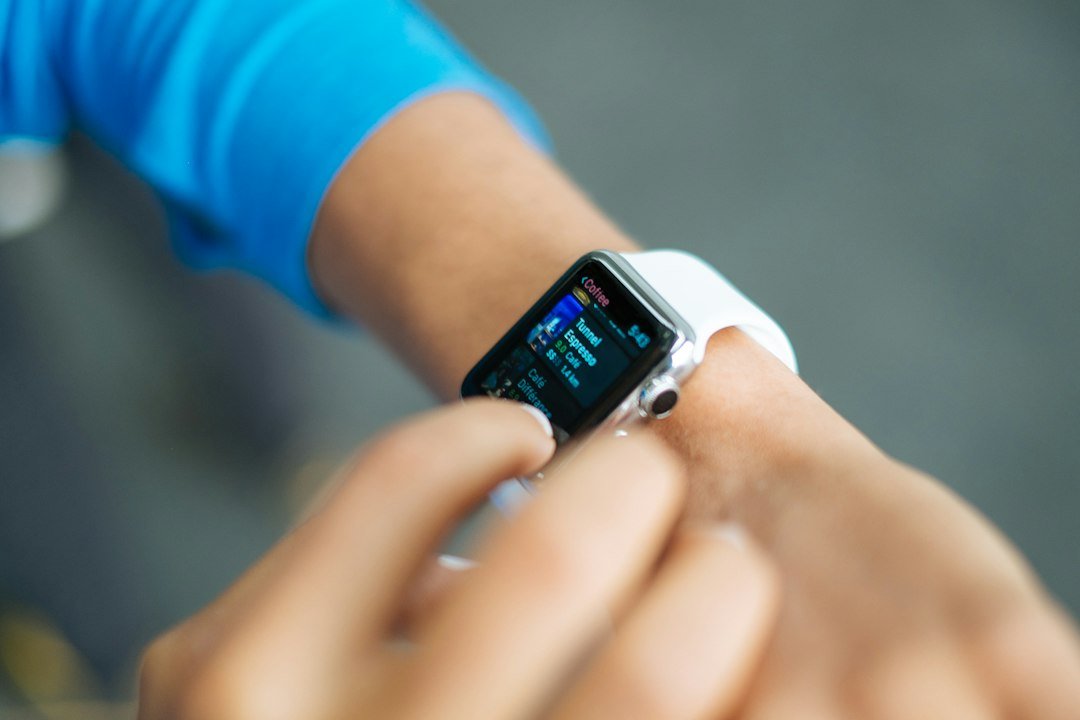
Apple Watch Health Age: can a watch tell you how old your body is?
Apple has joined WHOOP and Oura in turning your wearable data into a single “age”. Health Age, announced alongside Apple Watch Series 12, will tell you…

Laptop ergonomics: do laptop stands actually help?
A laptop stand is one of the few desk gadgets whose benefit can be measured with a protractor. Raise the screen and the angle of your…

Do Weighted Blankets Actually Help You Sleep?
The best trial is genuinely good and genuinely striking. It was also in psychiatric patients, and the number it produced is the kind that needs replicating.

Does Red Light Therapy Work for Sleep and Focus?
Red light has genuine clinical uses. The ones a desk worker is buying a panel for are the ones with the least evidence behind them.

Do posture correctors work, or is forward head posture overblamed?
Posture correctors are a large and growing category: elastic braces, clavicle straps, vibrating sensors that buzz when you slump. They sell against an intuitive story, which…
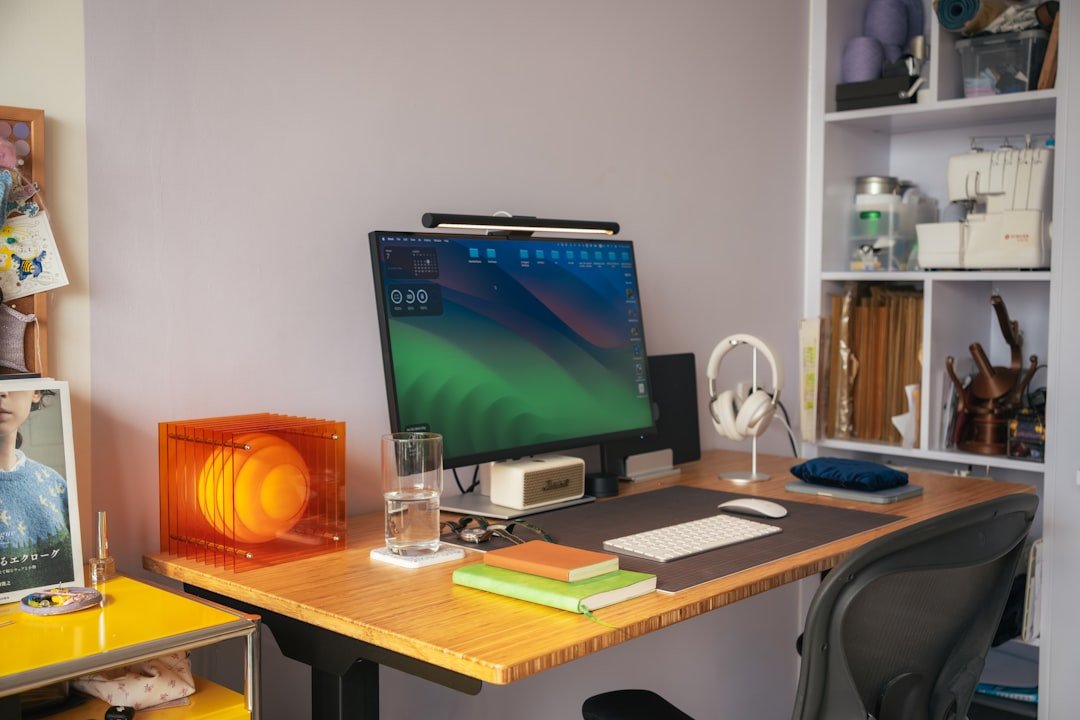
Do monitor light bars reduce eye strain?
Monitor light bars clip onto the top of your screen and shine light down onto the desk while, in theory, keeping it off the display. The…

Is Tech Neck Real, or Just a Good Story?
Neck pain in screen workers is common and real. The specific claim that looking down at a phone causes it has held up worse than a…

Do Grounding Sheets Actually Do Anything?
Searches for silver grounding sheets are up 3,122 per cent. The research behind them is small, unblinded, and written by people with a stake in the…
Does the 20-20-20 rule actually help eye strain?
Every article about screen fatigue reaches the same advice: every 20 minutes, look at something 20 feet away for 20 seconds. It is memorable, free and…
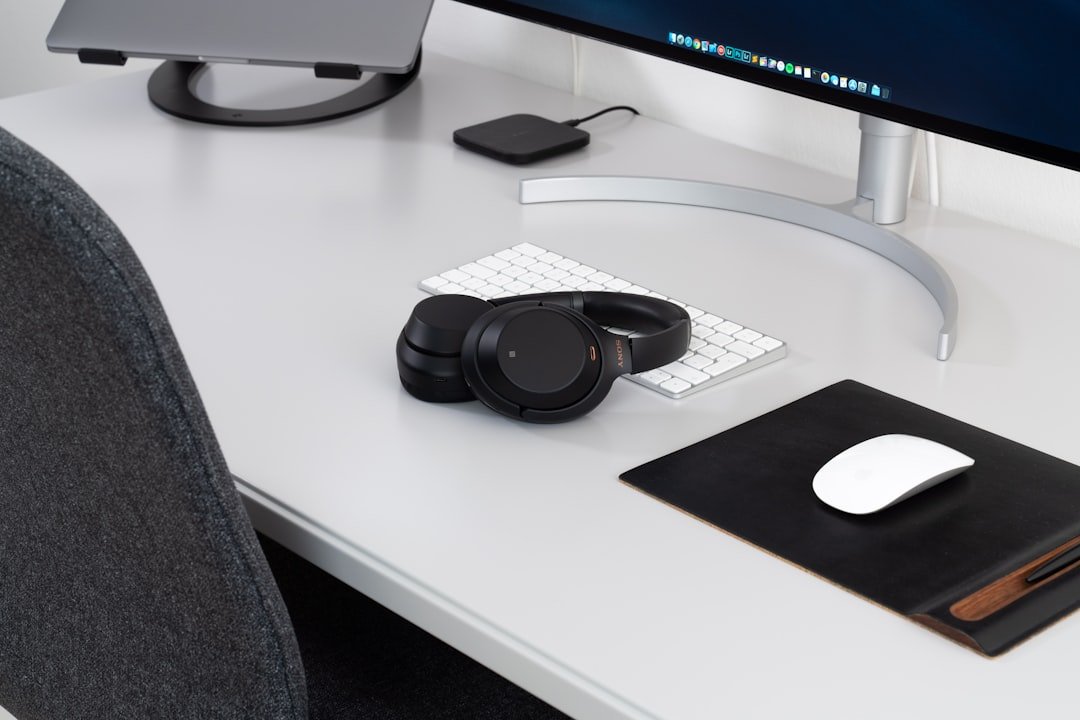
Do vertical mice prevent wrist pain? Better posture yes, less pain unproven
A standard mouse makes you rotate your forearm so your palm faces the desk, a position called pronation. A vertical mouse tilts your hand into a…

Do Walking Pads Actually Work? What the Treadmill Desk Trials Found
The research on walking while working is older than the walking pad, was run on a different machine, and its senior author once took royalties from…

Do brain-sensing headphones and EEG headbands actually improve focus?
A new class of gadget wants to sit on your head while you work. Headphones with EEG sensors in the ear pads promise a live “focus…
Browse by subject
Tags cut across the four pillars, so a subject can be followed wherever it turns up.
AI Tools Beginner Friendly Blue Light Burnout Buying Guide Caffeine Ergonomic Chairs Explainer How-To Monitor Arms Posture Remote Work Screen Time Sleep Tracking Standing Desks
How these articles get written
Every claim is traceable to a named source, and where the evidence is thin that gets said rather than smoothed over. Read the research standards to see what a claim has to clear, or read about TorpidLife.