
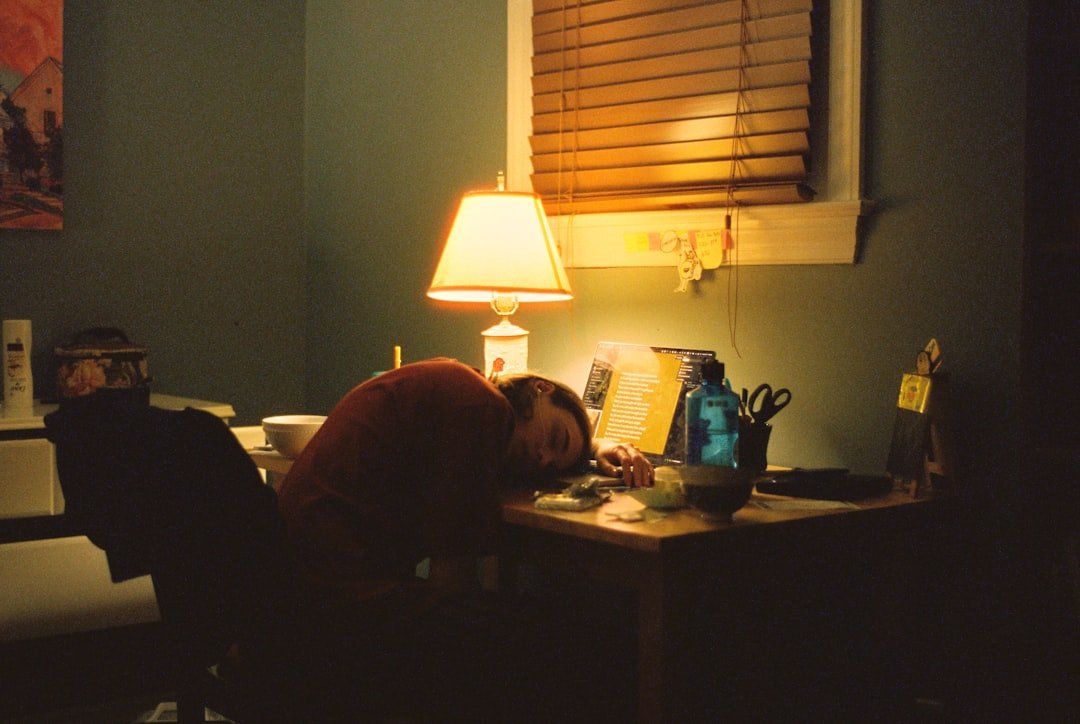
Yes, modestly, and two questions the original version of this article could not answer now have answers. A meta-analysis of 11 studies and 381 working-aged adults found cognitive performance improved after a daytime nap, with an overall effect size of 0.18 and a stronger effect for alertness at 0.29, lasting until about 120 minutes after waking.
The same analysis found that duration of nap did not influence cognitive performance, and that early afternoon naps gave better results. And a separate polysomnography study found sleep inertia, the grogginess after waking, was observed for 30 to 60 minute naps but resolved within 30 minutes of waking.
What the meta-analysis found
The reference is a 2021 systematic review and meta-analysis in the International Journal of Environmental Research and Public Health by Dutheil and colleagues, motivated explicitly by the debate about napping in the workplace. It searched four databases to August 2021.
It included 11 studies covering 381 working-aged adults, analysing performance by time and by type of cognitive function, split into alertness, executive function and memory. Mean nap duration across the studies was 55.4 minutes, with a standard deviation of 29.4.
Cognitive performance did not differ at baseline between nap and no-nap groups, and improved afterwards, with an overall effect size of 0.18 and a confidence interval from 0.09 to 0.27. Alertness showed the strongest improvement at 0.29, from 0.10 to 0.48. Sensitivity analyses gave similar results when restricted to randomised controlled trials and after excluding outliers.
Those are small effect sizes. A confidence interval from 0.09 to 0.27 is a real effect and a modest one.
Timing matters, duration apparently does not
This is where the revision changes the article.
The meta-analysis reports that whatever model was used, performance mainly improved until 120 minutes after the nap. Two hours of benefit, then it fades.
It also reports two moderator findings the original version of this article did not have. Early naps in the afternoon, before 1pm, gave better cognitive performance. And duration of nap and time between nap and testing did not influence cognitive performance. The benefits were independent of sex and age.
The first version of this article declined to give a duration because the source packet contained no agreed figure. That was the right call for the wrong reason. The meta-analysis had tested duration and found it did not matter, which is a better answer than silence: the question people ask most is apparently not the variable that matters.
The grogginess question, now answerable

The meta-analysis found conflicting results during the sleep inertia period, and the original version of this article had to leave that unresolved. It is the question people actually ask.
A polysomnography study of 32 young adults following short habitual sleep tested four conditions in randomised order: wake, and naps of 10, 30 and 60 minutes, each verified with polysomnography rather than self-report. A test battery ran at baseline and at 5, 30, 60 and 240 minutes after the nap.
Its findings: naps ranging from 10 to 60 minutes increased positive mood and alleviated subjective sleepiness up to 240 minutes after the nap. Compared with staying awake, only naps of 30 minutes improved memory encoding. Improvements for vigilance were moderate.
And the answer to the grogginess question: sleep inertia was observed for the 30 to 60 minute naps but was resolved within 30 minutes after waking.
So inertia is real, it attaches to longer naps, and it is temporary. That is a considerably more useful answer than conflicting results, and it is new to this version.
What this does not cover
The meta-analysis included 11 studies all in laboratory conditions, with one having a subgroup in working conditions. Its authors conclude that daytime napping in the afternoon improved cognitive performance with beneficial effects of an early nap, and that more studies in real work conditions are warranted before implementing daytime napping at work as a preventive measure to improve work efficiency.
The polysomnography study used 32 young adults following short habitual sleep, which is a specific population.
Nobody has established that any of this transfers to an actual job.
When tiredness is not a napping question

If you are reaching for a nap most days, that is worth thinking about separately from whether naps work.
Persistent daytime sleepiness has causes a nap does not address and can mask: sleep apnoea, insomnia, thyroid and iron problems, depression, medication effects, and shift work disorder among them. Snoring with daytime sleepiness in particular is worth raising with a doctor.
This article is about whether a nap improves measured cognitive performance in laboratory studies. It is not sleep advice. If your sleep is bad enough that you are managing it during the day, that belongs with a clinician, and the same applies to catching up at weekends.
Common questions
How much does a nap actually help?
Measurably, and less than the practice’s reputation suggests. A 2021 meta-analysis of 11 studies covering 381 working-aged adults found cognitive performance improved in the nap group after napping, with an overall effect size of 0.18 and a confidence interval from 0.09 to 0.27. Alertness improved most, at 0.29 with an interval from 0.10 to 0.48. Groups did not differ at baseline, and sensitivity analyses restricted to randomised controlled trials gave similar results. The benefits were independent of sex and age. Those are small effects, and all but one of the included studies were in laboratory conditions.
How long should the nap be?
The meta-analysis tested this and found duration of nap did not influence cognitive performance, nor did the time between nap and testing. What did matter was timing of day: early naps in the afternoon, before 1pm, gave better cognitive performance. A separate polysomnography study of 32 adults comparing 10, 30 and 60 minute naps found that naps across that whole range increased positive mood and alleviated sleepiness up to 240 minutes afterwards, while only 30 minute naps improved memory encoding compared with staying awake. So the evidence points at when rather than how long, with one memory-specific exception.
Will a nap leave me groggy?
Briefly, for longer naps, and it passes. The 2021 meta-analysis reported conflicting results during the sleep inertia period and could not resolve it. A polysomnography study of 32 young adults comparing 10, 30 and 60 minute naps found sleep inertia was observed for the 30 to 60 minute naps but was resolved within 30 minutes after waking. Naps across the 10 to 60 minute range increased positive mood and alleviated subjective sleepiness up to 240 minutes after the nap. So the grogginess is real for longer naps, temporary, and does not appear to cancel the benefit.
Should my employer let me nap at work?
The researchers were careful not to say so. The meta-analysis concluded that daytime napping in the afternoon improved cognitive performance with beneficial effects of an early nap, and that more studies in real work conditions are warranted before implementing daytime napping at work as a preventive measure to improve work efficiency. Of its 11 included studies, all were in laboratory conditions, with one including a subgroup in working conditions. So the effect has been demonstrated on cognitive tests in a lab, at a small effect size, and transfer to actual job performance has not been established.
A small, short, real thing
What is unusual about the napping literature is how modest the researchers are compared with everyone who cites them.
The measured picture is an effect size of 0.18 overall, 0.29 for alertness, lasting about two hours, in laboratory studies whose authors say more work in real conditions is needed before anyone builds workplace policy on it. That is a real finding and a small one.
What this revision adds is that two of the practical questions now have answers, and both are mildly counterintuitive. Duration did not affect cognitive performance, which means the twenty-minute rule everyone repeats is not tracking the variable that matters. Time of day did, with early afternoon better. And the grogginess that puts people off is real for longer naps and gone within half an hour.
Which leaves the practical situation better defined than before. A nap will likely buy a couple of hours of somewhat better alertness, the length matters less than you think, earlier is better, and if you take a longer one you will feel rough for up to half an hour and then not. If you need one most days, the interesting question is still not how long to nap, and what one bad night costs you is a better place to start than whether a sleep tracker helps.
Did this answer your question?
Thanks. That helps us decide what to fix.



Leave a comment