

The interesting difference between matcha and coffee is not the caffeine. It is an amino acid in tea called L-theanine, and the claim that theanine plus caffeine produces calmer, steadier attention than caffeine alone has better evidence behind it than most things sold on wellness grounds.
The evidence is also narrow. A meta-analysis of 11 randomised placebo-controlled studies found moderate effect sizes favouring the combination in the first two hours after a dose, on self-rated alertness and on accuracy when switching between tasks. Those are real but specific outcomes over a short window, mostly measured with isolated compounds at controlled doses rather than with a cup of tea. And the most recent and largest review of the question includes co-authors from a tea company and a consumer goods manufacturer, which is a fact a reader should have.
What theanine is
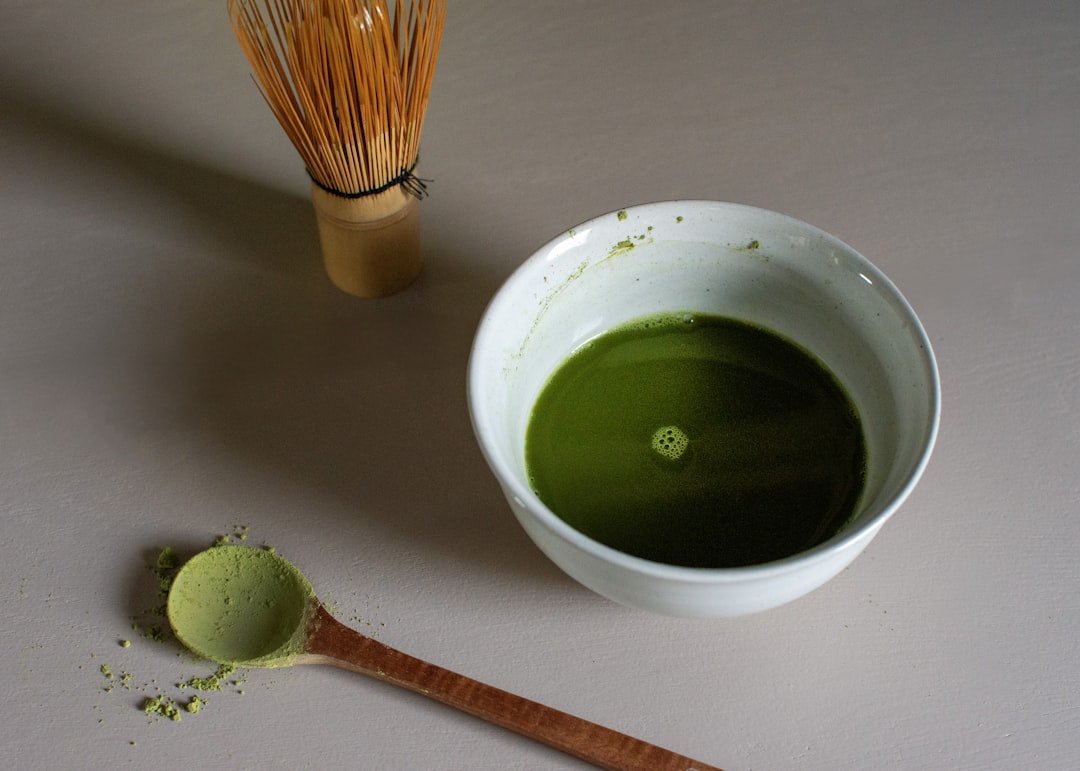
L-theanine is an amino acid found in the tea plant. Matcha, made from ground whole tea leaves, delivers more of it per serving than most steeped teas, along with caffeine. Coffee delivers caffeine and essentially no theanine.
The proposed mechanism is not that theanine sharpens attention on its own but that it modifies what caffeine does. Caffeine works by blocking adenosine receptors, which raises alertness and, at higher doses, jitteriness and anxiety. The suggested synergy is that theanine takes the edge off those stress components, leaving the alerting effect with less of the tension. That is a mechanism the reviews describe as an assumption, not a demonstrated pathway.
What the pooled trials found

The 2014 meta-analysis in Nutrition Reviews pooled 11 randomised placebo-controlled human studies of acute effects, examining theanine and a green tea catechin, alone and combined with caffeine. Mood outcomes were alertness, calmness and contentedness from an established scale, plus state anxiety. Cognitive outcomes were attentional switching, intersensory attention and rapid visual information processing.
The finding: evidence of moderate effect sizes in favour of combined caffeine and theanine in the first two hours after the dose, for alertness and attentional switching accuracy, and to a lesser extent for some other measures.
Note the qualifiers. Acute effects. First two hours. Moderate effect sizes on two measures out of several. This is not a claim about how you feel at four in the afternoon or about anything cumulative.
A 2025 meta-analysis of theanine alone, registered in advance and using the Cochrane risk of bias tool, examined five randomised trials in 148 healthy adults. It reported a dose-dependent effect on cognitive function based on visual information processing and reaction time measures. Its title is the fairest summary of the field anyone has written: promising, but not completely conclusive.
The funding disclosure
Section 4 of this site’s standards requires disclosure of relationships that could bear on a finding.
The most recent and broadest review, a 2025 systematic review and meta-analysis in Nutrition Reviews covering tea, theanine and theanine plus caffeine on cognition, sleep and mood, was written by a team based at a Scottish university research institute together with co-authors listed at a tea company and at a consumer goods company’s foods innovation centre.
That does not make its results wrong, and industry involvement in nutrition research is common enough that excluding it would leave little literature. But when a review of whether tea helps you concentrate is co-authored by people who sell tea, the reader is entitled to know before weighing the conclusion. The pattern this site has found repeatedly, most recently with magnesium and grounding sheets, is that funding rarely fabricates a result and often shapes which questions get asked.
How this compares with plain caffeine
This is where the comparison gets less flattering to both drinks. This site has already covered whether caffeine improves focus or fixes withdrawal, where a 2025 meta-analysis found the acute attention benefit was not related to habitual consumption, meaning the withdrawal-reversal explanation did not hold up as the whole story. It has also covered coffee timing and cortisol.
Against that background, the theanine question is narrower than the marketing suggests. Both drinks deliver caffeine, and caffeine is doing most of the work in both. The theanine literature is asking whether the accompanying compound smooths the experience, and the answer appears to be a qualified yes for a couple of hours on a couple of measures.
Two things nobody has established. No study reviewed here compared a cup of matcha against a cup of coffee head to head in a working adult over a normal day. And matcha’s caffeine content varies widely with preparation, so “matcha versus coffee” is not a fixed comparison in the first place.
The shortfall pattern does not apply here
Worth noting what makes this different from most supplement questions on this site. With creatine and the brain, multivitamins and energy, vitamin D and iron, the recurring finding was that effects appeared where there was a shortfall to correct rather than general enhancement. Theanine is not a nutrient anyone is deficient in. The claim here is a genuine pharmacological interaction, tested acutely, which is a cleaner kind of claim even when the evidence is thin.
Where this belongs with a clinician
Caffeine affects heart rhythm, blood pressure, anxiety and sleep, and interacts with several medications. Anyone with an arrhythmia, an anxiety disorder, uncontrolled high blood pressure, or who is pregnant should follow medical advice on caffeine rather than a comparison article. Theanine is sold as a supplement, and supplement quality and interactions are a question for a pharmacist or doctor.
This article names no dose, no product and no daily quantity. The trials used isolated compounds in controlled amounts that do not map onto a drink you make at home.
Common questions

Is matcha better than coffee for focus?
No study reviewed here compared them directly in working adults. What exists is evidence about theanine, the amino acid in tea that coffee lacks. A meta-analysis of 11 randomised placebo-controlled studies found moderate effect sizes favouring combined caffeine and theanine in the first two hours after a dose, for self-rated alertness and attentional switching accuracy. That supports a difference in the character of the effect, not a general superiority.
Does L-theanine actually do anything?
Some, and the field’s own verdict is cautious. A 2025 meta-analysis of five randomised trials in 148 healthy adults found a dose-dependent effect on visual information processing and reaction time measures, and titled itself “promising, but not completely conclusive”. Most of the stronger findings involve theanine combined with caffeine rather than theanine alone, and the synergy mechanism is described in the literature as an assumption rather than an established pathway.
Will matcha stop the caffeine jitters?
The proposed mechanism is that theanine moderates the anxiety and tension components of caffeine’s effect, which is why combination studies measure calmness alongside alertness. The pooled evidence supports moderate short-term effects on alertness and attention switching; the evidence for reduced jitteriness specifically is weaker. Caffeine content in matcha also varies with preparation, so the comparison is not fixed.
Who should be careful with either drink?
Caffeine affects heart rhythm, blood pressure, anxiety and sleep and interacts with several medications. Anyone with an arrhythmia, an anxiety disorder, uncontrolled hypertension, or who is pregnant should follow medical advice rather than general comparisons. Theanine supplements raise separate questions about product quality and interactions that a pharmacist or doctor can answer.
A real difference, oversold
Tea folklore is mostly folklore, and this is the part of it with actual trials behind it. Theanine plus caffeine does something measurable that caffeine alone does not, in the first couple of hours, on alertness and task switching.
What it does not do is make matcha a different category of drink from coffee. Both are caffeine delivery systems, the theanine effect is modest and short, the head-to-head study nobody has run is the one that would answer the question in the search box, and the newest review of the whole area was co-written by the industry that sells the leaves. Pick the one you prefer drinking. The evidence does not settle it for you.
Did this answer your question?
Thanks. That helps us decide what to fix.


Leave a comment