
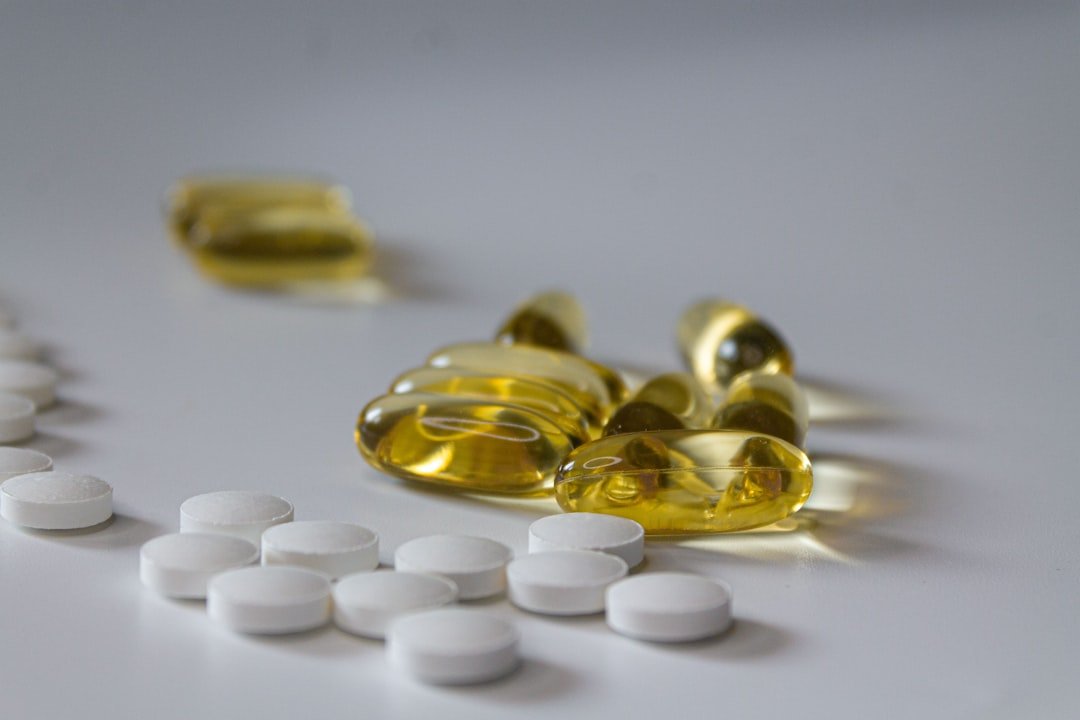
Small effects on some things, nothing on others, and a moderator finding that explains the pattern better than the headline does.
A meta-analysis of eight randomised placebo-controlled trials found that multivitamin and mineral supplementation reduced perceived stress with a standardised mean difference of 0.35, mild psychiatric symptoms at 0.30, and anxiety at 0.32. It also increased energy and reduced fatigue. Of the three trials measuring subclinical depression, none found a significant effect.
The part that matters most is underneath: the benefits were larger when supplements contained higher B vitamin content, and were modulated by participants’ B6 status. That is a finding about who was short of something, not about what supplements do in general.
What the meta-analysis found

The analysis is Long and Benton’s 2013 paper in Psychosomatic Medicine, evaluating the influence of diet supplementation on mood in nonclinical samples.
Its inclusion criteria required randomised, placebo-controlled studies considering stress, mild psychiatric symptoms or mood in the general population, evaluating multivitamin and mineral supplements taken for at least 28 days. Eight studies met those criteria.
The pooled results: supplementation reduced perceived stress at a standardised mean difference of 0.35, mild psychiatric symptoms at 0.30, and anxiety at 0.32, all at p equals 0.001 or below.
Six studies evaluated general mild psychiatric symptoms, of which five reported a positive effect, across a pooled sample of 1,034 participants. Anxiety was significant in two of four individual studies but significant when pooled across 603 participants. Supplementation significantly increased energy across 992 participants.
Of the three trials reporting subclinical depression, none found a significant effect.
Those are small effect sizes. A standardised mean difference of 0.35 for stress is a real pooled effect and not a transformation.
The moderator finding

The authors’ framing of why any of this happens is more interesting than the effect sizes, and it appears twice in the literature.
Writing in the paper, they note it is difficult to avoid the conclusion that the diets of the samples in the studies evaluated did not provide optimal nutrition. They observe a greater response to supplements offering doses higher than recommended daily allowances, which they say calls into question whether those allowances adequately meet the needs of the brain.
A later paper describing their results puts the moderator explicitly: the positive effects on stress, anxiety and mild psychiatric symptoms, but not depression, were greater when the supplement contained a higher B vitamin content, and the benefits of multivitamin supplementation for mood were modulated by the B6 status of participants.
If the effect tracks how much B vitamin the supplement contained and how B6-replete the participants already were, then what is being measured looks a great deal like correcting a shortfall in specific people rather than a general benefit. That is the same shape as vitamin D and fatigue, where the finding holds in people who were measured as deficient and says nothing about anyone else.
What a recent trial found

A 2024 randomised, double-blind, placebo-controlled trial took a different population and a longer duration: 228 adults over 70, supplemented for 12 weeks, with outcomes covering wellbeing, mood, memory, physical health and activity, and social interaction and loneliness.
Its primary outcome came out null. Supplementation had no effect on wellbeing, in either males or females.
Several secondary outcomes moved. Females showed increased feelings of friendliness. Males showed lower prolonged stress reactivity, lower overall stress reactivity, and lower emotional loneliness.
A null primary outcome with scattered significant secondary outcomes, split by sex, warrants caution rather than enthusiasm. It is also a different population from the meta-analysis, being over-70s rather than working-age adults.
What the study base looks like

One structural point, noted in a study reviewing this literature: with one exception, previous multivitamin mood studies have all been shorter than 90 days, and the majority have predominantly used male participants, a fact also highlighted in the meta-analysis itself.
Participants were mostly university students or fully employed members of the general public, with some studies specifically recruiting people with pre-existing high stress or occasional subjective fatigue.
Short trials, male-skewed samples, and in some cases populations selected for already feeling stressed or tired. None of that invalidates the pooled effects. It does mean the evidence is narrower than the size of the supplement market implies, which is also true of omega-3 supplements and creatine.
Where this belongs with a doctor
This article reports what trials measured. It contains no doses, no brands and no recommendation to take or avoid anything.
Multivitamins are not uniformly harmless. Some contain fat-soluble vitamins that accumulate, some interact with medication, and doses above recommended allowances are exactly what the meta-analysis found the larger responses to, which is a reason for care rather than enthusiasm. If you are pregnant, take regular medication, or have a condition affecting how you absorb or process nutrients, whether to supplement is a question for a doctor or pharmacist.
More importantly, persistent fatigue deserves investigation rather than supplementation. Anaemia, thyroid problems, sleep disorders, depression and several other treatable conditions present as being tired all the time, and a supplement producing a small pooled effect on fatigue scores is not a substitute for finding out why you are tired.
Common questions
Do multivitamins help with tiredness?
There is a small pooled effect. A meta-analysis of eight randomised placebo-controlled trials, all lasting at least 28 days in general population samples, found supplementation significantly increased energy across 992 participants, alongside reductions in perceived stress at a standardised mean difference of 0.35, mild psychiatric symptoms at 0.30 and anxiety at 0.32. Of the three trials measuring subclinical depression, none found a significant effect. Those are small effects from short trials. Persistent fatigue has many treatable causes and is worth investigating with a doctor rather than supplementing at.
Why would a supplement affect stress at all?
The moderator findings are the best answer. The effects were greater when the supplement contained a higher B vitamin content, and the benefits for mood were modulated by participants’ B6 status. The authors also wrote that it is difficult to avoid the conclusion that the diets of the samples studied did not provide optimal nutrition, and noted a greater response to supplements offering doses higher than recommended daily allowances, which they said calls into question whether those allowances meet the needs of the brain. In other words the effect may reflect correcting inadequate intake in particular participants rather than a general benefit.
Is the evidence any good?
Mixed, and narrower than the market. The meta-analysis pooled eight studies meeting its criteria. A study reviewing this literature notes that with one exception all previous multivitamin mood studies have been shorter than 90 days, and that the majority have predominantly used male participants, a point the meta-analysis itself highlights. Participants were mostly students or employed members of the general public, with some studies recruiting people with pre-existing high stress or fatigue. Separately, a 2024 randomised placebo-controlled trial of 228 adults over 70, supplemented for 12 weeks, found no effect on its primary outcome of wellbeing, with scattered significant secondary outcomes differing by sex.
Should I take one just in case?
This article gives no recommendation and no doses. Multivitamins are not uniformly harmless: some contain fat-soluble vitamins that accumulate, some interact with medication, and the meta-analysis specifically found larger responses to doses above recommended allowances, which is a reason for care rather than reassurance. If you are pregnant, take regular medication, or have a condition affecting nutrient absorption, that decision belongs with a doctor or pharmacist. And if the reason you are considering it is persistent tiredness, the more useful step is finding out what is causing that.
A finding about diets, not about supplements
The reason this literature is more interesting than its effect sizes is the explanation the researchers reached for.
Faced with small but consistent improvements in stress and fatigue from multivitamins in healthy adults, they did not conclude that human beings are generally short of micronutrients and should supplement. They concluded that the diets of the people in these particular studies were probably not providing optimal nutrition, and that recommended daily allowances may not be set with the brain in mind.
The moderator findings support that reading directly. Benefits were larger when the supplement contained more B vitamins, and were modulated by how B6-replete participants already were. Those are claims about shortfalls in specific people, not about a general enhancement available to anyone who buys a tablet.
Which leaves the honest version. Small effects, in short trials, in male-skewed samples, with a null primary outcome in the most recent good trial, and an authors’ interpretation pointing back at what people were eating. That is not nothing. It is a long way from what the shelf implies.
Did this answer your question?
Thanks. That helps us decide what to fix.



Leave a comment