

The vagus nerve is real, it is the main nerve of the parasympathetic nervous system, and it is involved in heart rate, digestion and the physiology of calm. None of that is in dispute. What is in dispute is the theory that turned it into a wellness category, and in February 2026 that dispute reached an unusual point: a paper in Clinical Neuropsychiatry, signed by 39 neuroscientists, physiologists and evolutionary biologists, declared polyvagal theory untenable.
Polyvagal theory is the framework behind most of what appears under “vagus nerve” online: the idea of a ventral vagal state of safety and connection, a dorsal vagal state of shutdown, the “polyvagal ladder”, and the claim that you can measure your “vagal tone” through heart rate variability and improve it through humming, cold water and specific breathing. It has 246,000 monthly searches behind it and a large clinical following. The scientists who study the nerve itself say its biological foundations are wrong.
That is the argument. What follows is what each side actually said, and what a person at a desk can take from it.
What polyvagal theory claims
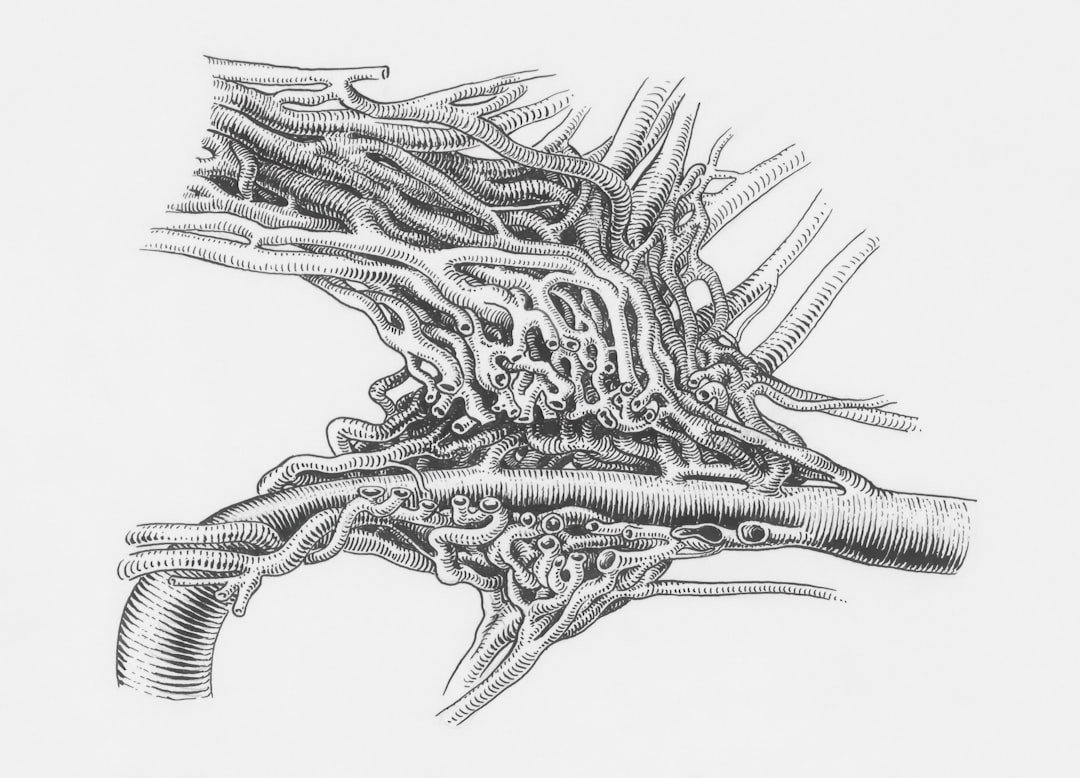
Introduced in 1994 by the psychophysiologist Stephen Porges, polyvagal theory proposes that the autonomic nervous system is more complex than the classical two-branch model of sympathetic arousal and parasympathetic rest. It divides the vagus into two functionally distinct branches: a newer, myelinated ventral branch associated with social engagement and calm, and an older, unmyelinated dorsal branch associated with immobilisation and shutdown. It arranges these in an evolutionary hierarchy, and it treats respiratory sinus arrhythmia, the natural variation in heart rate with breathing, as a readout of ventral vagal tone.
The theory has been extremely influential in trauma therapy and has generated a wellness industry of books, courses and exercises promising to move people up the ladder from shutdown to safety.
What the critics say

The 2026 paper, titled “Why the Polyvagal Theory Is Untenable”, was led by Paul Grossman, an emeritus research director of psychosomatic medicine at the University Hospital Basel who has published objections to the theory since 2017, and co-signed by 38 specialists in autonomic physiology and vagal anatomy. It builds on his 2023 paper in Biological Psychology, which set out fundamental challenges and likely refutations of the theory’s five basic premises.
The objections are anatomical, physiological and evolutionary. Neuroanatomists point out that the theory is incorrect in claiming direct communication between the brainstem nuclei it depends on. The 2023 paper argues that a minority of cardiac parasympathetic neurons sit in the dorsal motor nucleus, which does not control heart rate, so the dorsal branch cannot do what the theory says it does; that the massive heart-rate slowing seen in fainting is a ventral, not dorsal, phenomenon; and that vagal responses to freezing in mammals are mediated by the ventral nucleus, contrary to the theory’s claim that immobilisation recruits the unmyelinated pathway. It argues that respiratory sinus arrhythmia can change with emotion because breathing changes, without reflecting any change in tonic vagal control of heart rate, which undercuts the use of heart rate variability as a measure of “vagal tone”. And it argues that emotions, facial expressions and vocalisations are determined by a range of structures besides the vagus, so the nerve is, in the authors’ phrase, jointly the messenger, not the message.
Evolutionary biologists add that the presence of myelinated vagal fibres to the heart in lungfish contradicts the theory’s account of the mammalian vagus as a later development.
An editorial in an Australian medical journal this month describes the paper as the work of two decades and calls the theory debunked.
What the defenders say
A reply published in the same issue argues that the critique does not engage polyvagal theory as it is articulated in the peer-reviewed literature and does not meet the epistemic standards required for scientific refutation. The theory’s originator published a 2025 update to which the critique is partly a response.
Clinical defenders make a different argument, and it is the more important one for a reader. They concede they do not claim expertise in comparative neuroanatomy, and they argue that the critique evaluates the theory exclusively at the level of mechanisms while ignoring its clinical, educational and systems-level contributions to trauma treatment. A widely shared piece by a psychology commentator puts it directly: the 2026 critique takes aim at the neurophysiological and evolutionary foundations of the theory, not its clinical applications, and somatic therapies and co-regulation practices work independently of the theory’s mechanism.
Critics of the critique also note that its lead author guest-edited a 2023 special issue of a journal publishing multiple critiques without responses, and that he selected the 38 co-authors himself. Those are fair points about process. They do not answer the anatomy.
What this means for “vagus nerve exercises”

Here is the honest position. The practices sold under the polyvagal banner are mostly things with independent evidence of their own: slow breathing, cold exposure, exercise, social contact, singing. They do not need polyvagal theory to work, and several of them predate it by centuries. What the theory added was a mechanism, a vocabulary and a measurement, and it is the mechanism and the measurement that 39 scientists have now rejected.
This site has already looked at the best-evidenced item on that list. Slow breathing and cyclic sighing covered a randomised trial in which a specific breathing pattern beat meditation on mood, and in which heart rate variability, the supposed vagal readout, did not change in any group. That null is exactly what the critics would predict: the practice helped and the marker did not move. It is also a reason to be careful about tracking “vagal tone” on a wearable, which brings back the problem this site described in a sleep tracker can make sleep worse: a number that becomes the thing being managed.
The wider pattern holds. Exercise as a treatment for depression found walking had the least uncertain evidence, and after-hours messages and burnout found the boundary between work and rest was where the cost accrued. Neither needs a ladder.
Where this belongs with a clinician

The critique is of a theory, not of the people it has helped. If a polyvagal-informed therapist has helped you, the 2026 paper does not say your progress was imaginary; it says the explanation you were given for it was wrong, which is a different thing.
What the dispute does argue against is self-diagnosis in polyvagal terms. “Dorsal shutdown” is not a clinical entity, and persistent low mood, dissociation, panic or exhaustion are conditions with names and treatments that a doctor or therapist can identify. Fainting, the one place the theory’s shutdown story touches real physiology, is a defined medical event with a defined mechanism, and recurrent fainting needs assessment rather than a nervous-system framework. If you are in crisis, contact your local emergency services or a crisis line now.
This article recommends no exercise, protocol or device.
Common questions
Has polyvagal theory been debunked?
Its biological foundations have been rejected by the scientists who study the vagus nerve. A February 2026 paper signed by 39 neuroscientists, physiologists and evolutionary biologists declared the theory untenable, arguing its claims about the two vagal branches, about heart rate variability as vagal tone, and about evolutionary history do not match established anatomy and physiology. A reply in the same issue argues the critique misrepresents the theory. Defenders say the clinical practices built on it work regardless of mechanism.
Is “vagal tone” a real measurement?
Heart rate variability is real and measurable. Whether it measures what polyvagal theory says it measures is the disputed part. Critics argue that respiratory sinus arrhythmia changes with breathing and emotion without reflecting changes in tonic vagal control of the heart, so a wearable’s HRV number is not a readout of a “ventral vagal state”. A randomised breathing trial covered elsewhere on this site improved mood without moving HRV in any group.
Do vagus nerve exercises work?
Some of the practices do, on their own evidence. Slow breathing, exercise and social contact each have trials behind them that predate and do not depend on polyvagal theory. What the 2026 critique rejects is the claimed mechanism and the “ladder” framework, not the practices. If humming or cold water helps you feel calmer, nothing in the critique says otherwise; it says the explanation on the label is wrong.
Should I stop seeing a polyvagal-informed therapist?
The critique is of a theory, not a therapy. The practices used in polyvagal-informed treatment, including breathing, grounding and co-regulation, are shared with other approaches and have their own evidence. If the therapy is helping, the 2026 paper gives no reason to stop. It does give reason to be sceptical of anyone diagnosing you in polyvagal terms or selling a device to measure your vagal state.
The nerve is real, the ladder is not
The vagus nerve did nothing wrong. It carries most of the parasympathetic traffic in the body and it is involved in calm the way it has always been. What has happened in 2026 is that the story built on top of it, the two branches, the evolutionary hierarchy, the tone you could measure and train, has been rejected by the people whose job is the anatomy.
For a person at a desk who was told to hum for their vagus nerve, the outcome is oddly reassuring. The humming might still help. It just was never about the ladder.
Did this answer your question?
Thanks. That helps us decide what to fix.



Leave a comment