
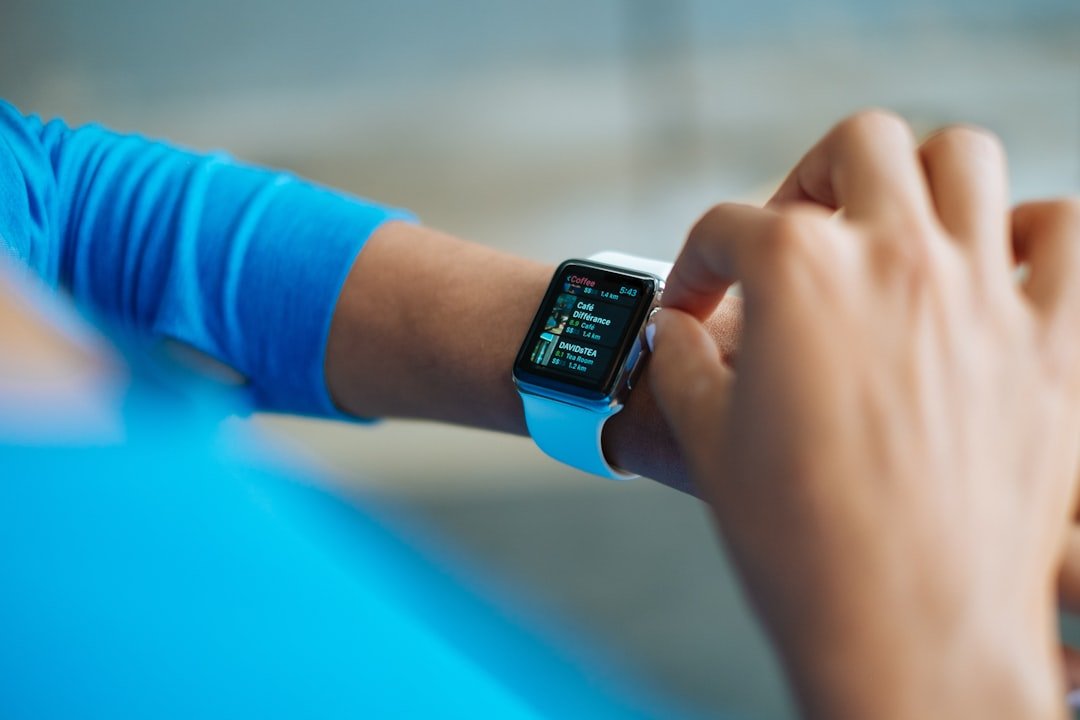
For some people, yes, and sleep clinicians gave the pattern a name. A 2017 case series described patients seeking treatment for self-diagnosed sleep problems on the basis of their tracker data, in what the authors characterised as a perfectionistic quest for ideal sleep. They called it orthosomnia.
Separately, validation work cited in the sleep literature has found that consumer tracking devices fail to discriminate sleep stages accurately and have poor accuracy in detecting wakefulness, which are precisely the outputs people act on.
None of which means throw it away. It means knowing what the number is and is not.
What clinicians actually observed
The source is a 2017 case series in the Journal of Clinical Sleep Medicine by Baron and colleagues, reporting three patients.
Their description: a growing number of patients were seeking treatment for self-diagnosed sleep disturbances such as insufficient sleep duration and insomnia, because of periods of light or restless sleep observed on their tracker data. The patients’ inferred correlation between tracker data and daytime fatigue could become a perfectionistic quest for the ideal sleep in order to optimise daytime function.
The detail that makes this more than a curiosity is what the patients believed. To them, tracker data often felt more consistent with their experience of sleep than validated techniques such as polysomnography or actigraphy did.
That is the loop. The device says the sleep was poor, that matches how the person feels, the feeling confirms the device, and the resulting anxiety about sleep is itself a well-known cause of poor sleep.
Why the data deserves less trust than it gets
An editorial in Nature and Science of Sleep reviewing the orthosomnia phenomenon makes the accuracy point directly: several validation studies have shown that consumer sleep tracking devices fail to discriminate sleep stages accurately and have poor accuracy in detecting wakefulness.
Sleep stages and wakefulness are the two things a sleep score is mostly built from. A device that cannot reliably tell deep sleep from light sleep, or asleep from lying still awake, produces a number that looks precise and is not.
The same editorial notes that despite those validation findings, the case series authors found their patients’ perceptions difficult to alter. Knowing the device is unreliable did not dissolve the belief.
How common is the anxiety
The editorial describes a study with two groups: 30 individuals whose sleep was monitored with a tracking device for a week, and 45 participants who had been using one for between a month and two years. Assessment of both groups showed trends of anxiety related to aiming for perfect sleep, with a resulting extension of time in bed.
That last part is the mechanism worth naming. Extending time in bed to chase a better number is the opposite of what insomnia treatment generally involves, and it is a plausible route from a tracker to worse sleep rather than just to worse feelings about sleep.
Two small groups is not a prevalence estimate, and this article does not offer one.
What the researchers suggested doing about it
Notably, none of them said stop tracking.
The case series authors framed the clinical challenge as balancing educating patients on the validity of these devices with patients’ enthusiasm for objective data, and suggested that incorporating sleep trackers into cognitive behavioural therapy for insomnia will be important as their use expands.
The editorial goes further on the practical side, suggesting that during that therapy the clinician should review the benefits and downsides of tracking with patients interested in using a tracker, and that whether tracker reports affect treatment adherence or generate debilitating anxiety should be reviewed with each patient. It also calls for long-term validation studies evaluating potential adverse effects of the technology in both healthy people and those with sleep disorders.
So the professional response is neither endorsement nor prohibition. The device is a variable in the clinical picture rather than a neutral observer of it.
If your sleep is genuinely bad

This article is about the effect of measuring sleep, not about sleep problems themselves, and it is important not to read it as a reason to dismiss real symptoms.
If you are persistently unable to fall asleep or stay asleep, if you wake unrefreshed most days, if you snore heavily or have been told you stop breathing at night, or if daytime sleepiness is affecting your driving or your work, see a doctor. Insomnia has an effective, well-evidenced treatment in cognitive behavioural therapy for insomnia, and sleep apnoea is both common and treatable.
If checking your score has become something you dread, or if you find yourself staying in bed longer to improve a number, that is worth mentioning to a clinician too. It is a recognised pattern and not something you invented. It is also worth knowing that alcohol before bed affects the second half of the night specifically, which is exactly the stretch a tracker will report on and you will not remember.
Common questions
Are sleep trackers accurate?
Not for the things people use them for most. An editorial in Nature and Science of Sleep reviewing this area states that several validation studies have shown consumer sleep tracking devices fail to discriminate sleep stages accurately and have poor accuracy in detecting wakefulness. Sleep stages and wake time are the main components of the scores and stage breakdowns these devices report. The 2017 case series that named orthosomnia also observed that patients found tracker data felt more consistent with their experience of sleep than validated techniques such as polysomnography or actigraphy, which describes belief rather than accuracy. This article names no brands and the site has tested no devices.
What is orthosomnia?
A pattern described by sleep clinicians in a 2017 case series of three patients, not a formal diagnosis. The authors reported a growing number of patients seeking treatment for self-diagnosed sleep disturbances such as insufficient sleep duration and insomnia, based on periods of light or restless sleep shown by their trackers. They described how the inferred correlation between tracker data and daytime fatigue may become a perfectionistic quest for the ideal sleep in order to optimise daytime function. The authors framed the clinical challenge as balancing educating patients about device validity against their enthusiasm for objective data. If this describes you, it is a recognised pattern and worth raising with a clinician.
Should I stop tracking my sleep?
The researchers who described the problem did not say so. The case series authors suggested that incorporating sleep trackers into cognitive behavioural therapy for insomnia will be important as use of these devices expands. An editorial reviewing the area suggests clinicians should review the benefits and downsides of tracking with patients interested in using one, and assess whether tracker reports affect treatment adherence or generate debilitating anxiety. It also calls for long-term validation studies evaluating potential adverse effects in healthy people and those with sleep disorders. So the position in the literature is that tracking is a variable to be managed rather than a practice to abandon.
Could tracking actually be making me sleep less?
There is a plausible route, described in the literature but not established as an effect size. An editorial reviewing this area describes a study of two groups, 30 people tracked for a week and 45 who had used a device for between a month and two years, in which assessment of both groups showed trends of anxiety related to aiming for perfect sleep, with a resulting extension of time in bed. Extending time in bed to improve a score runs against how insomnia is usually treated. Two small groups is not a prevalence figure and this article does not offer one. If you are doing this, discuss it with a doctor rather than adjusting alone.
A measurement that changes the thing measured
The reason this topic is interesting is not that the devices are inaccurate, though they are less accurate than their outputs imply.
It is that sleep is unusually vulnerable to being observed. Anxiety about sleep interferes with sleep, which is why the standard treatment for insomnia spends so much effort on beliefs and behaviours around bed rather than on sleep itself. Into that system, a device introduces a nightly score, presented with an authority the underlying measurement does not support, about stages and wakefulness it cannot reliably detect.
The clinicians who noticed this did not condemn the technology. They treated the tracker as part of the clinical picture, something to be discussed rather than trusted or banned.
Which is probably the right posture for anyone using one. The number is a rough estimate of something real, produced by a device that struggles with the specific distinctions it reports most confidently. Treat it as weak evidence about a night, not a verdict on it, and notice if you have started arranging your evenings around improving it. If you want a measure that is better established, what one bad night costs you and the effects of a daytime nap both have clearer evidence than any score.
Did this answer your question?
Thanks. That helps us decide what to fix.



Leave a comment