
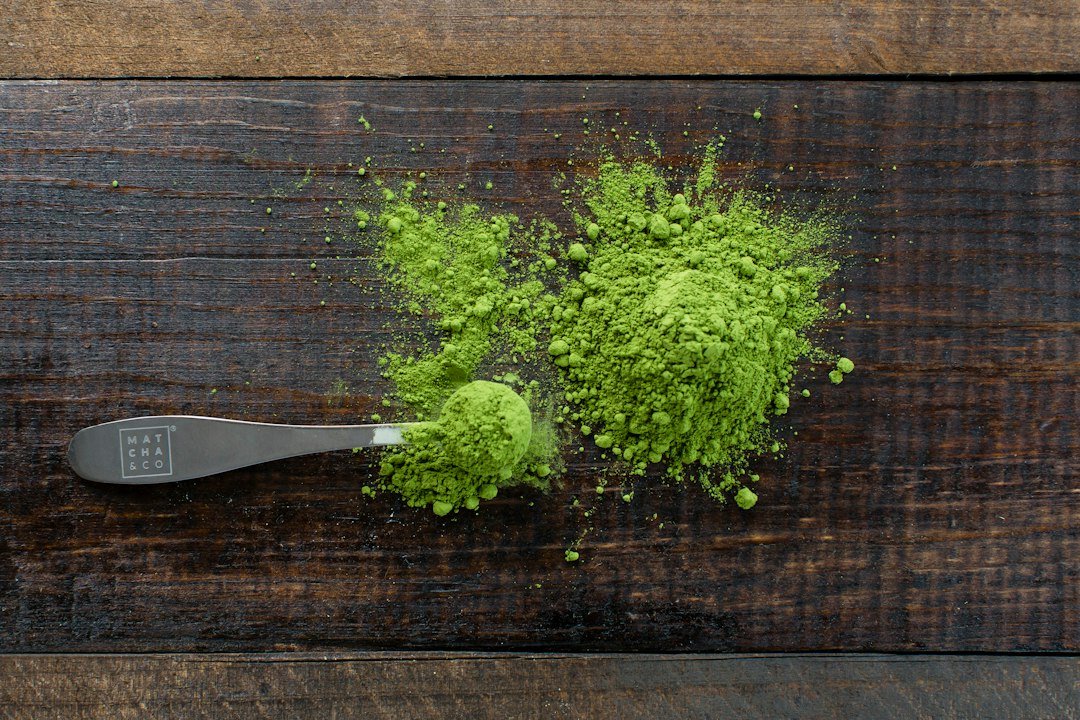
Greens powders are the supplement you hear about before you ever look for one. AG1 and its rivals sponsor a large share of the podcasts that developers and desk workers listen to, and the pitch is attractive to anyone who eats lunch at a keyboard: one scoop, and your vegetables are handled.
The evidence splits cleanly in two. Powdered fruit and vegetable products do raise the level of certain vitamins in your blood. Nobody has shown that they improve how long you live, how often you get ill, how much energy you have or how well you think. A dietitian at UCLA Health, reviewing the trend in August 2026, put it in one sentence: greens powders can contain micronutrients and bioactive compounds, but their evidence for clinically meaningful health outcomes is weak.
What a greens powder is
A greens powder is a dried blend of plant material (grasses, algae, leafy vegetables, fruit extracts) usually combined with added vitamins, minerals, probiotics and herbal extracts. It is, in effect, a multivitamin, a probiotic and a small amount of dehydrated plant matter in one tub.
That matters when reading the research. When a trial finds that a greens powder raised blood folate or vitamin C, the added vitamins could be doing the work, and a far cheaper tablet would do the same.
What the trials of powdered fruit and vegetables show
The best summary of the older research is a systematic review of commercial fruit and vegetable concentrates. It found twenty-two reports, which used commercially available products. Across them, daily use significantly increased serum concentrations of the antioxidant vitamins found in plant foods and folate, and some studies reported lower homocysteine and changes in markers of oxidation.
Those are blood markers, not health outcomes. The reviewers flagged the problem themselves: limitations of the available studies were related to the diversity of studies conducted with respect to design and study population and the variability in the measured outcomes. None of the trials followed people long enough, or in large enough numbers, to see whether the change in blood chemistry turned into fewer heart attacks, fewer infections or anything a person would notice.
So the defensible claim is narrow. If your diet is poor, a fruit and vegetable concentrate will raise some vitamin levels. Whether that does you any good beyond what a basic multivitamin would do has not been tested.
The AG1 evidence, specifically
AG1 is the market leader and the most heavily advertised, so its own evidence deserves a direct look. There are two published studies.
The first was not in people. It used a laboratory model of the human gut, the Simulator of Human Intestinal Microbial Ecosystem, fed with stool samples from donors. It reported shifts in some bacterial groups after 48 hours and concluded that the effects “may translate into favorable effects in humans”. That is a hypothesis, not a result.
The second was a randomised, double-blind, placebo-controlled trial in healthy adults. It is a real trial, and it is small and short: fifteen men and 15 women, split across two arms, for four weeks. AG1 enriched two probiotic species in stool, which the authors note likely stem from the probiotics species that exist in the product. In other words, people who swallowed those bacteria daily had more of them in their stool.
On symptoms, the abstract says there may have been a greater improvement in a digestive quality of life score in the AG1 group, a difference that did not reach conventional statistical significance. The paper’s own conclusion is modest: AG1 can be consumed safely by healthy adults over four weeks with a potential beneficial impact in their digestive symptom quality of life.
Two of the trial’s authors list their affiliation as AG1, Research, Nutrition, and Innovation. That does not make the data wrong. It does mean the whole published human evidence base for the best-known greens powder is one four-week, 30-person trial with company involvement, and it measured stool bacteria and a questionnaire. Nothing in it concerns energy, immunity or focus, which are the benefits the adverts talk about.
What vegetables do that a scoop has not been shown to do
The reason greens powders sound plausible is that the evidence for actual fruit and vegetables is strong. A dose-response meta-analysis in the International Journal of Epidemiology covered 95 studies (142 publications) and found that reductions in risk were observed up to 800 g/day for all outcomes except cancer (600 g/day). Those outcomes were cardiovascular disease, cancer and death from any cause.
That evidence is observational and it concerns whole foods eaten as part of a diet, with their fibre, water and bulk, and with whatever they displace from the plate. A scoop of powder weighs a few grams. No study has shown that the association transfers from 800 g of produce to a spoonful of dried extract, and there is no particular reason to expect it to.
Cost and quality control
ConsumerLab, an independent testing company, puts the price in perspective: AG1 costs approximately $3 per day, against a few cents for a multivitamin that covers the same vitamins. Its review also notes the product provides only small amounts (10% of the DV or less) of important macrominerals such as calcium, magnesium, and potassium, so it is not a complete nutritional safety net either.
Contamination is a category-wide concern because plant powders concentrate whatever was in the soil. When ConsumerLab tested greens and whole food products in 2013, it found that only 5 of the 11 products selected for testing met its quality standards, with failures for lead, arsenic or bacteria. Those results are over a decade old and do not describe any specific product on sale today, but they are the reason to favour brands that publish third-party test results.
The honest verdict
A greens powder is an expensive multivitamin with a probiotic and a good story. If your diet is genuinely short of fruit and vegetables, it will raise some vitamin levels, and so would a cheap tablet. It has not been shown to replace vegetables, improve energy, or prevent illness.
For a desk worker, the money does more as food. Frozen vegetables, a bag of spinach thrown into whatever you are already cooking, and fruit on the desk deliver the fibre and bulk that the long-term evidence is actually about.
This is not individual medical advice. Multi-ingredient supplements can interact with medication, and decisions about supplements belong with a clinician.
Common questions
Is AG1 worth it?
On the published evidence, no health benefit has been demonstrated that justifies roughly $3 a day. The only human trial ran for four weeks in 30 people, involved company-affiliated authors, and measured stool bacteria and a digestive questionnaire rather than energy, immunity or any long-term outcome.
Can greens powder replace vegetables?
No study shows that it can. The evidence linking fruit and vegetables to lower cardiovascular and all-cause mortality comes from 95 studies of whole foods, with risk falling up to 800 g a day. A few grams of dried powder has never been tested against those outcomes.
Do greens powders give you energy?
No trial has tested this. The research on fruit and vegetable concentrates measured blood vitamin levels and markers such as homocysteine, not energy or fatigue, so the claim rests on marketing rather than data.
Are greens powders safe?
The small AG1 trial reported no change in clinical safety markers over four weeks. The wider category has a history of contamination: in 2013 independent testing found only 5 of 11 greens products met quality standards, so third-party testing matters.
The bottom line
Greens powders reliably change what is in your blood and have never been shown to change what happens to your health. If you like the ritual and can afford it, a tested product is unlikely to hurt you. If you are buying it instead of eating vegetables, you are paying a premium for the one part of the vegetable that the evidence says matters least.
Did this answer your question?
Thanks. That helps us decide what to fix.



Leave a comment