
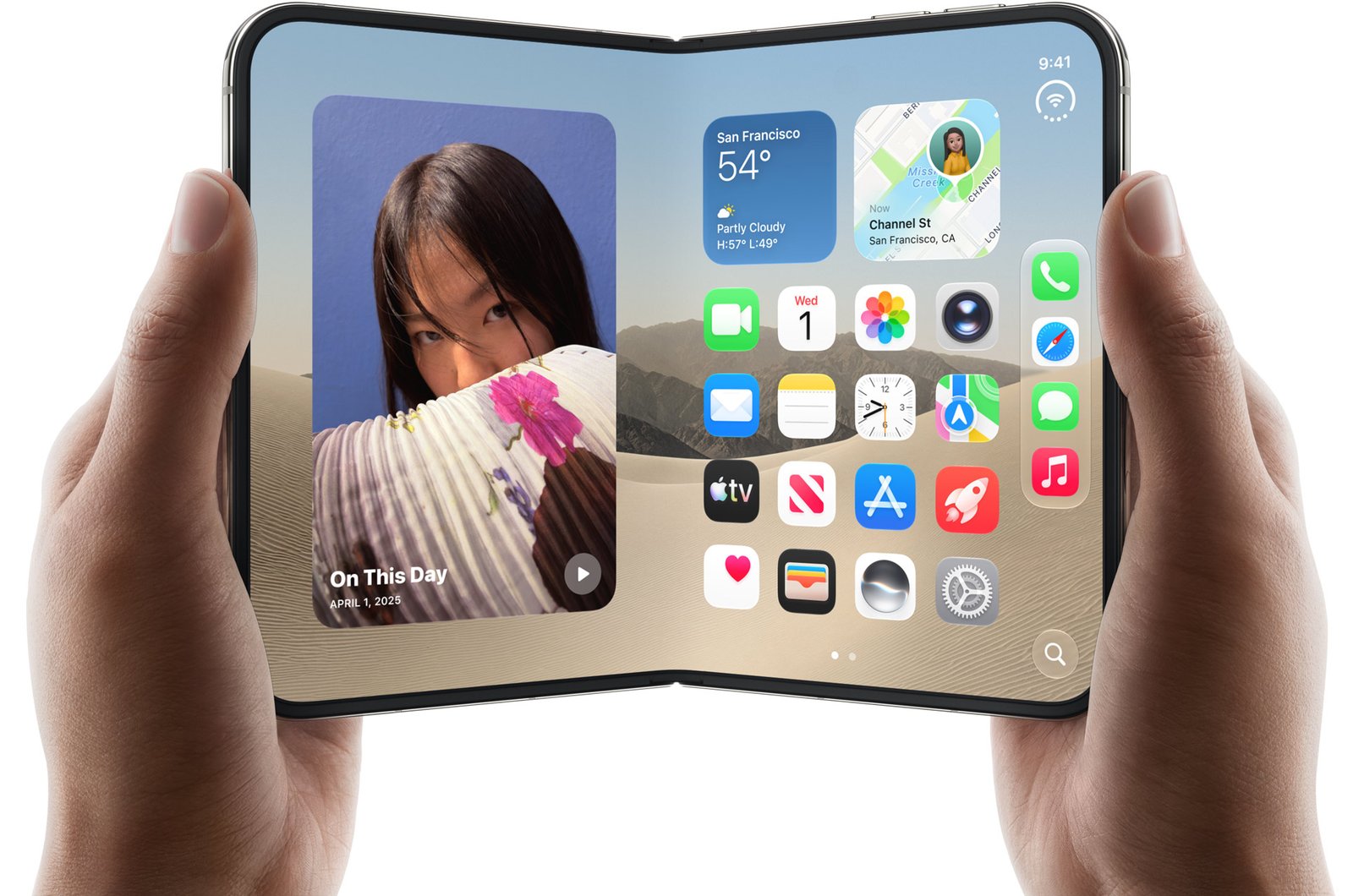
The iPhone Duo unfolds into the largest, brightest screen Apple has ever put on a phone, and a bigger screen is not the thing that decides whether you understand what you read on it. That is worth saying plainly, because the foldable arrives wrapped in the language of immersion, and immersion is not comprehension.
What follows is not a review of the hardware. It is the answer to a narrower question a lot of desk workers will actually have: if you read for a living, does a screen this large and this sharp change how much of a document you take in? The reading research has a clear answer, and it is not about the screen.
What Apple actually changed
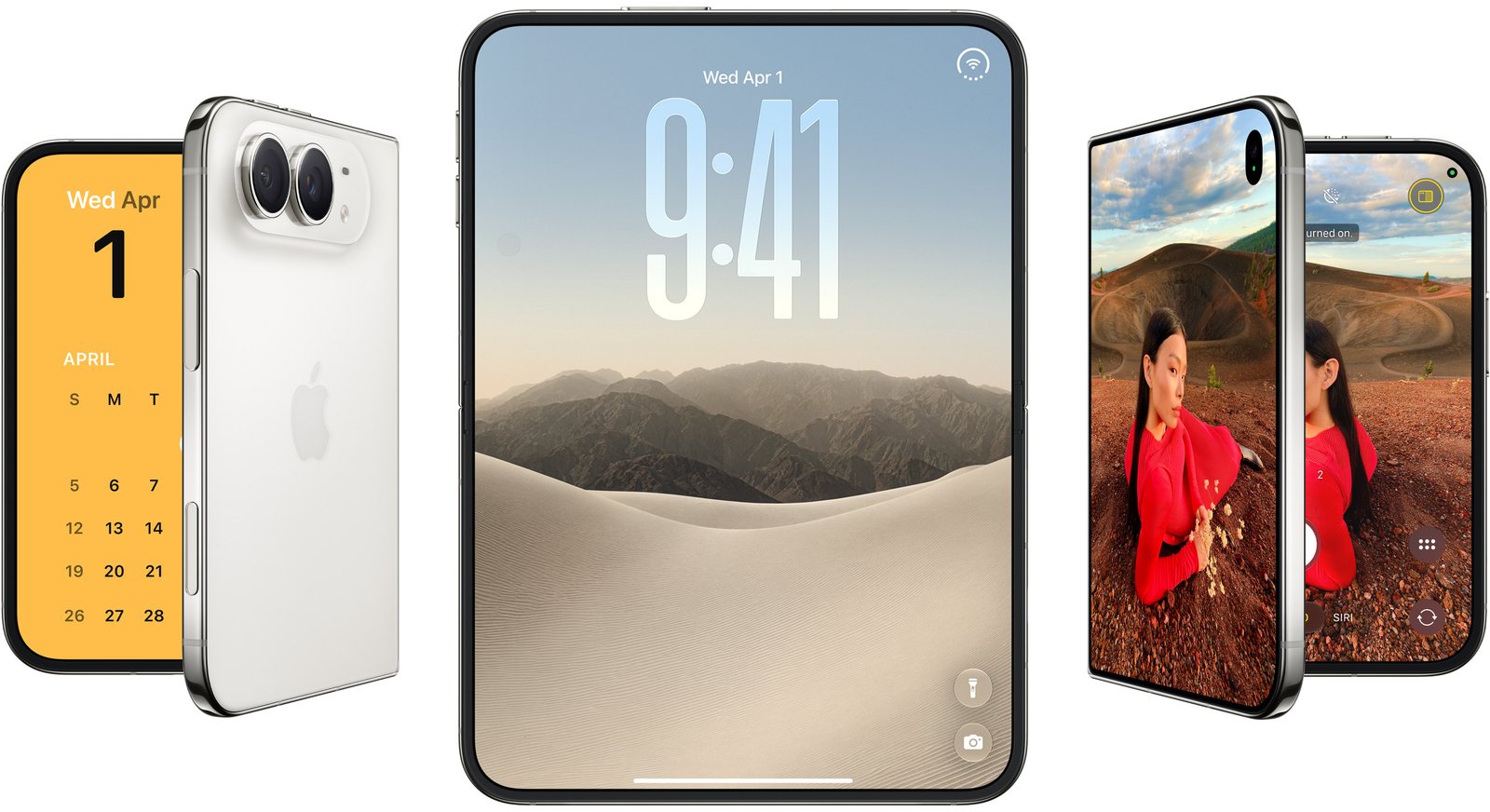
The Duo is, in Apple’s words, “the largest iPhone display ever. In a thin, foldable design.” Unfolded it is a 7.6-inch Super Retina XDR panel that Apple says is “50% larger display than iPhone 18 Pro Max”, running to “3000 nits peak brightness” with a “custom-designed nano-texture finish technology for reduced glare and reflections”. On the crease question, Apple says the Duo “features a wonderfully flat and smooth inner display”.
Set the marketing aside and what you have is a physically nicer page: larger, brighter, matte rather than mirror-like, and flatter than a folding screen has any right to be. All of that is real. None of it is the variable the reading studies care about.
What the reading research actually found
Two meta-analyses pooled the studies that put the same texts on a screen and on paper and tested how much people understood. Both found a small advantage for paper: Hedges’ g of about minus 0.21 in Delgado and colleagues in 2018, and minus 0.25 in Clinton in 2019. Small, and consistent: the reviews describe “a clear picture of screen inferiority, with lower reading comprehension outcomes for digital texts”, and note the result held “across methodologies and theoretical frameworks”.
The average hides the two things worth knowing. The gap was “clear in expository but not narrative texts”: dense, information-carrying writing lost something on screen (g around minus 0.32), while stories lost essentially nothing (g around minus 0.04). And it was “significant only among studies in which participants read under time constraints”. When people were allowed to set their own pace, the print advantage shrank to a Hedges’ g of about minus 0.09, which is close to nothing. Both of those conditions, dense material read against the clock, describe most of a working day.
Why a bigger, sharper screen does not close the gap
Here is the part the launch will not mention. The same meta-analysis that found the screen effect also checked whether the kind of screen mattered, and reported “no effects were found for educational level, text length, type of digital device”. Scrolling versus paging did not move it either. The disadvantage does not live in pixel density, panel size or how flat the fold is. It lives in how people read on screens.
The reviewers attribute it to “people’s stronger inclination toward shallow work in digital-based environments than in paper-based ones”, and note this is worse “particularly when the task design indicates its legitimacy”. In plain terms: a screen invites skimming, and we accept the invitation, especially when the format signals that skimming is fine. A larger, brighter Duo is a better-looking invitation to skim. It does not change the tendency, because the tendency was never about the glass.
What the iPhone Duo might genuinely do, and what it will not
There is a reasonable hypothesis that a large, flat, matte page held open like a book sits closer to the paper condition than a small glossy phone does. It is a hypothesis. No study has tested a folding phone, and the evidence we do have says device type is not the lever, so it would be inventing a result to tell you the Duo reads like paper. What can be said is narrower and still worth having: reduced glare is a genuine comfort feature, and a bigger page means less scrolling and fewer places to lose your line. Comfort is not comprehension, and no trial links glare reduction to understanding more, but a page you are willing to sit with is not nothing.
What the Duo will not do is read carefully on your behalf. The gap the studies measured is a gap in attention, and attention is the one thing a larger screen cannot supply.
What to do with a folding screen and a long read
The research points at the reader, not the device, so the useful moves are about how you read. Set your own pace rather than racing a deadline, because the print advantage nearly vanished once people controlled the clock. Treat a dense report or a specification differently from an article you are skimming for the gist, because the penalty is real for the former and absent for the latter. And notice that the reviewers themselves concluded “it is unrealistic to recommend avoiding digital devices”. The answer was never paper. It was reading on a screen as if it were paper when the material demands it.
Common questions
Does a bigger phone screen improve reading comprehension?
Not on the evidence we have. The meta-analyses that found a small screen-versus-paper gap also found no effect for the type of digital device. The variable is how attentively you read, not how large the screen is.
Is reading on a foldable different from reading on a normal phone?
No study has tested a foldable, so anyone claiming certainty is guessing. What the existing evidence says is that the comprehension gap does not vary by device, which is a reason to expect the difference to be small where it counts.
Does the matte nano-texture screen help you read?
It reduces glare and reflections, which is a comfort improvement, especially in bright light. Comfort is worth having, but it is not comprehension, and no trial connects a lower-glare screen to understanding more of what you read.
So is paper still better for reading?
Slightly, and only under specific conditions: dense, expository material read under time pressure. For stories, and for anything you read at your own pace, the difference is close to zero. The lever is the pace and the attention, not the medium.
For the full evidence behind this, including how the effect grew over the years the studies ran, see Do You Understand Less When You Read on a Screen?
Did this answer your question?
Thanks. That helps us decide what to fix.


Leave a comment