Digital Wellness & AI
Screen time, attention, burnout, and what happens to skills you stop practising because a model does them faster. This is the pillar the site exists for. The physical costs of desk work are well mapped; the cognitive ones are not, and the honest position is that much of this evidence is early, contested, or measured on tasks that only loosely resemble real work. Coverage here avoids both the alarmist framing and the dismissive one, because the research currently supports neither. Preprints are labelled as preprints, and associations are not written up as causes.

Do website blockers and focus apps actually work?
Focus apps, site blockers and screen-time limits are a large industry built on an untested premise: that removing the option to get distracted will make you…
Lateral reading: the fact-checker habit that still works when fakes are perfect
Almost everything you were taught about judging online information assumes you can learn the truth by looking harder at the thing in front of you. Check…

Voice-clone scams and the family safe word: which advice actually holds up
The call comes from an unknown number. It is your daughter, or your father, or your partner. They are crying. There has been an accident, or…

Does relying on GPS weaken your sense of direction? The oldest case of handing a skill to a machine
Long before anyone worried that a chatbot would make them worse at writing, most of us quietly gave up a different skill. We stopped finding our…

Will watermarks and Content Credentials fix the fake content problem?
Detection is losing. People cannot reliably spot synthetic media, and the software built to do it for them falls apart on real-world fakes. So the industry…
Deepfake detection software: why 99% in the lab becomes a coin flip in the wild
If people cannot reliably spot deepfakes, the obvious answer is to let software do it. A small industry now sells exactly that: upload a video, a…

How to spot an AI-generated image: which tells still work, and for how long
Everyone knows the old advice: count the fingers. For a while it worked. Early image generators produced hands with six digits, teeth that merged into a…
Can an AI Companion Fix Loneliness? What the Trials Actually Show
Two large studies, one randomised, agree on an uncomfortable pattern: the people who use AI companions most are the ones doing worst.

Why AI Tools Can Make You More Tired, Not Less
The promise was a lighter workload. The observed pattern was task expansion, blurred role boundaries and cognitive load, mostly self-imposed.

Does putting your phone in greyscale actually cut screen time?
Switching your phone to greyscale is one of the most widely shared tricks for using it less. The pitch is that bright colours make apps rewarding,…
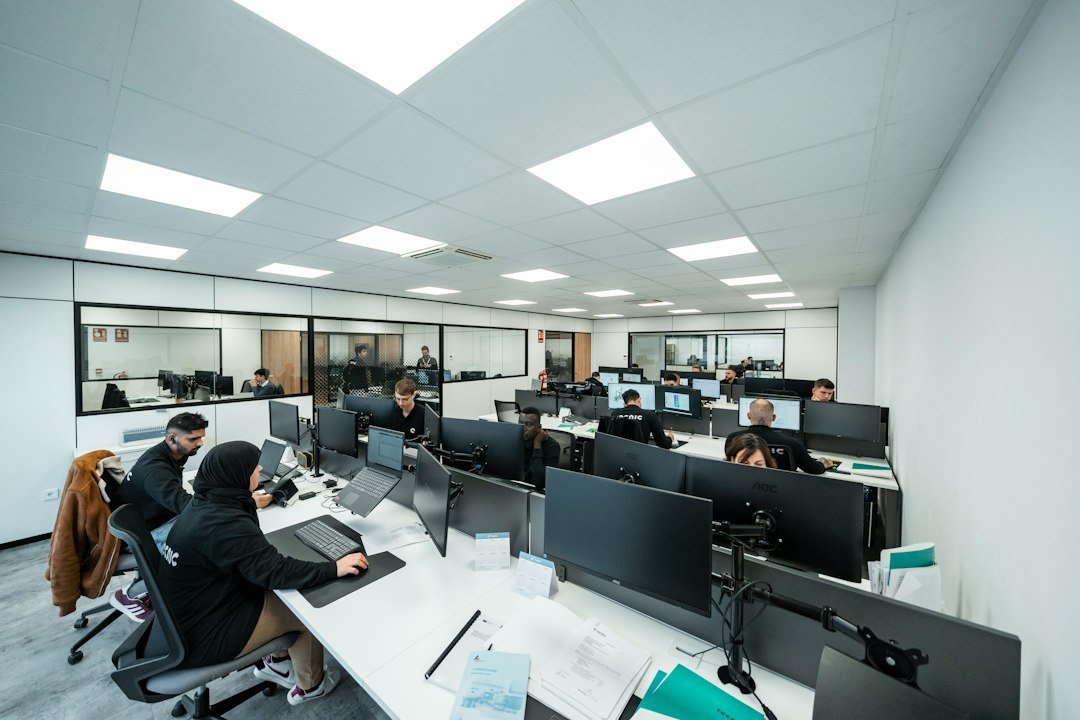
Does employee monitoring software stress workers out, and does it even work?
Activity trackers, screenshot tools, keystroke counters and AI “productivity scores” spread quickly once work moved home, and they have not gone away. The case for them…
Does Working From Home Affect Your Wellbeing?
The biggest remote-work study ever run found more isolation and distress. A month later another found remote workers had the highest wellbeing. Here is why both…
Browse by subject
Tags cut across the four pillars, so a subject can be followed wherever it turns up.
AI Tools Beginner Friendly Blue Light Burnout Buying Guide Caffeine Ergonomic Chairs Explainer How-To Monitor Arms Posture Remote Work Screen Time Sleep Tracking Standing Desks
How these articles get written
Every claim is traceable to a named source, and where the evidence is thin that gets said rather than smoothed over. Read the research standards to see what a claim has to clear, or read about TorpidLife.