
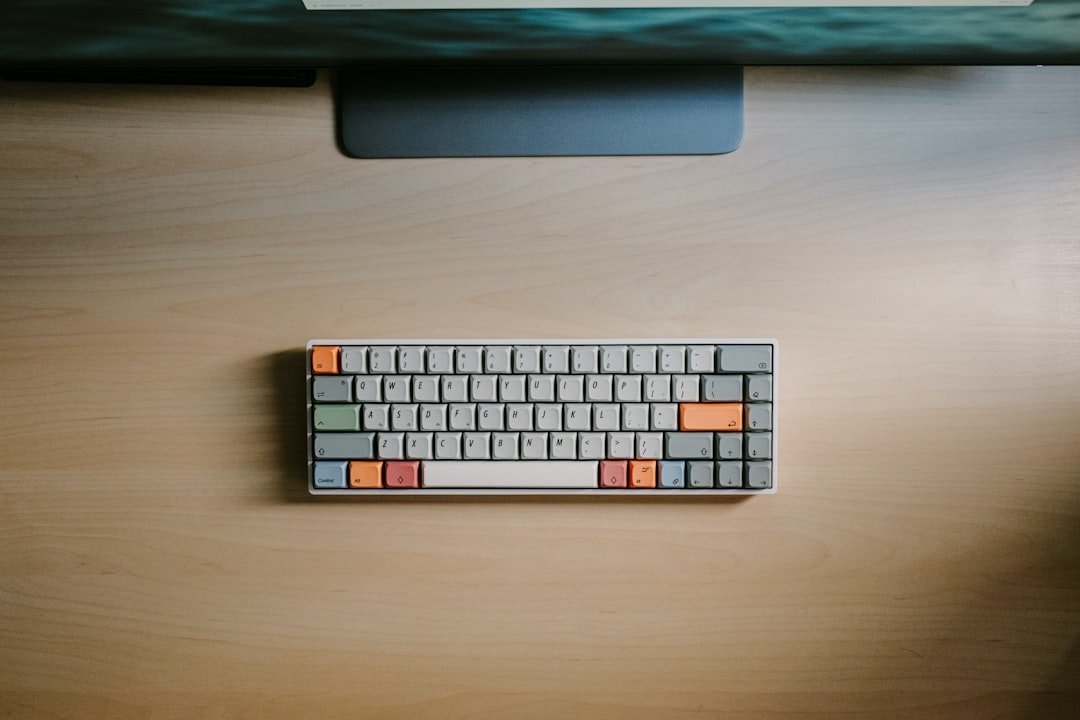
Keyboards specifically have barely been tested, and the one meta-analysis that separated mouse use from keyboard use found an association for the mouse and none for the keyboard. That is the short answer, and it is a sharper one than the first version of this article could give.
Two reviews carry it. A 2018 Cochrane review found inconsistent evidence for arm supports and alternative mouse designs, no evidence of an effect for other physical ergonomic interventions, and no tested keyboard interventions at all. A 2015 meta-analysis of 12 studies concluded that excessive computer use, particularly mouse usage, might be a minor occupational risk factor for carpal tunnel syndrome.
Minor, particularly the mouse, and not the keyboard. Everything below unpacks that.
What the Cochrane review actually tested
The reference point is a 2018 Cochrane review by Hoe and colleagues on ergonomic interventions for preventing work-related musculoskeletal disorders of the upper limb and neck among office workers. It included 15 randomised controlled trials covering 2,165 workers.
Its bottom line: inconsistent evidence that an arm support or an alternative mouse may or may not reduce the incidence of neck or shoulder disorders, and for other physical ergonomic interventions, no evidence of an effect.
The detail is more useful than the summary. The one place a signal appeared was an arm support combined with an alternative computer mouse, which in two studies reduced the incidence of neck or shoulder disorders, rated moderate-quality evidence. But an alternative mouse against a conventional mouse on its own did not considerably reduce neck, shoulder or right upper limb disorders. Same for an arm support with a conventional mouse. The effect appeared only for the combination.
Workstation adjustment and sit-stand desks each had one study apiece and showed no effect on upper limb pain or discomfort compared with no intervention, which is consistent with the evidence on sit-stand desks more broadly.
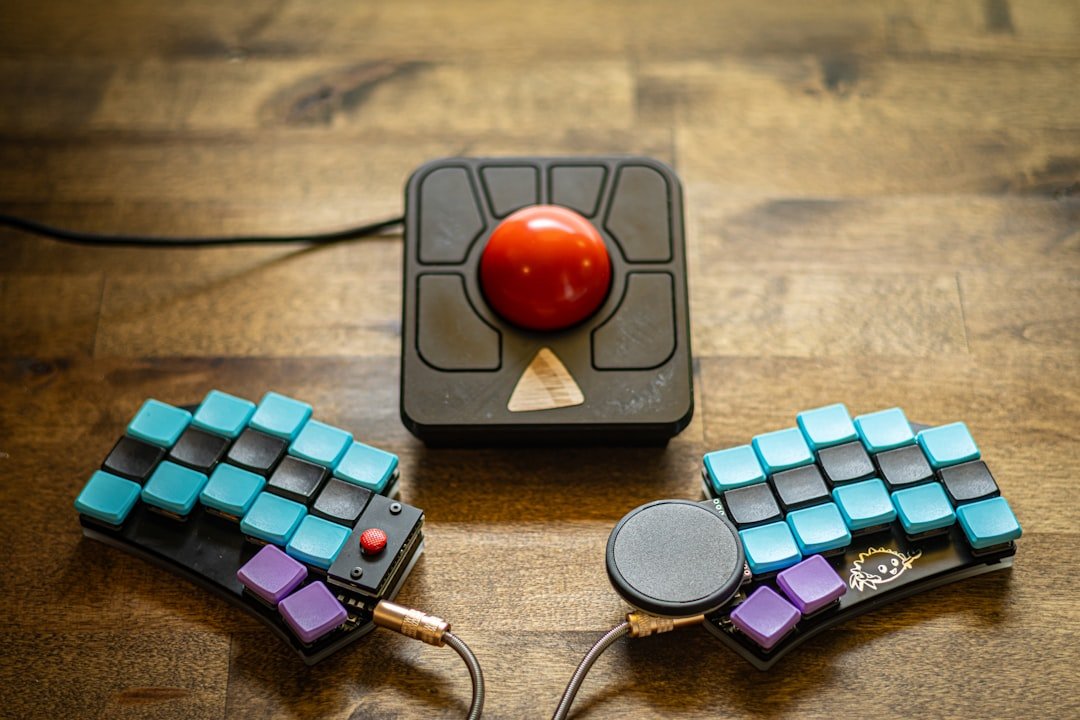
Alternative keyboards are not in that list. The review categorised what it found, and keyboard designs did not emerge as a tested physical ergonomic intervention with pooled evidence behind them. Absence of evidence is not evidence of absence, but it does mean anyone claiming a keyboard prevents injury is not drawing on this literature.
How good was that evidence

The review judged one of its 15 studies to have a low risk of bias and the remaining 14 to have a high risk of bias, because of small participant numbers and the potential for selection bias. Its own plain-language summary says fourteen of the studies conducted and reported their work poorly.
That is not a reason to conclude ergonomic equipment does not work. It is a reason to conclude the field has not produced the evidence that would settle it either way.
The mouse and the keyboard are not the same exposure

This is the part the first version of this article missed, and it matters.
A 2015 meta-analysis by Shiri and Falah-Hassani set out to assess whether computer use causes carpal tunnel syndrome, noting that studies had reported contradictory results on the role of keyboard or mouse use. Twelve studies qualified for a random-effects meta-analysis.
Its conclusion: excessive computer use, particularly mouse usage, might be a minor occupational risk factor for carpal tunnel syndrome.
Read the qualifiers. Excessive, not ordinary. Particularly mouse usage, not keyboard. Minor, not major. And might be, not is.
The authors also explain why earlier studies disagreed: office workers with no or little computer use are a more appropriate comparison group than the general population. Comparing office workers against everyone else compares desk work against manual work, which differs in far more than input devices.
As a later paper citing this meta-analysis describes it, the office-worker analysis found frequent computer use associated with carpal tunnel syndrome at an odds ratio of 2.52, while keyboard use and frequent keyboard use were not associated with it. That breakdown comes to us secondhand, so treat the figure as less firm than the published conclusion above.
What the older review found

A 2008 systematic review in BMC Musculoskeletal Disorders examined the same question and reached a more negative verdict.
It identified eight epidemiological studies, all with at least one limitation including imprecise exposure and outcome assessment, low statistical power, or potentially serious biases. Three showed an exposure-response association, but the authors judged that possible misclassification meant no firm conclusions could be drawn. Three found risks below one, meaning computer work appeared protective, which is more plausibly a sign of measurement trouble than a real effect.
On mechanism, pressure inside the carpal tunnel under conditions typical of computer users came out below levels considered harmful, though one study found pressure rising to potentially harmful levels during actual mouse use. The long-term effects at those levels are not known.
Its conclusion: there is insufficient epidemiological evidence that computer work causes carpal tunnel syndrome.
The mouse appears as the exception in both reviews, seven years apart, through different methods. The 2008 review found the only potentially harmful pressures during mouse use; the 2015 meta-analysis found the association concentrated there. Two kinds of evidence pointing at one device is more interesting than either alone.
What did show something

Two things in the Cochrane review, and neither is equipment.
Supplementary breaks reduced discomfort in the neck, right shoulder or upper arm, and right forearm, wrist or hand among data entry workers in two studies. The review rates this very low-quality evidence, its weakest grade, so treat it as a hint rather than a finding.
Ergonomic training came out at low to very low-quality evidence across five studies, described as may or may not prevent disorders. Multifaceted interventions showed no effect in the single study available.
The honest ranking: nothing here is well supported, and the least badly supported thing is taking more breaks. That pattern holds elsewhere too, where the neck and shoulder evidence favours strengthening rather than stretching and where whether sitting itself causes pain is contested.
Where this leaves an aching wrist
Wrist and hand pain during computer work is real and common. The Cochrane review notes that the proportion of office workers reporting upper limb and neck musculoskeletal disorders ranges from 20 to 60 per cent. Nothing above says the pain is imaginary. It says the claim that a differently shaped keyboard prevents it has not been demonstrated.
If your wrist or hand hurts persistently, if you have numbness or tingling, if you are waking at night with symptoms, or if grip strength is changing, that belongs with a doctor rather than a purchase. Carpal tunnel syndrome and the various tendon problems lumped together with it are distinguishable clinically and treated differently, and self-diagnosing from a product page is how people end up managing the wrong thing for months.
Common questions
Should I buy a split or tented keyboard?
Buy one if you want one, but the evidence does not support treating it as injury prevention. A 2018 Cochrane review of 15 randomised trials covering 2,165 office workers found inconsistent evidence for arm supports and alternative computer mouse designs, and no evidence of an effect for other physical ergonomic interventions. Alternative keyboards do not appear among its tested interventions. The review also judged 14 of its 15 studies to be at high risk of bias, so this is a field without good evidence rather than a field with good evidence against. Separately, a 2015 meta-analysis of 12 studies concluded that excessive computer use, particularly mouse usage, might be a minor occupational risk factor for carpal tunnel syndrome, with the emphasis on the mouse rather than the keyboard. Comfort is a legitimate reason to choose a keyboard. Prevention is a claim with nothing behind it.
Does typing cause carpal tunnel syndrome?
Less clearly than using a mouse does, on the current evidence. A 2015 meta-analysis of 12 studies concluded that excessive computer use, particularly mouse usage, might be a minor occupational risk factor for carpal tunnel syndrome. Note every qualifier there: excessive, particularly the mouse, minor, and might be. An earlier 2008 systematic review of eight epidemiological studies, all with significant methodological limitations, concluded there is insufficient epidemiological evidence that computer work causes the condition, and found carpal tunnel pressure during typical computer use to be below levels considered harmful, with the exception of mouse use. If you have numbness, tingling or night-time symptoms, see a doctor rather than reasoning from any of this.
Why does the mouse keep coming up and not the keyboard?
Two reviews using different methods both single it out. The 2008 systematic review measured pressure inside the carpal tunnel and found values below harmful levels under typical computer use, except that one study found pressure rising to potentially harmful levels during actual mouse use. The 2015 meta-analysis, working from epidemiological data rather than pressure measurements, concluded that excessive computer use and particularly mouse usage might be a minor occupational risk factor. Neither establishes cause, and the 2015 authors call for further prospective studies among office workers with objectively assessed keyboard and mouse use. But mechanism and epidemiology pointing at the same device is worth knowing if you are deciding where to spend attention.
What does the evidence actually support?
Very little, and what there is points at breaks rather than equipment. The 2018 Cochrane review found supplementary breaks reduced discomfort in the neck, shoulder and forearm or wrist or hand among data entry workers across two studies, though graded very low-quality, its weakest grade. Ergonomic training came out as low to very low-quality evidence that it may or may not prevent disorders. Workstation adjustment and sit-stand desks each showed no effect on upper limb pain in the single study available for each. The review’s own conclusion is that further high-quality studies are needed to determine whether any of these interventions work.
Buying against uncertainty
The useful thing this literature offers is not an answer about keyboards. It is a calibration, and a redirection.
An entire product category was built on a causal story: typing causes carpal tunnel, the right hardware prevents it. Fifteen small, mostly poorly conducted trials cannot support the second half. And the meta-analysis that looked hardest at the first half found the signal in the mouse.
Which is an odd result for the keyboard industry and a mildly useful one for you. If a keyboard makes your hands feel better, that is a real reason to own it and needs no clinical justification. If you are trying to reduce a risk, the device the evidence keeps pointing at is the other one on your desk, and the intervention it keeps pointing at is stopping more often.
If your hands hurt in a way that persists, no input device is the answer to that either, and the appointment is overdue.
Did this answer your question?
Thanks. That helps us decide what to fix.


Leave a comment