

Fibermaxxing points at a real shortfall. Most adults eat far less fibre than guidelines recommend, and the evidence that closing that gap matters is among the strongest in nutrition. A 2019 review commissioned by the World Health Organization, pooling 185 prospective studies and 58 clinical trials across nearly 135 million person-years, found that people with the highest fibre intakes had at least 15 per cent lower all-cause mortality than those with the lowest.
The problem is the second half of the word. In that same review, the greatest risk reductions clustered at a daily intake of 25 to 29 grams, which is roughly where the recommendations already sit, and the evidence for additional benefit above that range thins out. Fibre is worth increasing. Maximising it is a different proposition, and the trend has borrowed the evidence for the first to justify the second.
The shortfall is real
United States figures put it starkly: more than 90 per cent of women and 97 per cent of men do not meet the recommended daily intake, which is 25 grams for women and 38 grams for men, while most people take in around 15 grams a day. The United Kingdom picture matches. National Diet and Nutrition Survey data covering 2019 to 2023 found adults averaged roughly 16 to 17 grams daily against a 30 gram recommendation, with only 4 per cent meeting it.
This is unusual. Most nutrients that trend online are ones people already get enough of, which is the pattern this site found for multivitamins and energy and for electrolytes. Fibre is the opposite case: a genuine, well-documented population gap.
What fibre is and why the type matters

Dietary fibre is the part of plant foods not fully digested in the small intestine, and different fibres behave differently. Some add bulk and support bowel regularity, some form gels that slow digestion, and others are fermented by bacteria in the large intestine. That last group is where most of the current interest sits, because fermentation produces short-chain fatty acids that appear in much of the gut health research.
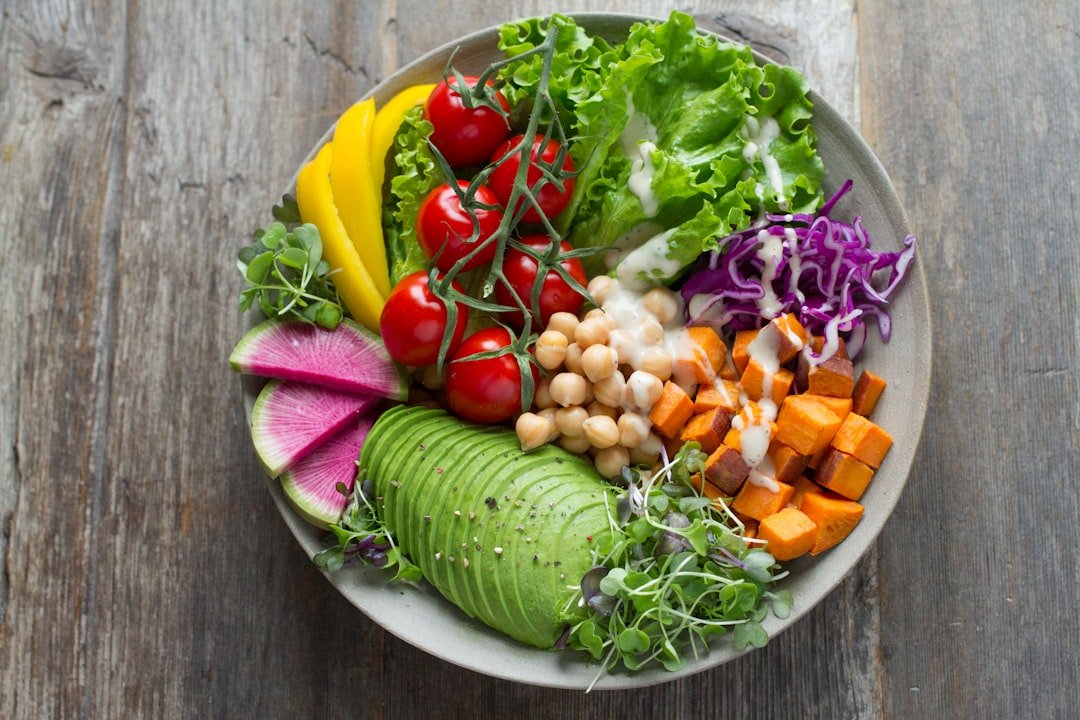
The practical consequence is that a fibre total is a crude measure. Thirty grams from a varied mix of beans, vegetables, fruit, nuts and whole grains is not the same intervention as thirty grams from a single supplement powder, and almost none of the outcome evidence was collected on the latter.
The evidence for closing the gap

The 2019 Lancet review is the anchor. Across all-cause mortality, cardiovascular mortality, coronary heart disease, stroke, type 2 diabetes and colorectal cancer, higher fibre intake tracked with lower risk, with reported reductions in incidence of roughly 16 to 24 per cent for those conditions and 15 to 30 per cent for mortality outcomes. Those are observational associations for the most part, so they cannot establish cause on their own, but the review paired them with clinical trials and the direction was consistent.
For a desk worker the more immediate question is energy rather than mortality. Fibre that slows digestion blunts the rise and fall in blood glucose after a meal, which is the mechanism behind the familiar post-lunch dip. This site has covered that dip in why you get tired after lunch and the related claim in the sugar crash, where the finding was that carbohydrate produced no energy boost and that fatigue rose within the hour after eating. A meal with more fibre and less refined starch is a reasonable response to that evidence. It is not a dramatic one, and no study reviewed here tested a fibre target against afternoon alertness directly.
Where the trend outruns the evidence
Three limits deserve stating.
The plateau. Protective effects were strongest in the 25 to 38 gram range and the evidence for benefit beyond it becomes thinner. There is no established dose-response continuing upward, so treating fibre as a score to maximise is not what the data support.
The tolerance problem. Increasing fibre quickly causes gas, bloating and discomfort, and researchers commenting on the trend have warned that too much too quickly can be very problematic from a gastrointestinal perspective. A Tufts researcher discussing fibermaxxing described both extremes: too much without enough fluid can cause constipation, while some people respond with the opposite problem.
The supplement question. The outcome evidence comes overwhelmingly from food. Supplements can help someone reach a target, and a scientist at Tufts said as much given how few people meet recommendations, but a powder is not equivalent to the varied plant diet the epidemiology measured. One industry researcher’s criticism of the trend is that simplifying a complex subject may mean people miss out on the benefits, since different fibres do different things.
Eating patterns, not scores
There is a broader caution here. Turning food into a number to push higher is a habit that generalises badly, and this site has been careful about it before, including in eating every few hours, where meal frequency turned out to matter far less than the framing suggested. Fibre deserves attention because most people are short of it. It does not deserve to become another target to hit, log and compete over.
If you have a diagnosed digestive condition such as inflammatory bowel disease or irritable bowel syndrome, fibre advice is not one-size-fits-all and some types can worsen symptoms; that is a conversation with a doctor or dietitian rather than a trend to follow. If food and eating have become a source of anxiety, or if tracking intake is becoming difficult to stop, that is worth raising with a professional too. This article gives no meal plans, targets or products, and the gram figures above are the published population guidelines, not a prescription for any individual.
Common questions
What is fibermaxxing?
It is a social media term for deliberately increasing fibre intake at every meal, usually to reach or exceed recommended targets. There is no official programme, food list or clinical definition. In practice it is a rebranding of long-standing nutrition advice, and it gained traction because the underlying shortfall is genuine: more than 90 per cent of women and 97 per cent of men in United States figures fall short of the recommended intake.
Is more fibre always better?
The evidence does not support that. In the 2019 Lancet review, the greatest risk reductions were associated with daily intakes of roughly 25 to 29 grams, and the case for additional benefit above the recommended range becomes thinner. Increasing intake quickly also causes gastrointestinal problems, and researchers commenting on the trend have flagged both constipation and diarrhoea as possible responses depending on the person and their fluid intake.
Will more fibre stop the afternoon slump?
No study reviewed here tested that directly. Fibre slows digestion and blunts the post-meal rise and fall in blood glucose, which is the mechanism behind the dip, so a meal with more fibre and less refined starch is a plausible response. This site’s coverage of the sugar crash found that carbohydrate produced no energy boost and that fatigue increased within the hour after eating, which points the same way without proving a fibre target helps.
Are fibre supplements as good as food?
The outcome evidence comes overwhelmingly from foods, not powders. Supplements can help someone reach a target, and a Tufts researcher noted that supplementation is generally a reasonable strategy given how few people meet recommendations. But different fibres behave differently, and a single supplement does not reproduce the varied plant intake that the epidemiology measured. Anyone with a digestive condition should ask a doctor or dietitian first.
The rare trend with a real gap behind it
Most wellness trends sell you more of something you already have enough of. Fibre is the exception, and the people pointing at it are pointing at something the evidence has supported for decades.
What the evidence does not support is the suffix. The benefit is in getting from fifteen grams to thirty, not from thirty to fifty, and the way there is a wider range of plants rather than a higher score. That is a duller instruction than the trend, and it is the one the studies actually back.
Did this answer your question?
Thanks. That helps us decide what to fix.



Leave a comment