The short version: do blue light glasses work? On the trials run so far, blue-light filtering lenses have not been shown to reduce eye strain, and there is no randomised evidence at all that they protect eye health. The sleep evidence is rated indeterminate. None of that is proof they do nothing, and the trials behind it are short, small and few.
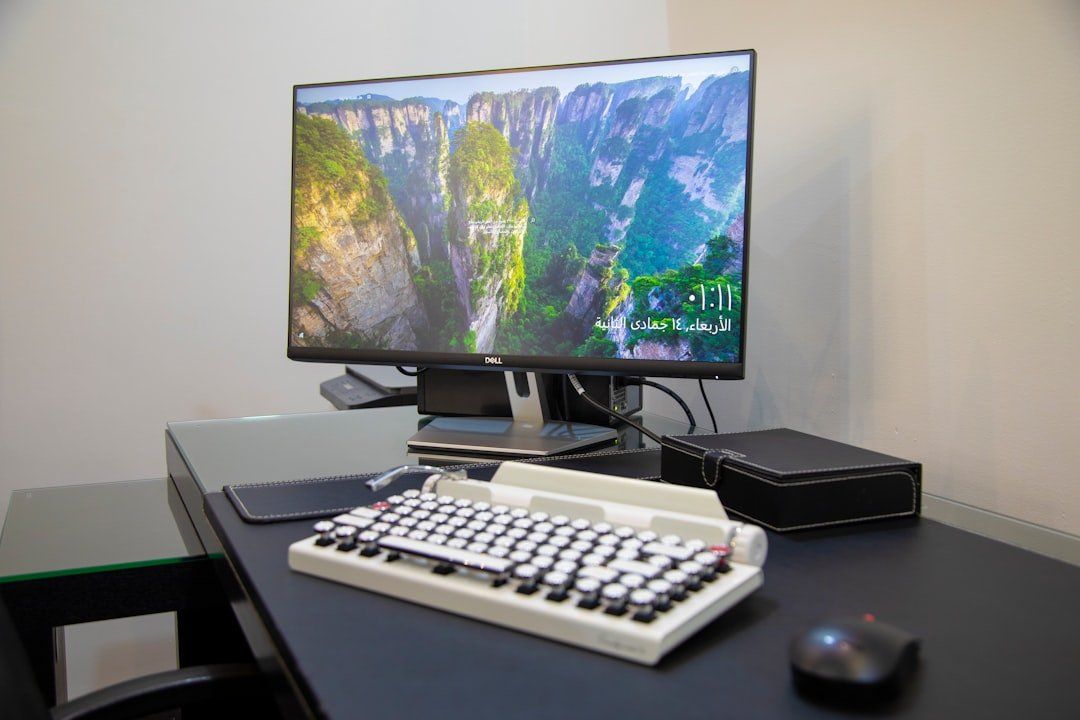
It’s 18:40. You’ve been in the same three windows since morning and your eyes have gone gritty and hot, the kind of tired that makes you blink hard and stare at a wall for a second. A tab has been open for four days with a pair of amber lenses sitting in the cart. The product page promises three things: the strain will stop, your eyes will be protected, and you’ll sleep better.
Those are three separate claims resting on three separate evidence bases, and one of them isn’t really a claim about the glasses at all. Blurring them together is the trick of this whole product category: it lets a shopper who wants relief from symptom A get sold on mechanism C. So take them apart.
Do blue light glasses work? Not as a single question, because they aren’t sold as a single thing. Split into the three promises: the best available review found no good evidence that they reduce eye strain, no randomised evidence at all on eye health, and indeterminate results for sleep. None of that is the same as proof they do nothing, and the gap between those two statements is where almost all of the arguing happens.
How good is the evidence on blue light glasses?

The anchor is a Cochrane systematic review published in August 2023, covering 17 randomised controlled trials of blue-light filtering spectacle lenses in adults. That is the top of the evidence pyramid for this question. It is also not a very tall pyramid. The included trials ran from under one day to five weeks and enrolled between 5 and 156 participants each, and the review’s own authors describe the study populations as heterogeneous and call for higher-quality trials.
Keep that in view before every finding below, because it changes what the findings mean. “No good evidence of benefit” and “proven not to work” are different statements, and only the first one is supported here. Trials this short and this small can miss a real effect just as easily as they can correctly find nothing, and from the outside you cannot tell which happened. The honest read is that the question has been asked badly so far, not that it has been answered against the lenses. That distinction is the standard TorpidLife holds itself to in how we research anything.
Claim one: they’ll fix your eye strain

This is the one you’re actually buying them for, and it’s the one Cochrane addressed most directly. The review’s conclusion is that blue-light filtering lenses may not reduce eye-strain symptoms during computer use over short-term follow-up. They probably have little or no effect on best-corrected visual acuity either, which is worth saying out loud, because a chunk of the marketing implies a sharpness benefit nobody has demonstrated.
The American Academy of Ophthalmology lands in the same place and does not recommend blue-light-blocking glasses. Their explanation is the interesting part: they attribute screen-related eye discomfort to how screens get used rather than to the light coming out of them. That’s professional guidance, not primary evidence, so it doesn’t independently prove anything, but a specialty body and a systematic review pointing the same direction is worth weighting.
And if the discomfort is a usage problem, a lens is the wrong shape of intervention. You cannot filter your way out of a ten-hour fixation habit.
Claim two: they’ll protect your eyes
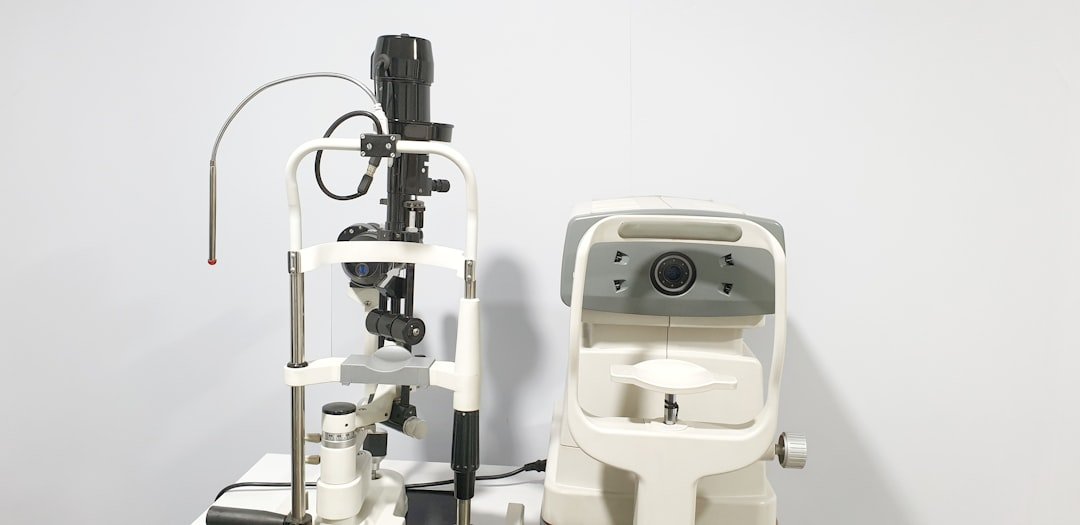
Here the situation is stranger than most coverage admits. Cochrane didn’t find weak evidence on eye health. It found none. Across all 17 trials, no randomised evidence was identified for macular health at all. Same for contrast sensitivity, colour discrimination, discomfort glare and serum melatonin. Those outcomes simply have not been tested in a randomised trial of these lenses.
The premise underneath the claim doesn’t hold up either. The AAO’s position is that there is a lack of scientific evidence that blue light from screens damages the eyes. So the protection pitch is doing something quite specific: asserting a benefit that has never been trialled, against a harm the relevant specialty body says isn’t evidenced. If you’ve read a page telling you your monitor is quietly wrecking your retina, that page is not describing the state of the evidence.
Of the three claims, this is the one to set aside entirely, not because it has been tested and refuted, but because there is nothing there to weigh in either direction.
Claim three: they’ll help you sleep
Start with what Cochrane says about the lenses themselves: the sleep-quality results were indeterminate, neither a demonstrated benefit nor a demonstrated absence of one. There is currently no basis for telling anyone that putting on a tinted lens will improve their sleep.
But unlike the retina story, there is a real mechanism in the neighbourhood, and that’s why this claim keeps feeling plausible. In a controlled inpatient study, Chang and colleagues (PNAS, 2015) had participants read on a light-emitting device before bed versus reading a printed book. The device condition suppressed melatonin, delayed circadian timing, lengthened the time it took to fall asleep, reduced and delayed REM sleep, and left participants less alert the next morning. That is a coherent set of effects, and it establishes that evening screen light can push on the circadian system. If sleep is the outcome you actually care about, the lever with better evidence behind it is what time you stop drinking coffee.
Then read the protocol before extrapolating from it. Small inpatient sample. Four hours of reading, in a dim room, on a specific 2015 e-reader. That is not your Tuesday evening. The finding isn’t uncontested either: a critique and the authors’ published reply ran in the same journal, and anyone citing the original as a closed case is skipping that exchange.
Most importantly: nobody in that study wore glasses. It is a study of total evening light exposure from a device. It says nothing about whether a filter between the screen and your eye changes the outcome. Every product page that gestures at circadian science is borrowing credibility from a study that did not test the product.
Why I think the lens is the weakest lever on that mechanism
What follows is my own reasoning about the mechanism, not a finding from any of the studies above. No trial has compared these levers against each other, so weigh this as an argument rather than as evidence.
The circadian variable in the Chang protocol is evening light: how much of it, how blue, and how late. A tinted lens attacks exactly one of those three terms, partially, and only while you’re wearing it. You control the other two outright. Stopping at 22:30 instead of 00:30 removes two hours of exposure completely rather than attenuating a fraction of it, and it does so at the end of the evening, the part of the window the study was probing. Turning down ambient and screen brightness once it’s dark works on intensity across your whole field of view, not just the rectangle you’re staring at.
So even taking the sleep mechanism entirely seriously (which I do), the lens looks like the least powerful of the available levers, and it is the only one that costs money. That is an argument from the structure of the mechanism, not from a trial, and a trial could embarrass it. But it is why the sleep claim being the most scientifically respectable of the three still doesn’t add up to a reason to buy.
The unglamorous alternative, honestly rated
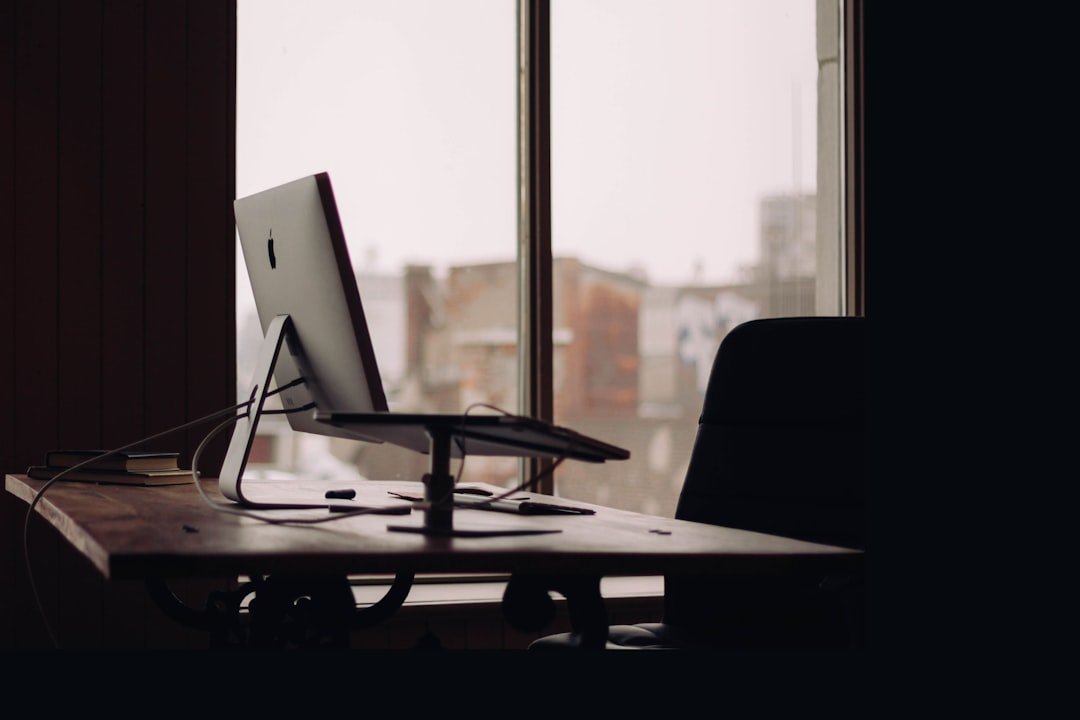
If the discomfort really is about how you use the screen, breaks are the obvious candidate. The evidence for them is thinner than the confidence with which they get recommended.
A 2023 study in Contact Lens and Anterior Eye tested 20-20-20-style break reminders over a two-week intervention period. Dry-eye symptom scores improved on three separate questionnaires, and binocular accommodative facility improved. Visual acuity, stereopsis, ocular alignment, fusional vergences and near point of convergence didn’t move.
Then the caveats. The design was sequential within-subject (a baseline period followed by an intervention period) rather than a randomised parallel trial. The sample was small. And the outcomes that improved were the subjective questionnaire ones, in a study where participants obviously knew they were being reminded to take breaks. That is the exact combination most vulnerable to expectancy effects. So: plausible, low-cost, reasonable to try. Not proven.
Break advice also doesn’t depend on this debate existing. OSHA’s Computer Workstations eTool advises a short break from computer tasks roughly every hour, including looking away from the screen. That’s advisory guidance rather than a trial result or a legal requirement, but it predates the blue-light argument entirely, which tells you something about where the discomfort was assumed to come from before anyone had lenses to sell.
One thing here isn’t a matter of evidence weighting: persistent eye pain, a sudden change in your vision, or symptoms that don’t settle when you’re away from screens are reasons to see an optometrist or ophthalmologist. Nothing in this article is a substitute for that, and no eyewear purchase is either. See our medical disclaimer.
Related reading: Do e-ink monitors reduce eye strain? and Does Dark Mode Reduce Eye Strain?
Common questions
So are blue light glasses a scam?
Not in the sense of being disproven: the trials are too short and too small to rule out a modest effect. The fair charge is against the marketing, which asserts three benefits where the best available review found no good evidence for one, indeterminate results for another, and no randomised evidence at all for the third.
My eyes genuinely feel better wearing mine. Am I imagining it?
Possibly, possibly not, and there’s no way for either of us to tell from the outside: unmasked personal experience can’t separate the lens from the expectation. That’s not a reason to throw them away. It is a reason not to treat your experience as evidence that they work for anyone else.
What about night mode or a software blue-light filter instead?
The Cochrane review covered spectacle lenses, not software filters, so it doesn’t answer that question in either direction. Treat any confident claim about night mode (for or against) as running ahead of the evidence cited here.
If it isn’t the blue light, why do my eyes hurt at 6pm?
The AAO’s answer is that it’s about how screens get used, not what they emit. It doesn’t put a single named cause behind your symptoms, and the review evidence here is about lenses rather than about what makes eyes sore. But that reframing is what makes break cadence, rather than a purchase, the more sensible thing to experiment with first.
Will better studies change any of this?
They could. Cochrane’s own conclusion calls for higher-quality trials, and the outcomes with zero randomised evidence are wide open. Anyone telling you the question is closed (in either direction) is overstating what 17 short, small, heterogeneous trials can support.
What you’re actually deciding
“Do blue light glasses work?” is unanswerable as posed, because it’s three questions wearing one coat. The strain claim has been tested and hasn’t shown a benefit yet, on evidence too thin to settle it either way. The protection claim rests on a harm the specialty body says isn’t evidenced, and on trials that were never run. The sleep claim attaches to a mechanism that genuinely exists, and, on my reading of that mechanism, the lens is the weakest available way to push on it.
Which leaves a more uncomfortable question than the one you opened the tab to answer. The intervention with the clearest mechanism behind it isn’t a purchase. It’s stopping earlier and looking away more often, and neither of those has a checkout button.
Did this answer your question?
Thanks. That helps us decide what to fix.


Leave a comment