
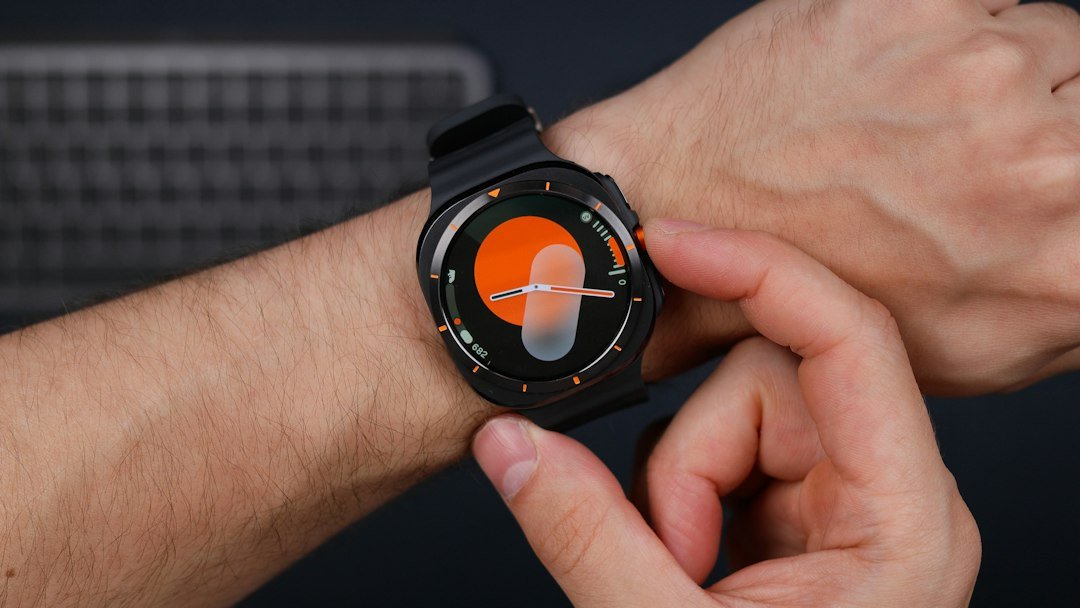
A watch cannot tell you your blood pressure, and Apple’s hypertension notifications do not claim to. What the feature does is look for a pattern in the optical heart sensor’s signal over 30 days that is statistically associated with high blood pressure, then prompt you to check with a real cuff. In the FDA clearance data it caught 41.2% of people with hypertension and correctly stayed silent for 92.3% of people without it. That makes it a useful nudge and a poor safety net. If you get the alert, the answer is a cuff and a clinician, not the watch.
What the feature claims
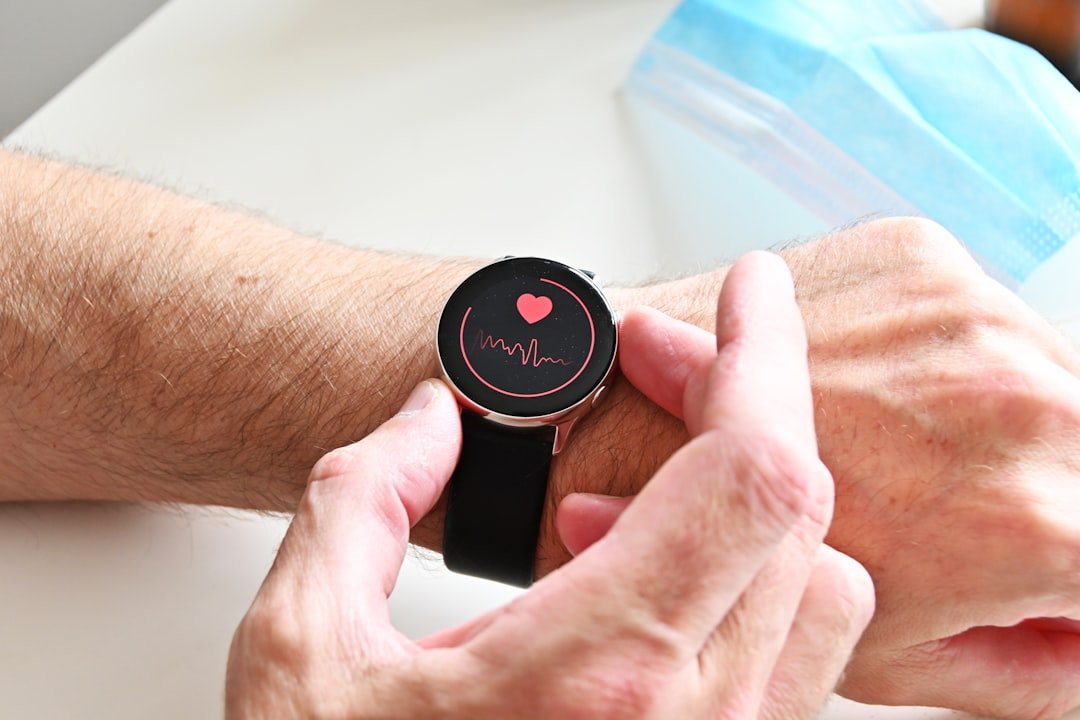
Apple’s support page (accessed 11 September 2026) says the watch “can analyze data collected by the optical heart sensor and notify you if it detects a pattern of hypertension”, and that this “is done over 30 day evaluation periods, starting from the day you set up hypertension notifications”. You need to be 22 or older, not pregnant, and not already diagnosed with hypertension. It runs on Apple Watch Series 9 or later and Apple Watch Ultra 2 or later, and Apple notes it “is not available with Apple Watch SE”.
Apple’s launch materials describe the mechanism as analysing “how a user’s blood vessels respond to the beats of the heart”. The feature was developed with “training data from multiple studies totaling over 100,000 participants” and validated “in a clinical study of over 2,000 participants”. Apple also projects that the feature “is expected to notify over 1 million people with undiagnosed hypertension within the first year”, against a backdrop it cites of “approximately 1.3 billion adults globally” living with the condition.
The key design point: the watch never shows you a blood-pressure number. When it notifies you, Apple’s page says you “will also be prompted to set up a Blood Pressure Log and use a third party blood pressure cuff to measure and track your blood pressure for 7 days”, and to discuss the results with a healthcare professional. Apple says this seven-day cuff protocol “is consistent with the latest American Heart Association guidelines for the diagnosis and management of hypertension”.
What the FDA clearance says
The FDA cleared the Hypertension Notification Feature (HTNF) on 11 September 2025 under 510(k) K250507. The indications for use describe software that “analyzes photoplethysmography (PPG) data opportunistically collected by Apple Watch to identify patterns that are suggestive of hypertension”. The limits are spelled out in the same paragraph: it is not intended to replace traditional diagnosis, “to monitor hypertension treatment effect, or to be used as a method of blood pressure surveillance”. And, as with Apple’s sleep apnoea feature, “Absence of a notification does not indicate the absence of hypertension”.
The validation study enrolled 2,229 adults without a prior hypertension diagnosis; 1,863 provided at least 15 days of usable data for the primary analysis. Participants wore the watch for 30 days while measuring blood pressure with an FDA-cleared home cuff as the reference. Hypertension was defined using the American Heart Association threshold of average systolic 130 mmHg or higher, or diastolic 80 mmHg or higher.
The results, in the FDA’s own words: overall sensitivity and specificity were “41.2% (95% CI [37.2, 45.3]) and 92.3% (95% CI [90.6, 93.7])”. Sensitivity for stage 2 hypertension was “53.7% (95% CI [47.7, 59.7])”. The positive predictive value, at the study’s hypertension prevalence of 31.4%, was 70.9%.
Read those together. Fewer than half of people with hypertension in the study received a notification within 30 days; even among the stage 2 group, nearly half were missed. On the other hand, a notification is informative: roughly seven in ten people who got one had hypertension by the cuff standard, in a population with a higher hypertension rate than the general public. In a lower-prevalence population the positive predictive value would be lower.
The subgroup analysis is also worth a look. The summary reports “Higher sensitivity and lower specificity were observed in those with older age (age≥60” years and higher BMI, which the FDA deemed acceptable because these are higher-risk groups. Younger, leaner users, which describes a lot of desk workers, should expect the feature to miss more.
A separate two-year longitudinal analysis found the long-term specificity for non-hypertensive participants “remained high at 86.4% (95% CI [80.2%, 92.5%])”, a little below the pivotal study’s 92.3%. That is the false-alarm rate compounding over six evaluation windows.
Note also the training data: the underlying deep-learning model was pre-trained on Apple Watch sensor data from more than 86,000 participants, then a classifier was trained on data from about 9,800 participants with home cuff readings. These are Apple’s studies, and the raw data are not public.
Why cuffless blood pressure is contested
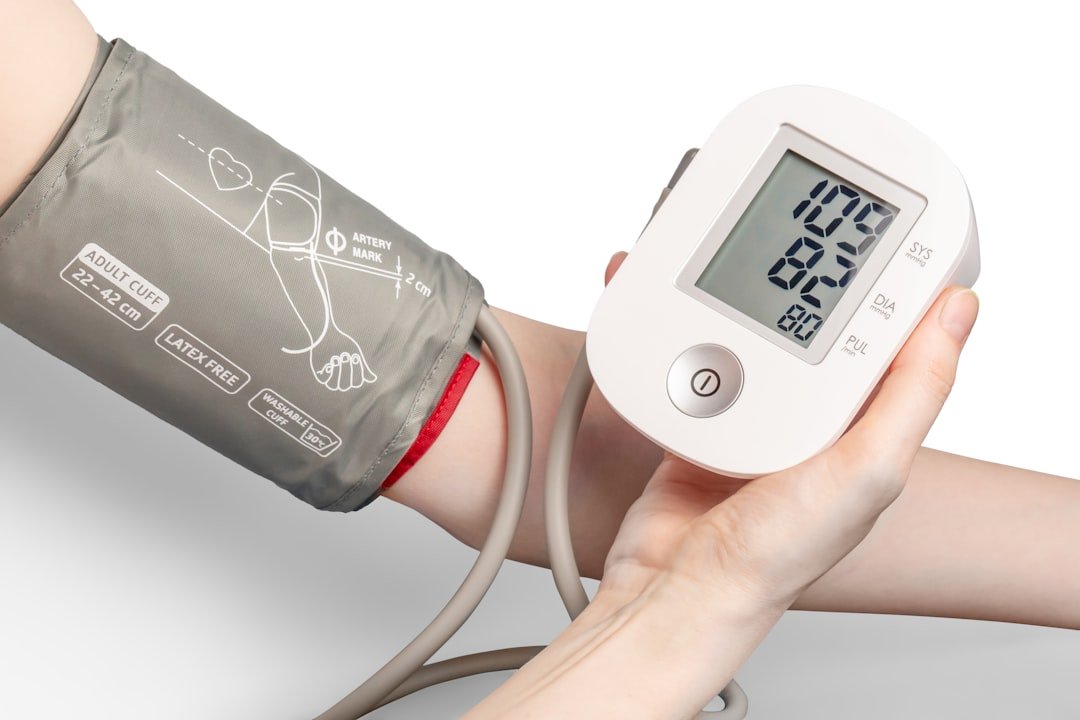
The hypertension notification is not a cuffless blood-pressure monitor, and Apple is careful to say so. But it sits on the same physics, and that physics is why hypertension societies remain sceptical.
The European Society of Hypertension’s Working Group on Blood Pressure Monitoring published a review and statement on cuffless devices in 2022. Its opening position: “recent guidelines by the European Society of Hypertension do not recommend cuffless devices for the diagnosis and management of hypertension.” The reason is not that the devices are all bad; it is that they cannot be validated the way cuffs are. In the working group’s words, “Cuffless BP devices have specific accuracy issues, which render the established validation protocols for cuff BP devices inadequate for their validation.”
Those issues include “the need of individual cuff calibration, the stability of measurements post calibration, the ability to track BP changes, and the implementation of machine learning technology”. A PPG-based model can look accurate on a static test population and still fail to follow a given person’s blood pressure as it drifts over weeks, which is exactly the situation a screening feature is meant to catch. The statement concludes that “fundamental questions regarding their accuracy, performance, and implementation need to be carefully addressed before they can be recommended for clinical use.”
Apple’s feature avoids some of this by never outputting a number and by being cleared as a notification tool rather than a monitor. But the sensitivity figures show the cost: a machine-learning classifier trained to avoid false alarms on an opportunistic signal will miss a large share of true cases.
What this means in practice

For a desk worker who has never had their blood pressure checked, the feature has a real, if narrow, use: it may prompt some people who would otherwise never see a clinician. Hypertension is often symptomless, so any credible nudge has value.
What it cannot do is replace a cuff. The FDA indications say the feature is not for blood-pressure surveillance, and the ESH does not recommend cuffless devices for diagnosis or management. If you want to know your blood pressure, buy a validated upper-arm cuff, take readings the way your clinician recommends, and log them. If you get a watch notification, do the seven-day cuff log Apple asks for and bring it to an appointment. If the cuff readings are high, that is the finding; the watch only pointed you there.
If you never get a notification, that tells you very little. With sensitivity around 41%, more than half the people in the validation study who had hypertension were not flagged in 30 days. A routine blood-pressure check remains a routine blood-pressure check. For how we weigh manufacturer claims against regulator documents and independent literature, see how we research.
Common questions
Can an Apple Watch measure blood pressure?
No. The hypertension notification feature does not display a blood-pressure reading. The FDA clearance describes software that analyses optical heart-sensor (PPG) data over 30 days to spot patterns suggestive of hypertension, and states it is not intended “to be used as a method of blood pressure surveillance”. Apple directs users to a third-party cuff for actual measurements.
How accurate are Apple Watch hypertension notifications?
In the FDA clearance study of 2,229 enrolled adults, overall sensitivity was 41.2% and specificity 92.3%. Sensitivity for stage 2 hypertension was 53.7%. Positive predictive value was 70.9% at the study’s 31.4% hypertension prevalence. In short: a notification is worth acting on, but most people with hypertension did not get one within 30 days.
What should I do if my Apple Watch says I may have hypertension?
Follow Apple’s own instruction: measure your blood pressure with a third-party cuff for seven days using the Blood Pressure Log, then discuss the readings with a healthcare professional. The cuff readings, not the notification, are what a clinician will use. Use an upper-arm cuff that has been independently validated if you can.
Why do hypertension experts distrust cuffless blood pressure devices?
The European Society of Hypertension does not recommend cuffless devices for diagnosis or management because the validation protocols designed for cuffs are inadequate for them. Open questions include calibration, stability of readings after calibration, and whether the device can track changes in blood pressure over time. The society says these must be addressed before clinical use.
Who is eligible for Apple Watch hypertension notifications?
Apple’s support page says you must be 22 or older, not pregnant, and not previously diagnosed with hypertension, with an Apple Watch Series 9 or later or Ultra 2 or later. The feature is not available on Apple Watch SE. The FDA indications also exclude use during pregnancy and for monitoring treatment.
Did this answer your question?
Thanks. That helps us decide what to fix.



Leave a comment