

Music with lyrics reliably interferes, instrumental music is close to neutral but not entirely harmless, and one recent meta-analysis points the other way. That last part is new to this revision and it makes the answer less tidy than the original version gave.
A 2011 meta-analysis found a global null effect for background music that its authors attribute to opposite specific effects cancelling out. A 2022 systematic review confirmed the detrimental effect of music, particularly with lyrics, on memory tasks and reading comprehension, and found instrumental music generally does not affect performance except on serial recall and complex cognitive tasks. And a 2023 meta-analysis of 47 studies found a small positive effect of background music on learning.
So the honest answer depends on the lyrics, the task, and which body of research you are reading.
Why the overall answer looks like nothing

The 2011 meta-analysis by Kämpfe, Sedlmeier and Renkewitz in Psychology of Music set out to summarise the impact of background music, which had been found to have beneficial, detrimental, or no effect across a variety of outcome measures.
Its global analysis showed a null effect. The authors do not read that as meaning music does nothing. They state the null is most probably due to averaging out specific effects, and caution that their power to detect those specifics was not very high.
The specific effects they identified: background music disturbs the reading process, has some small detrimental effects on memory, but has a positive impact on emotional reactions and improves achievements in sports.
Music makes you feel better and read worse. Average those and you get zero, which is why summaries stopping at the global null mislead.
Where the lyrics come in

A 2023 study in the Journal of Cognition by Souza and Barbosa tested the obvious candidate. College students completed verbal memory, visual memory, reading comprehension and arithmetic tasks under three conditions: silence, instrumental music, and music with lyrics.
Music with lyrics hindered verbal memory, visual memory and reading comprehension, with effect sizes around minus 0.3. Its negative effect on arithmetic, at minus 0.19, was not credible. Instrumental music, which was hip-hop lo-fi, did not credibly hinder or improve performance.
Participants were usually aware of the distracting effect of the lyrics, but tended to believe instrumental music was beneficial when measured performance showed it neither helped nor hurt. The authors conclude metacognition was not wholly faulty and may only partially explain inefficient study habits.
What the newer reviews add
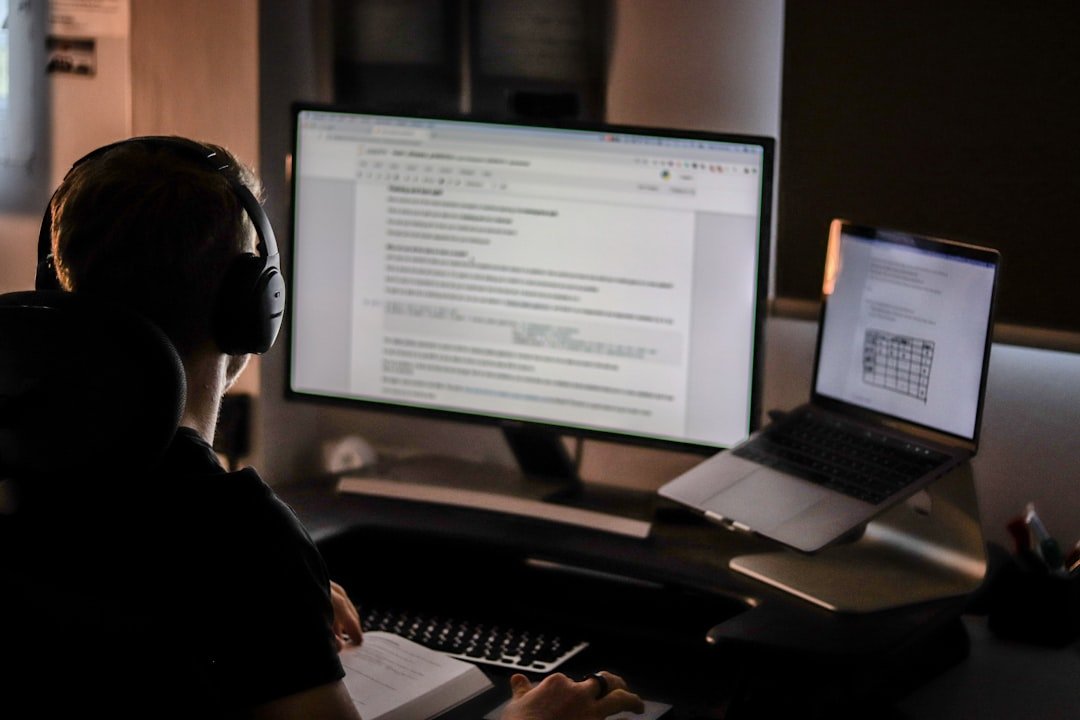
Two sources retrieved for this revision complicate the picture in different directions.
A 2022 systematic review in Music and Science by Cheah, Wong, Spitzer and Coutinho examined background music and cognitive task performance, a field it describes as marked by inconsistent methods and inconclusive findings.
It confirmed the earlier findings on the detrimental effect of background music, particularly with lyrics, on memory-related tasks and reading comprehension, and found that background music slows down reading speed. Then the refinement: instrumental music generally does not affect cognitive task performance, except for its detrimental impact on serial recall and complex cognitive tasks.
That is a meaningful correction to the original version of this article, which presented instrumental music as simply neutral. It is neutral on average and not neutral on the hardest tasks.
Pointing the other way, a 2023 meta-analysis in Psychology of Music by de la Mora Velasco and colleagues integrated 71 effect sizes from 47 studies of background music and learning. It found a small positive mean effect of d equals 0.314 in favour of the background music condition, a medium positive effect for studies implementing music before the learning assessment rather than during it, a small positive effect for factual knowledge retention, a small positive effect for classical music over other genres, and age as a potential moderator.
Its authors go further, saying the results suggest a revised explanation refuting existing cognitive load and multimedia learning theories that discourage the use of background music during instruction.
Note the second finding carefully. The medium effect was for music played before the assessment. That is a different intervention from music during the task, and it may be doing much of the work in the positive result.
Reconciling them
These are not straightforwardly contradictory, and the differences are informative.
The negative findings concern memory, reading comprehension and serial recall measured during the task. The positive meta-analysis concerns learning outcomes, with its strongest effect when music preceded rather than accompanied the assessment.
The 2011 authors also suggested a mechanism, as a later paper characterises it, that music may only benefit tasks that are easy or largely automatised where cognitive load is low, while diverting attention from more complex or less automatised tasks. We cite that as the later paper reports it rather than from the meta-analysis directly, so treat it as weaker than the other claims here. It is at least consistent with the 2022 review’s finding that instrumental music is harmless except on complex tasks.
What this does not settle

None of these studies used programming, writing, design or any real work task. Outcomes were memory, reading comprehension, arithmetic and learning assessments in laboratory or classroom conditions.
The instrumental condition in the 2023 study was one genre. Nothing tests ambient, classical, film scores or the vast category people actually use, though the 2023 meta-analysis did find a small advantage for classical over other genres in learning.
And a strong reason to use music has nothing to do with cognition: the 2011 meta-analysis found background music has a positive impact on emotional reactions. If music makes an unpleasant task tolerable enough that you do it, no reading-comprehension effect size settles that trade. That is a different question from unwanted office noise, which you did not choose.
Common questions
Should I turn off music with lyrics while working?
The evidence points that way for reading and memory tasks. A 2023 study found music with lyrics hindered verbal memory, visual memory and reading comprehension with effect sizes around minus 0.3, while its effect on arithmetic was not credible. A 2022 systematic review confirmed the detrimental effect of background music, particularly with lyrics, on memory-related tasks and reading comprehension, and found it slows reading speed. A 2011 meta-analysis separately found background music disturbs the reading process and has small detrimental effects on memory. The tasks involved were laboratory measures rather than real work, so this is a well-supported direction rather than a precise prediction about your job.
Is instrumental music actually safe?
Mostly, with one exception that is new to this version of the article. A 2022 systematic review found instrumental music generally does not affect cognitive task performance, except for its detrimental impact on serial recall and complex cognitive tasks. A 2023 study found instrumental music, specifically hip-hop lo-fi, did not credibly hinder or improve performance across four tasks. The same study found participants were usually aware of the distracting effect of lyrics but tended to believe instrumental music was beneficial, which measured performance did not show. So instrumental over lyrics is supported; instrumental as actively helpful is not; and instrumental as harmless on your hardest work is now qualified.
Does any research say music helps?
Yes, and this revision added it. A 2023 meta-analysis integrating 71 effect sizes from 47 studies of background music and learning found a small positive mean effect of d equals 0.314 in favour of the music condition, with a medium effect for studies implementing music before the learning assessment, small positive effects for factual knowledge retention and for classical music over other genres, and age as a potential moderator. Its authors say the results refute existing cognitive load theories that discourage background music during instruction. Note the strongest effect was for music played before the assessment rather than during it, which is a different thing from working with music on.
Why do studies disagree so much?
Because they measure different things and the averages hide it. The 2011 meta-analysis found a global null that its authors attribute to specific effects cancelling out, having identified that music disturbs reading and slightly harms memory while improving emotional reactions and sports performance. A 2022 systematic review describes the field as marked by inconsistent methods and inconclusive findings. The negative results concern memory and comprehension during the task; the positive meta-analysis concerns learning outcomes, sometimes with music played beforehand. Anyone citing the global null as proof music does nothing is quoting the part the authors explicitly said not to read that way.
The argument you are actually having
Every office has this argument and it never resolves, because both sides are describing something real.
The person who says music helps is right about the emotional effect, which the 2011 meta-analysis found, and now has a 2023 meta-analysis of 47 studies partly on their side. The person who says it wrecks their concentration is right about reading and memory, which three separate sources support, and about complex tasks specifically, which the 2022 review added.
What the revision changed is that the middle ground got narrower. Instrumental music is not simply harmless: it is harmless on ordinary tasks and detrimental on serial recall and complex ones. And the belief that instrumental music actively sharpens you, which people held in the 2023 study while their performance said otherwise, still has no support from work measured during the task.
None of which tells you to work in silence. It tells you what you are trading, and that the trade changes with how hard the thing in front of you is. That is a more useful rule than a verdict, and it applies equally to whether media multitasking costs you anything and to reading on a screen, where the same pattern appears: the cost concentrates on the demanding end.
Did this answer your question?
Thanks. That helps us decide what to fix.



Leave a comment