
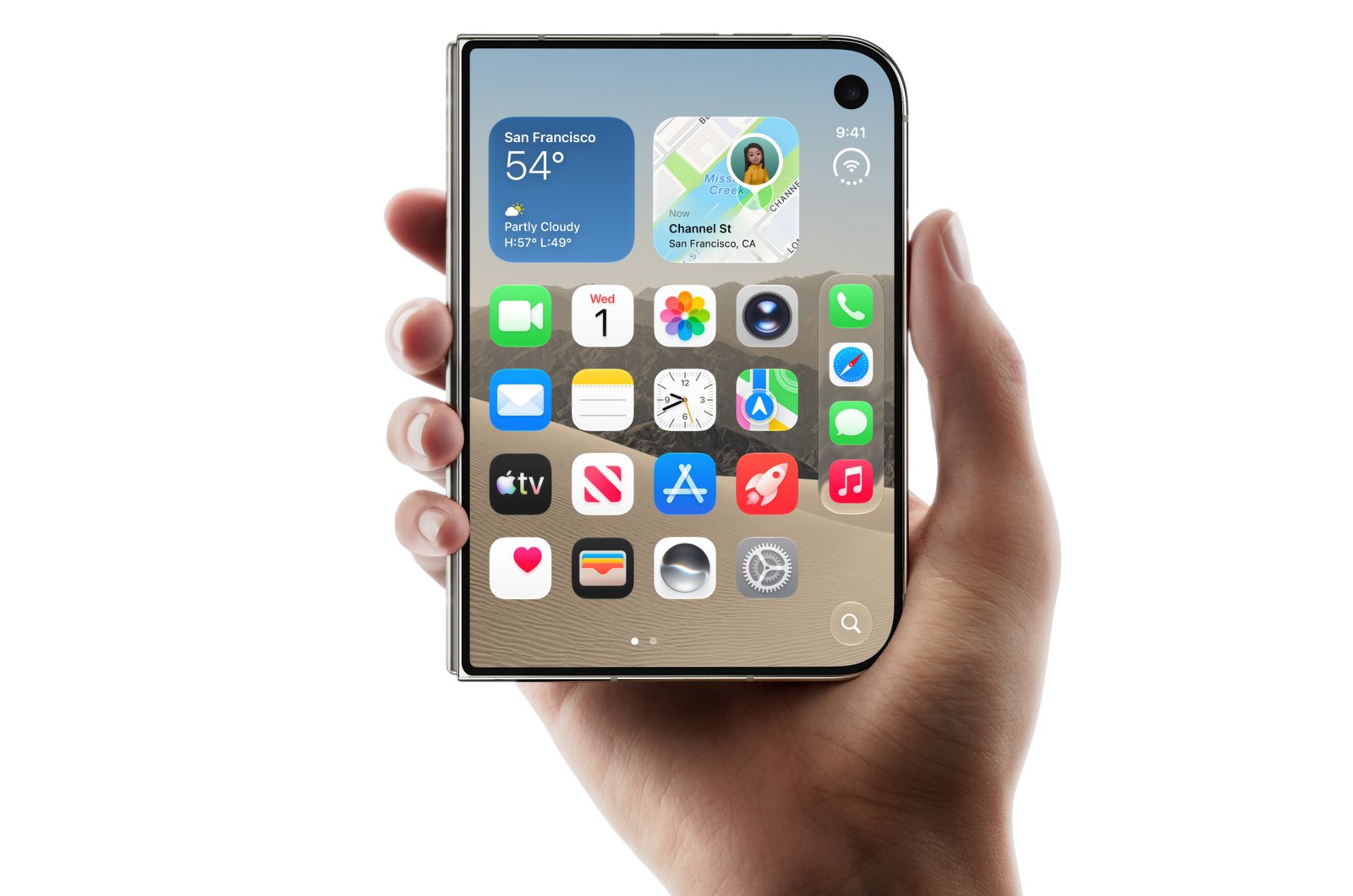
Siri AI can now draft an email or a message for you from scratch, and the honest cost of letting it is not that you forget how to write. It is quieter than that. You tend to trust what an automated aid produces more than it has earned, and the check that would catch the difference gets shorter without you noticing.
This is not a review of the feature. It is the answer to a fair question for anyone who writes for a living: if the phone will draft your correspondence, what does handing that work over actually do to you? The research on offloading mental work to a tool has an answer, and it is more specific than the headlines.
What Apple shipped
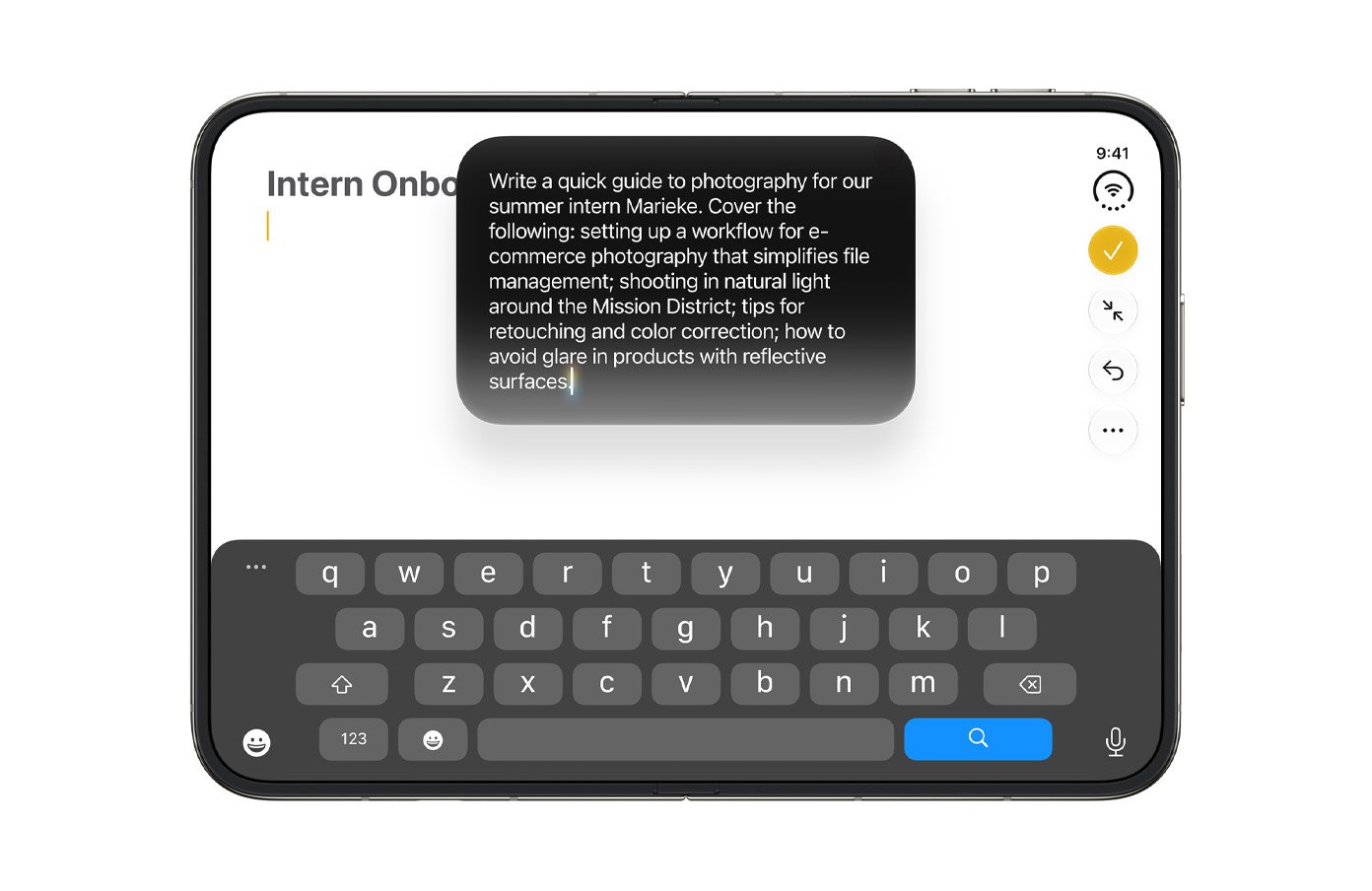
In Apple’s description, “Siri AI can now generate a draft from scratch or provide feedback on what you’ve written”, anywhere you type. Alongside it, the writing help is pitched at “helping you strike the right tone, proofread your work”. Strip the presentation and what has arrived is writing offloaded to the phone: not a spell-check, but a system that will produce the sentences and then reassure you they are good.
Offloading is ordinary, and the research says so
Handing mental work to a tool is not new or suspect. Risko and Gilbert, in a 2016 review in Trends in Cognitive Sciences, define cognitive offloading as “the use of physical action to alter the information processing requirements of a task so as to reduce cognitive demand”, and note it is so ordinary we barely see it. Writing a meeting time in a calendar is offloading. Letting an editor remember the shape of your code is offloading. Letting Siri AI write the first draft of an email is a larger version of the same ordinary move, not a break from it.
What that review adds is the part worth carrying over. It offers “a novel metacognitive framework”, which is a way of saying the interesting question about offloading is not whether you do it but how well you judge the result. That judgement is where the cost hides.
Where the cost actually lands: calibration, not skill

The popular story is that leaning on AI makes you worse at the underlying task. Our own review of the offloading and AI evidence found something narrower and more useful: the documented cost is a calibration problem. When you pass a judgement to an automated aid, your confidence in the output comes loose from its accuracy, and the checking that would have caught the gap quietly gets shorter. The failure is not that you can no longer write. It is that you send text you did not really read, because it looked finished and sounded sure.
A tool that both writes the sentences and tells you they strike the right tone is, by design, tuned to produce that overconfidence. The output is fluent whether or not it is right, and fluent is exactly what makes a reader stop checking.
What to do when Siri AI drafts for you

The fix is not to refuse the tool, and it is not willpower. It is to make the check structural. Read what it wrote before you send it, out loud if it matters, as if a colleague had drafted it and you were the one whose name goes on it. Treat “this looks right” as the moment to verify, not the moment to stop. Reserve extra suspicion for anything that carries weight: a message to a customer, a commit description, anything a mistake in would cost you. The tool is worth using. It is not worth trusting on sight.
Common questions
Does letting Siri AI write my emails make me a worse writer?
Not on the evidence. Offloading writing to a tool is ordinary, and the research does not show it causing lasting skill loss. The documented risk is a gap between how good you think the output is and how good it actually is, which is a checking problem, not a skill one.
What is cognitive offloading?
Using an external action or tool to reduce the mental demand of a task: a calendar reminder, a calculator, a type checker, or an AI that drafts your email. It is normal and usually a good trade. The question is how well you judge what comes back.
Is AI drafting really different from autocomplete or a template?
It is more of the same offloading, with one twist that matters: the output is longer, more finished, and more confident-sounding. That polish is precisely what loosens your checking, so the more capable the tool, the more deliberate the verification has to be.
Should I just turn it off?
No need. The evidence does not support avoiding the tool. It supports using it and then verifying it, especially for anything that carries a consequence. Use it to get past the blank page, not to skip the read.
For the detailed studies behind the calibration finding, including how the confidence gap shows up in real work, see Cognitive Offloading and AI: Why Confidence Outruns Code.
Did this answer your question?
Thanks. That helps us decide what to fix.



Leave a comment