
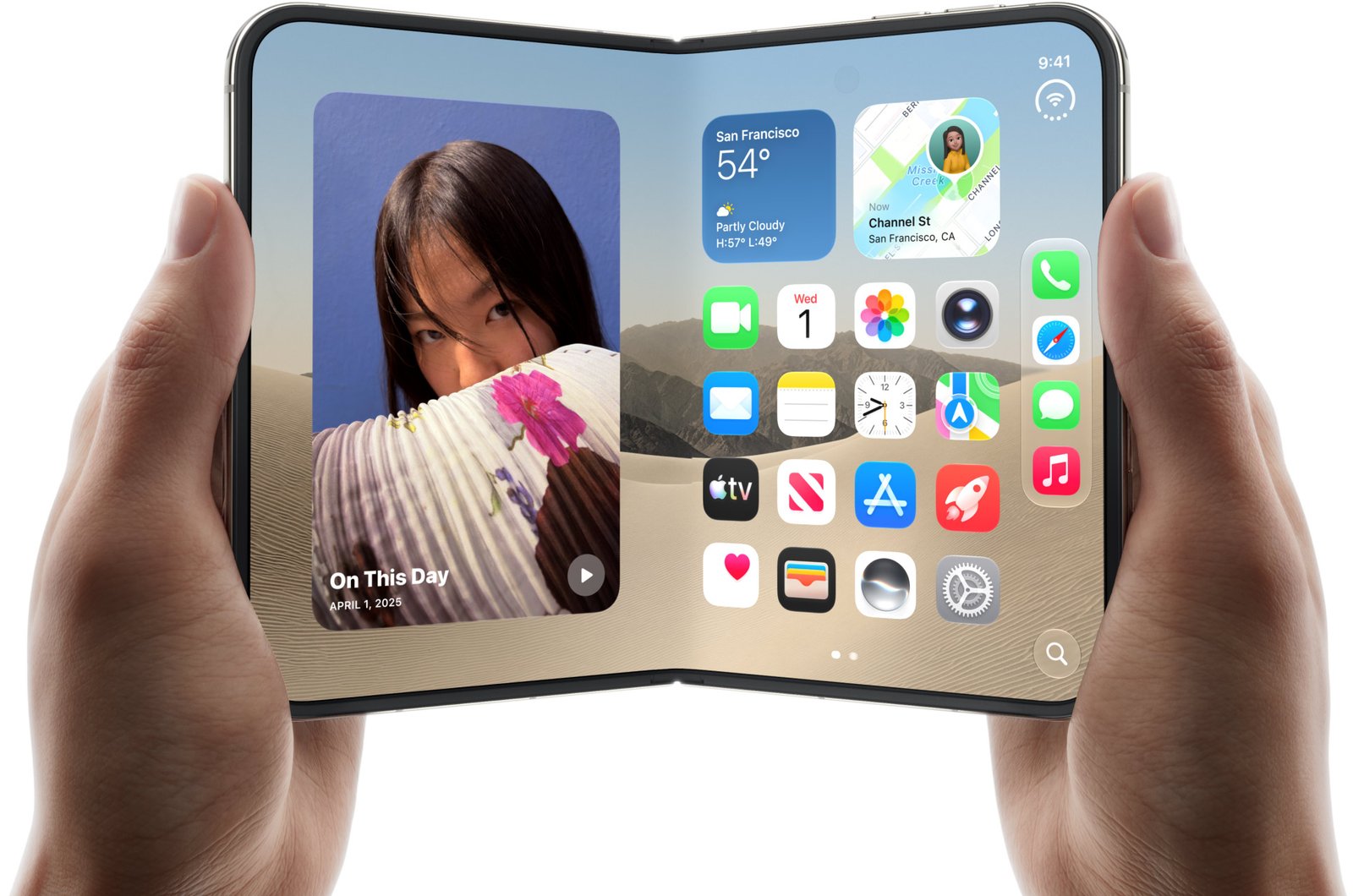
The iPhone Duo has the brightest display Apple has put in a phone and a finish designed to cut glare, and neither of those is what causes or cures the eye strain you feel at the end of a screen day. That is the honest headline, and it runs against the grain of how a brighter, cleaner display gets sold.
This is not a review of the panel. It is the answer to a question a lot of people will quietly ask when they see the specifications: will a better screen finally stop my eyes aching? The research on display polarity and digital eye strain has an answer, and it points away from the glass.
What Apple changed
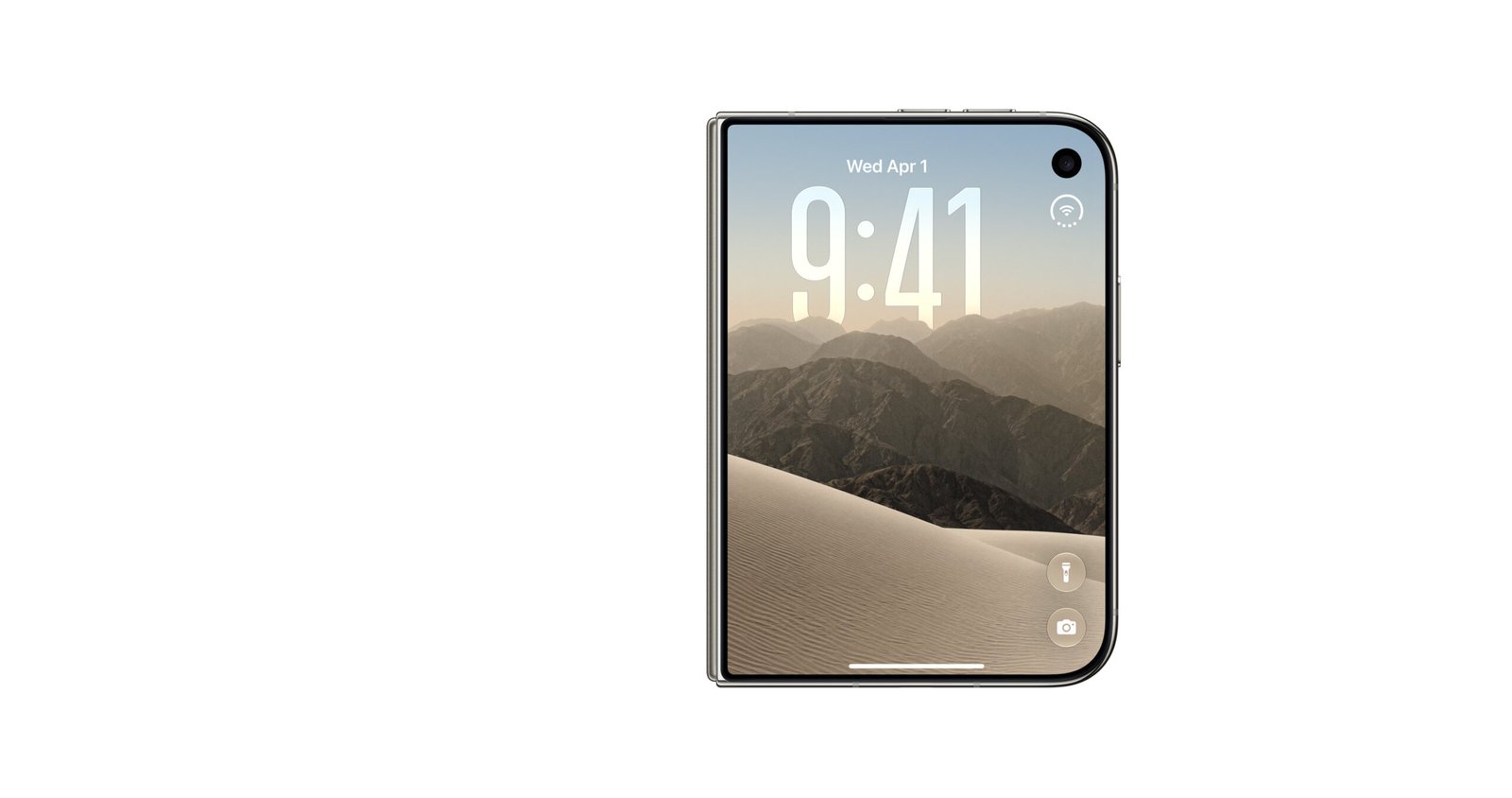
The Duo’s inner display runs to “3000 nits peak brightness” and carries a “custom-designed nano-texture finish technology for reduced glare and reflections”. In plain terms: very bright, and matte rather than mirror-like. Both are real improvements in how a screen behaves in a bright room. Neither is aimed at the mechanism behind sore eyes, and it is worth seeing why.
What the display research actually says
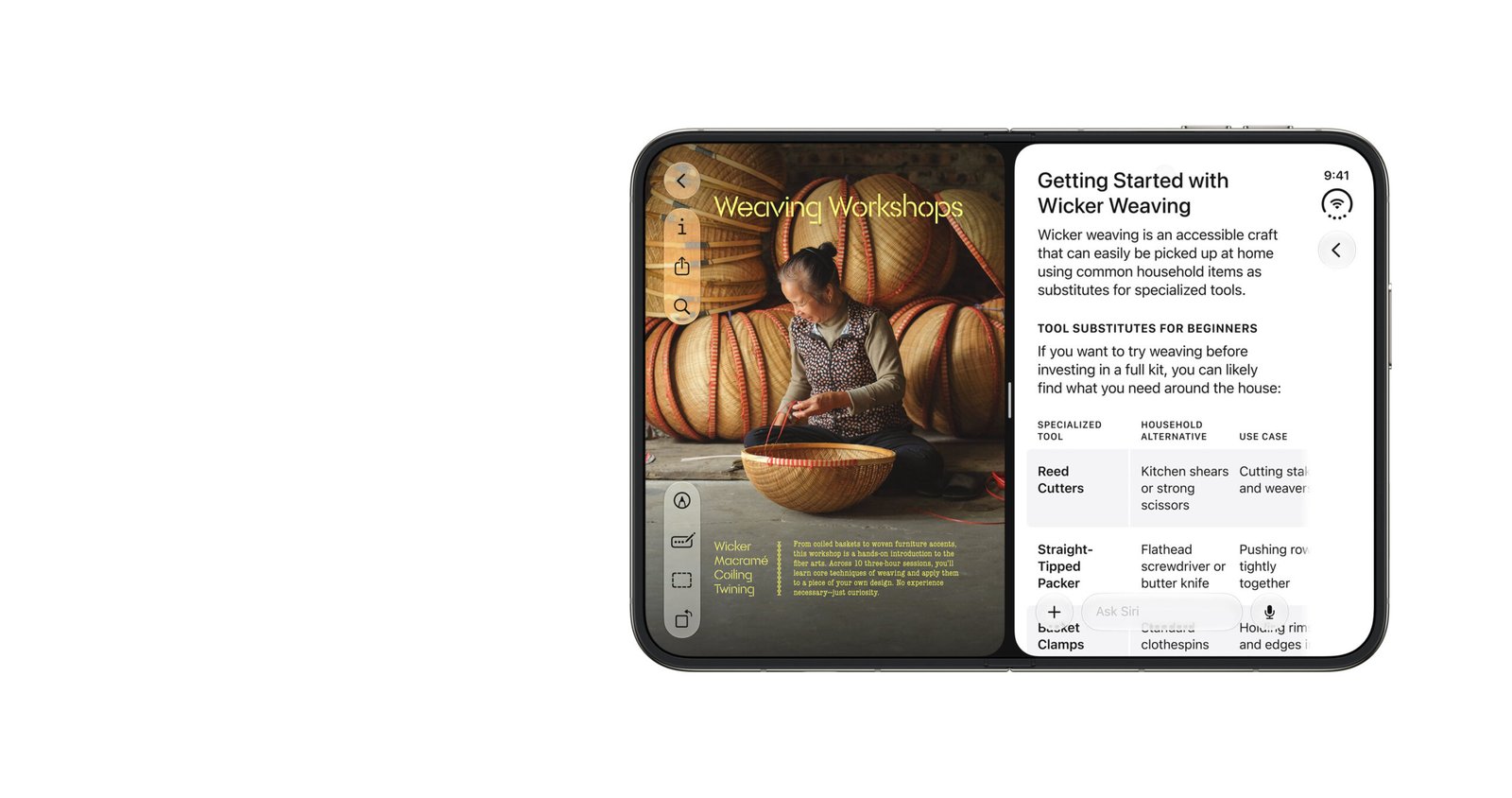
Start with the dark-mode question, because it is the one people assume is settled. When researchers compare dark text on a light background against light text on a dark one, the light background tends to win for legibility. One study of 169 younger and older adults reported that “a positive polarity advantage was found for both age groups”, meaning the conventional light mode was read more accurately, an effect that grows as text gets smaller. Dark mode is a preference and a battery choice, not an eye-saving one.
Fatigue tells the same story from the other side. The thing that tires your eyes is not how the screen is coloured. As the eye-strain review below reports, the work you do through the screen moves your eyes far more than the way the screen is drawn, which is why dark mode never delivers the relief people expect from it.
Where eye strain actually comes from
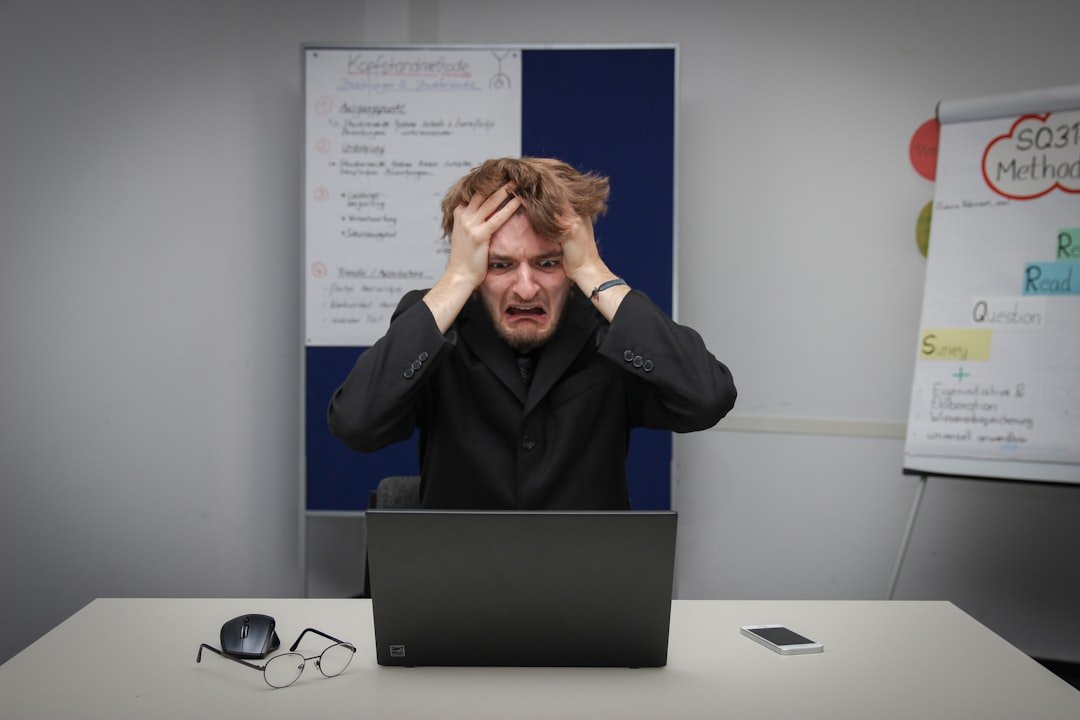
If it is not brightness or polarity, what is it? A review of digital eye strain describes it as “a consequence of demanding near work, rather than screen use per se”. The load is on the focusing system and, above all, on blinking. The same review notes a blink rate of “18.4 blinks/min before computer use, decreasing to 3.6 blinks/min” during it, which is the drying, aching mechanism most people are actually feeling. And tellingly, “changing the cognitive demand had a greater impact on blink rate than presentation format”. How hard you are concentrating moves your eyes more than how the screen is drawn.
A brighter, matte Duo does not change any of that. You still hold it close, you still concentrate, you still forget to blink.
What the iPhone Duo genuinely helps with
This is not to wave the improvements away. Reduced glare is a genuine comfort feature, particularly outdoors or under harsh office lighting, where reflections make you squint and tilt. High brightness keeps text legible in sunlight. Those are real, and if a screen you can actually see in daylight means you stop hunching toward it, that is worth having. What none of it does is treat eye strain, because eye strain is a near-work and blinking problem, and comfort in bright light is a different problem that the Duo happens to solve well.
What to do about sore eyes, whatever screen you own
The evidence points at behaviour, not hardware. Take breaks that let your focus reach past the screen: the standard advice is “a 20 s break every 20 min to view a distant object”, which relaxes the focusing muscles the near work has been holding tight. Blink on purpose, because you are doing far less of it than you think. And notice when a task gets cognitively heavy, since that is when your blink rate collapses. A brighter screen is nice. None of these cost anything, and unlike the screen, they address the actual cause.
Common questions
Does dark mode reduce eye strain?
No trial shows it does. For legibility the light background tends to win, more so at small text sizes, and what actually tires your eyes is near-work demand and reduced blinking rather than screen colour. Use dark mode if you prefer it or want the battery saving, not to protect your eyes.
Does a brighter screen cause eye strain?
Not in itself. Eye strain tracks near-work demand and reduced blinking, not peak brightness. A screen too dim to read comfortably can make you squint, so matching brightness to your surroundings helps, but a very bright display is not a cause of strain on its own.
Does the Duo’s matte, anti-glare screen help my eyes?
It helps with glare, which is a comfort problem, especially in bright light. That is worth having. It does not treat eye strain, which comes from how long and how closely you focus, not from reflections on the glass.
So is the iPhone Duo better for your eyes?
More comfortable to look at in difficult light, yes. Better for eye strain, no, because nothing about the display changes the near-work and blinking that cause it. The fix is breaks and blinking, on any phone.
For the full evidence on screen polarity and comfort, see Does Dark Mode Reduce Eye Strain? and, on the separate blue-light question, Do Blue Light Glasses Work?
Did this answer your question?
Thanks. That helps us decide what to fix.


Leave a comment