
TorpidLife Team
Always-listening AI wearables and your memory: does a “second brain” weaken your real one?
A device that records everything you hear will not damage your memory the way a head injury does. What it will do, if the research on…
Do Multivitamins Do Anything for Energy or Stress?
The effects are small and real. The moderator finding underneath them says more about what people were eating than about what supplements do.

“AI anxiety”: is worrying about AI taking your job affecting your health?
Worrying that AI will take your job is a form of perceived job insecurity, and perceived job insecurity is one of the better-studied occupational stressors there…

Does Exercise Actually Work as a Treatment for Depression?
The evidence is unusually large for a lifestyle intervention and its own authors rate their confidence in it as low. Both halves matter.
AI sycophancy: what it means when your assistant agrees with everything
Sycophancy is the documented tendency of AI assistants to agree with you, praise you, and adjust their answers to match what you already believe. It is…

Do You Actually Need 10,000 Steps a Day?
The most famous number in health had no research behind it. The research that eventually arrived says something more useful and considerably less demanding.

“Cognitive debt”: what the MIT “Your Brain on ChatGPT” study actually found
The MIT study did find something: people who wrote essays with ChatGPT showed weaker EEG connectivity, felt less ownership of what they wrote, and could not…
Vibe coding: what the data say about shipping code you didn’t read
Every developer now has an opinion about vibe coding, and most of those opinions are calibrated against how the workflow feels. That is a problem, because…

Zone 2 cardio: what the physiology supports and what the hype invented
Zone 2 cardio has become the flagship product of the longevity podcast economy: long, easy, conversational-pace sessions sold as the uniquely correct way to build mitochondria…
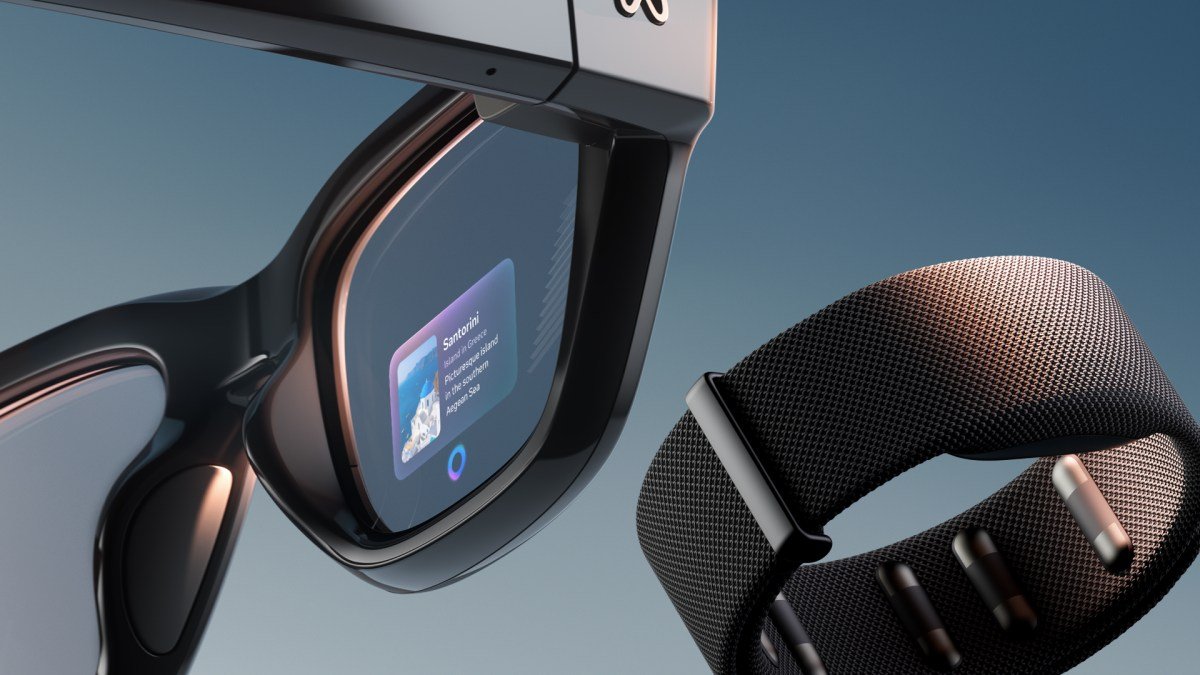
Meta’s display smart glasses: what a screen on your face does to your eyes and attention
Nobody has studied what Meta’s display glasses do to your eyes or your attention over months of daily wear, because the product has only been on…

GLP-1 drugs and the brain: what we actually know about food noise, focus and energy
Semaglutide (Wegovy, Ozempic) and tirzepatide (Zepbound, Mounjaro) are the most heavily discussed drugs of the decade, and much of the discussion has drifted from weight to…

Does creatine help your brain, not just your muscles?
Creatine does something for the brain, but it is smaller and more conditional than the “focus supplement” framing suggests. Pooled across randomised trials, the effect on…
Browse by subject
Tags cut across the four pillars, so a subject can be followed wherever it turns up.
AI Tools Beginner Friendly Blue Light Burnout Buying Guide Caffeine Ergonomic Chairs Explainer How-To Monitor Arms Posture Remote Work Screen Time Sleep Tracking Standing Desks
How these articles get written
Every claim is traceable to a named source, and where the evidence is thin that gets said rather than smoothed over. Read the research standards to see what a claim has to clear, or read about TorpidLife.