Diet & Energy
Eating for steady concentration rather than a lift followed by a slump. This pillar covers caffeine timing and tolerance, hydration, and meal patterns that survive a bad week rather than assuming a free hour and a stocked kitchen. The register here is deliberately unmoralising: the goal is not to talk anyone out of coffee or into a regime, but to be precise about what the evidence actually shows, including how often it turns out to be thinner than the headline suggests. Nutrition research is unusually prone to overstated findings, so claims are traced back to the study design that produced them.

Does Magnesium Actually Help You Sleep?
The most searched sleep supplement of 2026 rests on 151 older adults and a manufacturer-funded trial whose competing interests were initially left out.
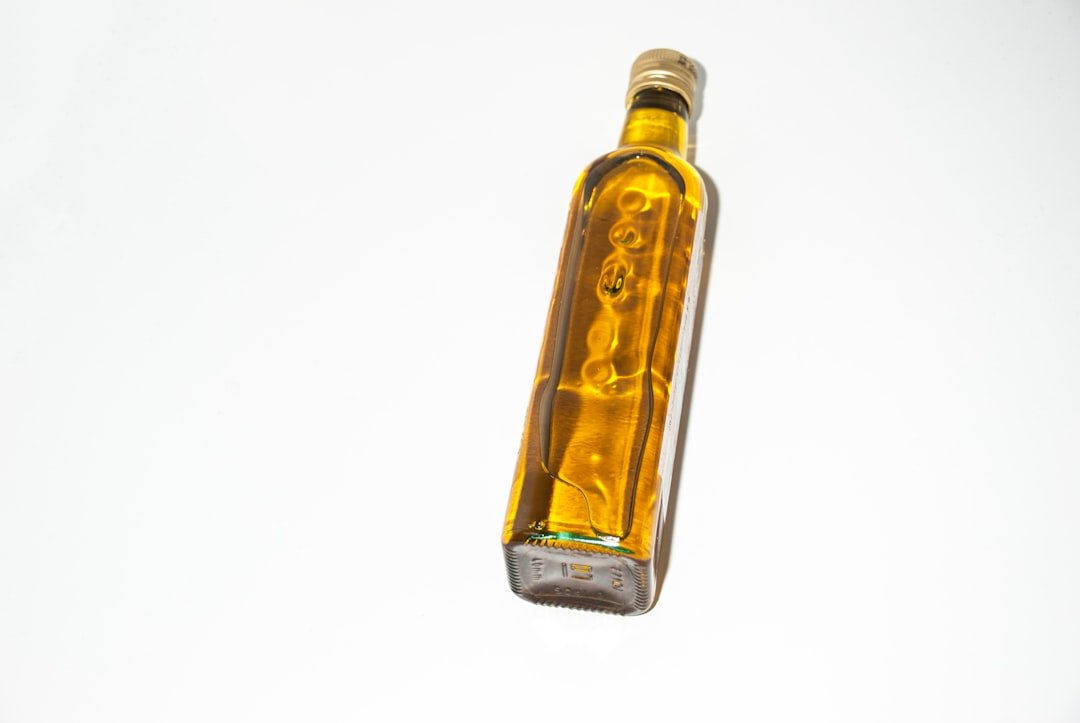
Are seed oils bad for you? What the evidence actually shows
“Seed oils” is the label used online for oils such as sunflower, soybean, corn and rapeseed. The case against them usually runs as a chain. These…

Can Changing What You Eat Actually Help Depression?
A striking result from a small trial, delivered alongside existing treatment, and a published challenge asking whether recruitment explains the effect size.

Ashwagandha for stress: what the trials show
Ashwagandha probably lowers cortisol a little and may lower stress scores a little over eight to twelve weeks, on the strength of small randomised trials, many…

Does Eating Late Actually Matter?
Identical food, different body. The physiology is now specific rather than suggestive, and what follows for a healthy person is still a separate question.
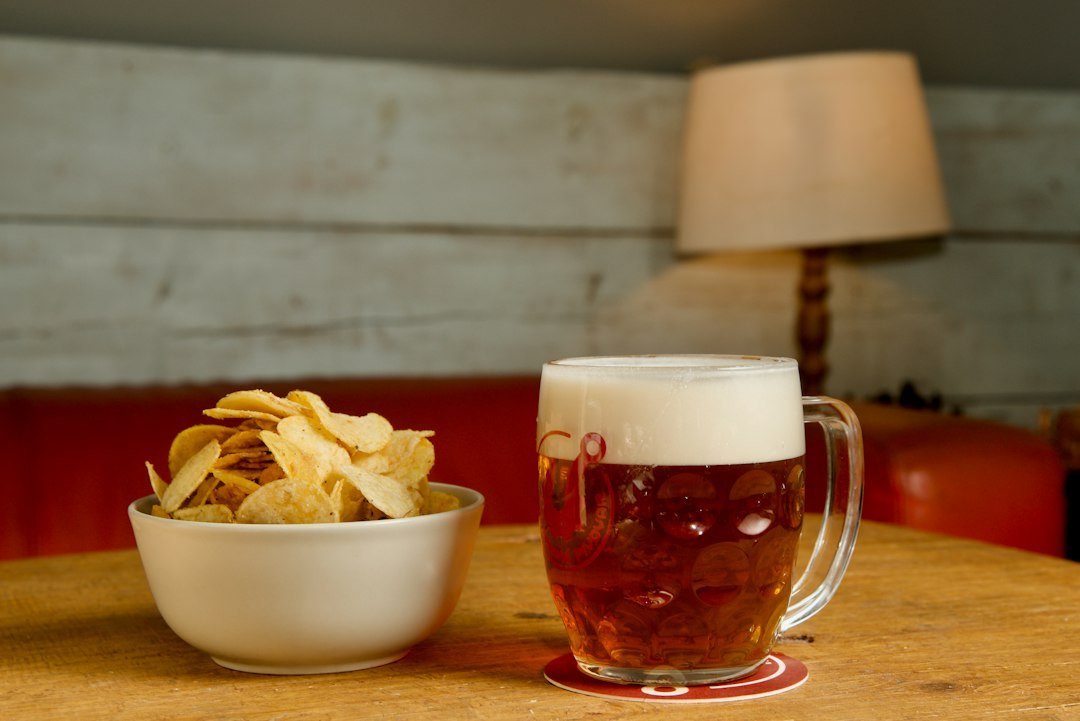
Ultra-processed food and afternoon brain fog
There is a real association between eating a lot of ultra-processed food and worse cognitive and mental-health outcomes over years, in large observational cohorts. There is…

Could low iron explain why you are tired, even without anaemia?
“Get your ferritin checked” has become standard advice for anyone who is tired all the time, and unlike a lot of fatigue advice it has randomised…
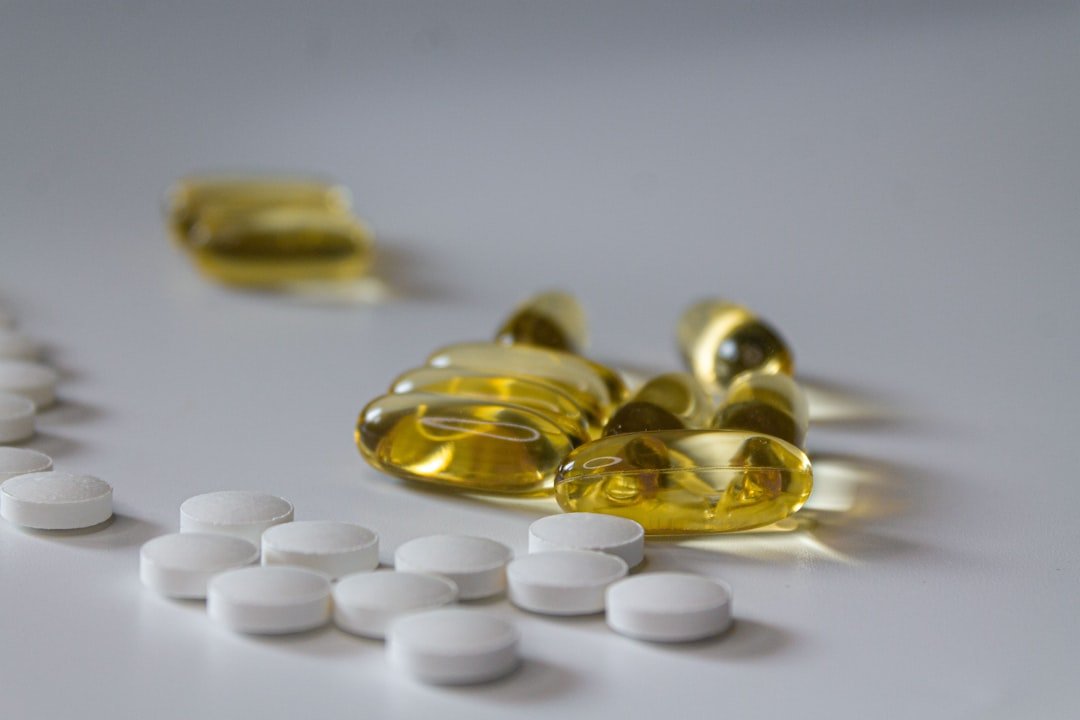
Do Multivitamins Do Anything for Energy or Stress?
The effects are small and real. The moderator finding underneath them says more about what people were eating than about what supplements do.

GLP-1 drugs and the brain: what we actually know about food noise, focus and energy
Semaglutide (Wegovy, Ozempic) and tirzepatide (Zepbound, Mounjaro) are the most heavily discussed drugs of the decade, and much of the discussion has drifted from weight to…
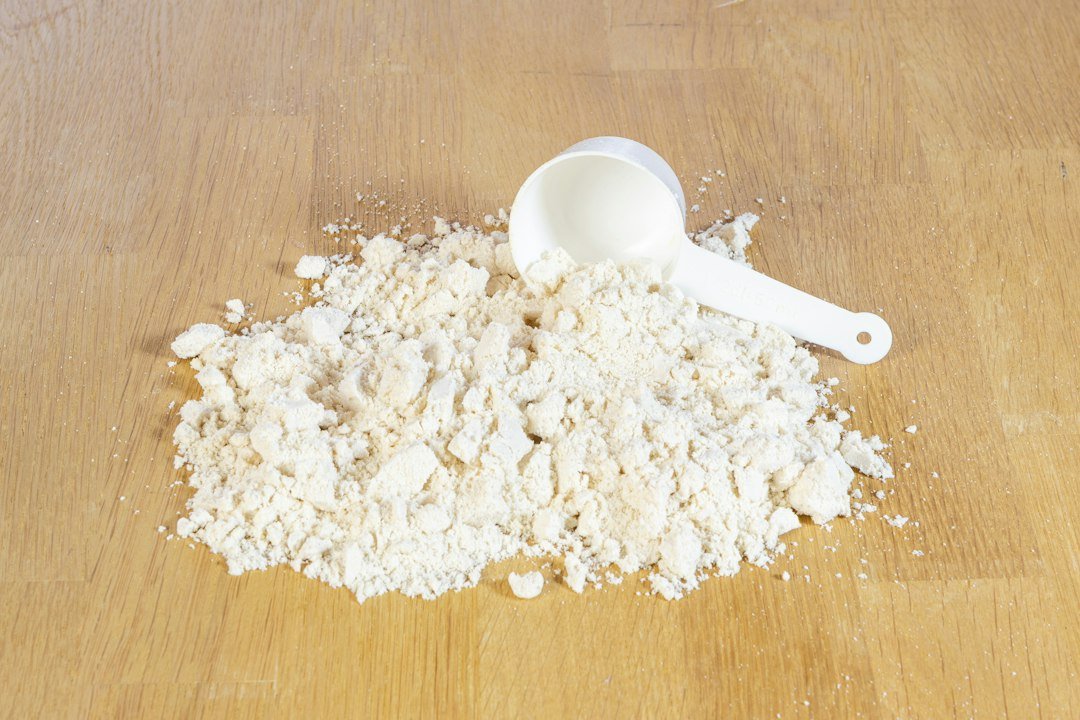
Does creatine help your brain, not just your muscles?
Creatine does something for the brain, but it is smaller and more conditional than the “focus supplement” framing suggests. Pooled across randomised trials, the effect on…
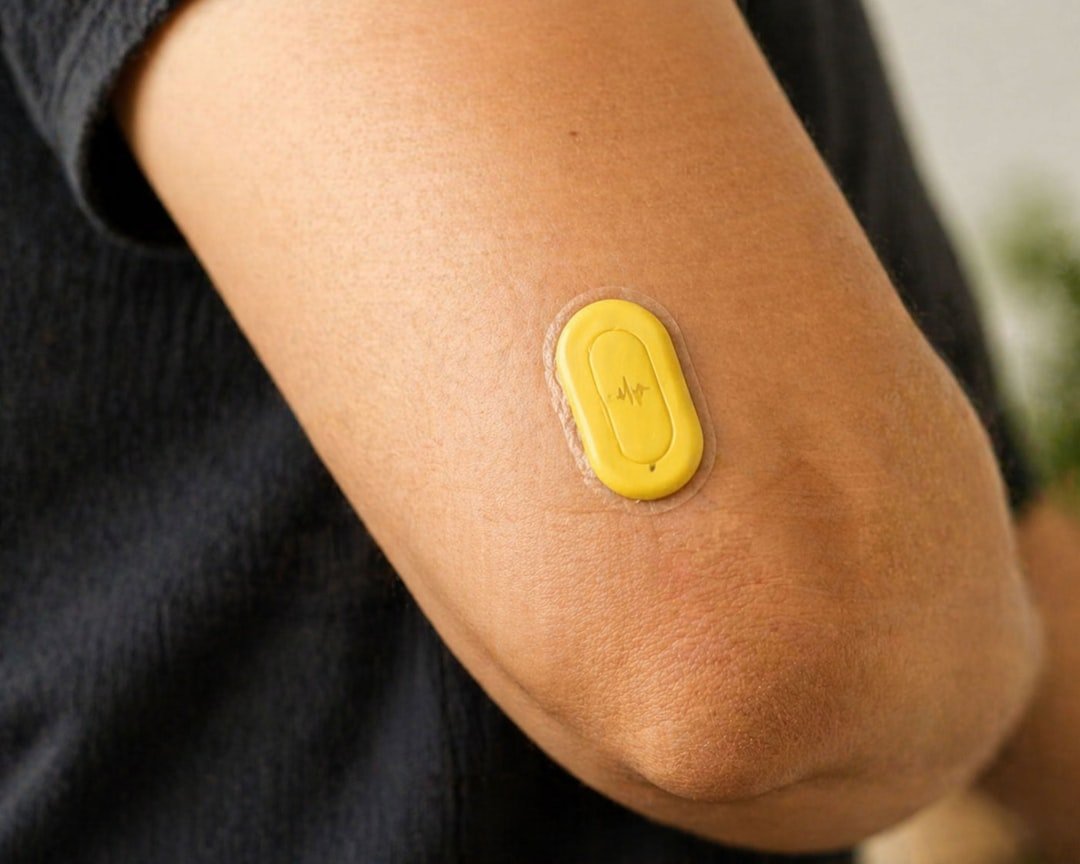
Should a healthy person without diabetes wear a continuous glucose monitor?
For most healthy people, no. A continuous glucose monitor (CGM) will show you a number that rises after meals and falls again, which is what a…

Could Low Vitamin D Explain Why You Are Always Tired?
A clean result from a small trial, and a search for its replication that came back empty. What the fatigue research has done since, and where…
Browse by subject
Tags cut across the four pillars, so a subject can be followed wherever it turns up.
AI Tools Beginner Friendly Blue Light Burnout Buying Guide Caffeine Ergonomic Chairs Explainer How-To Monitor Arms Posture Remote Work Screen Time Sleep Tracking Standing Desks
How these articles get written
Every claim is traceable to a named source, and where the evidence is thin that gets said rather than smoothed over. Read the research standards to see what a claim has to clear, or read about TorpidLife.