
Movement & Recovery
Micro-workouts, desk stretches, sitting breaks, sleep and recovery for a job that keeps you still for most of the day. Much of the research in this area is acute and laboratory-based, measuring surrogate markers over a single day rather than health outcomes over years, and this pillar says so rather than implying more. The useful questions are about dose: how much movement, how often, and what it actually buys you. Where a popular rule turns out to have no source behind it, or a source that says something different, tracing that is part of the coverage.
“Exercise snacks”: do one-minute movement breaks actually help?
Exercise snacks, meaning brief bursts of vigorous activity spread through a sedentary day, are one of the better-supported health trends of the last few years. The…

How Much Does One Bad Night’s Sleep Actually Cost You?
The effects of sleep loss are not uniform, and the pattern of what suffers most is more useful than knowing that something does.

Does Exercise Actually Work as a Treatment for Depression?
The evidence is unusually large for a lifestyle intervention and its own authors rate their confidence in it as low. Both halves matter.

Do You Actually Need 10,000 Steps a Day?
The most famous number in health had no research behind it. The research that eventually arrived says something more useful and considerably less demanding.

Zone 2 cardio: what the physiology supports and what the hype invented
Zone 2 cardio has become the flagship product of the longevity podcast economy: long, easy, conversational-pace sessions sold as the uniquely correct way to build mitochondria…

Is Rucking Worth It? What Load-Carriage Research Says About Walking With Weight
Rucking is walking with a weighted backpack. The word comes from the military rucksack, and so does most of the research, which was funded to keep…
What a “readiness” or “recovery” score actually measures (and whether it should change your day)
A readiness or recovery score is a proprietary blend of heart rate variability (HRV), resting heart rate, sleep and activity, compared against your own recent baseline…
Can a Sleep Tracker Make Your Sleep Worse?
Sleep clinicians started seeing patients who trusted their tracker over their own experience. The name they gave it, and why the data is weaker than it…
Apple Watch sleep apnoea notifications: what the alert means and what to do next
If your Apple Watch has told you it found signs of possible sleep apnoea, the short answer is: take it seriously, but it is not a…

Does Sleep Hygiene Actually Work?
Sleep hygiene is what you get told first. The evidence says it is what works least, and that the thing that works better is rarely offered.
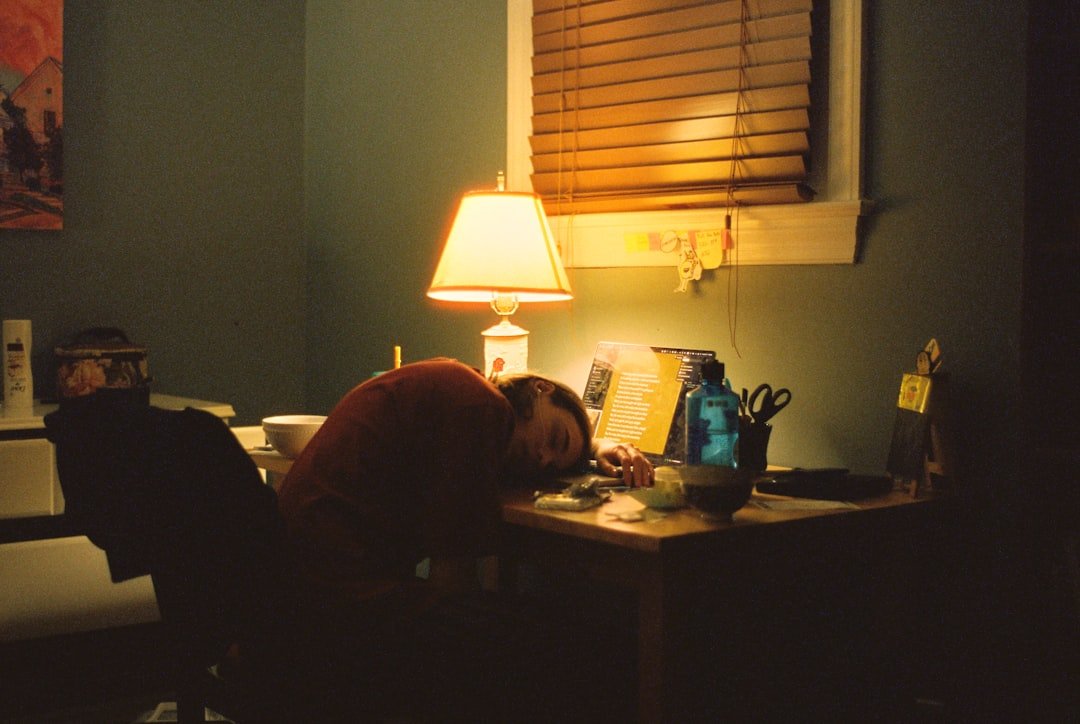
Does a Daytime Nap Actually Help You Work Better?
The original could not answer whether naps leave you groggy. A polysomnography study now can, and the answer is more reassuring than the meta-analysis suggested.

Do Cold Plunges Actually Do Anything?
The evidence for cold water is real, small, oddly timed, and almost entirely from men. The dopamine number everyone quotes comes from ten people.
Browse by subject
Tags cut across the four pillars, so a subject can be followed wherever it turns up.
AI Tools Beginner Friendly Blue Light Burnout Buying Guide Caffeine Ergonomic Chairs Explainer How-To Monitor Arms Posture Remote Work Screen Time Sleep Tracking Standing Desks
How these articles get written
Every claim is traceable to a named source, and where the evidence is thin that gets said rather than smoothed over. Read the research standards to see what a claim has to clear, or read about TorpidLife.