
Desk & Gadgets
Chairs, standing desks, monitor arms, keyboards and the rest of the hardware sold on the promise of a healthier working day. This pillar is mostly about telling the two apart: the changes that measurably alter how a day at a screen feels, and the ones that are expensive placebos with good marketing. Most of this category is sold on claims that were never tested, so the work here is separating what the evidence supports from what the product page asserts. Where a claim rests on a single small trial, or on no trial at all, that gets said plainly rather than smoothed over.
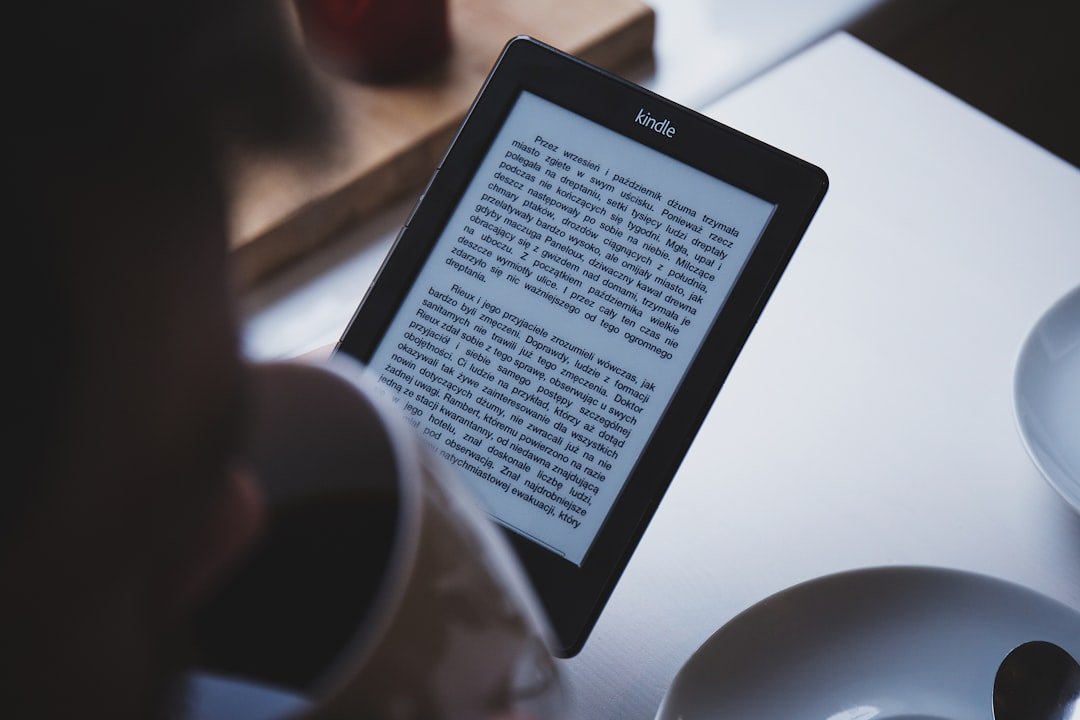
Do e-ink monitors reduce eye strain? What controlled studies actually show
E-ink monitors occupy an odd corner of the desk-gadget market: expensive, greyscale, sluggish, and bought almost entirely on one promise, that they are kinder to your…
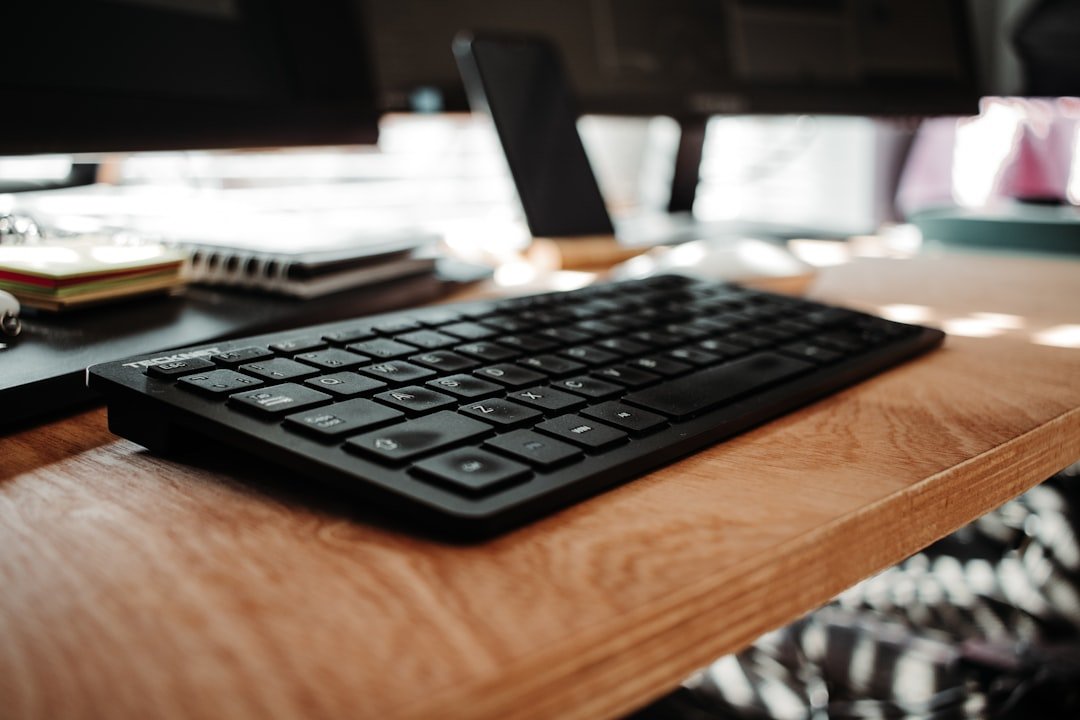
Split and ergonomic keyboards: prevention or placebo for RSI?
Split and tented keyboards do one thing reliably: they put the wrists and forearms closer to a neutral posture, and that has been measured with goniometers…

Is There Really a Correct Way to Sit?
The posture advice everyone receives rests on a causal claim one review could find no support for. Who funded that review is part of the story.
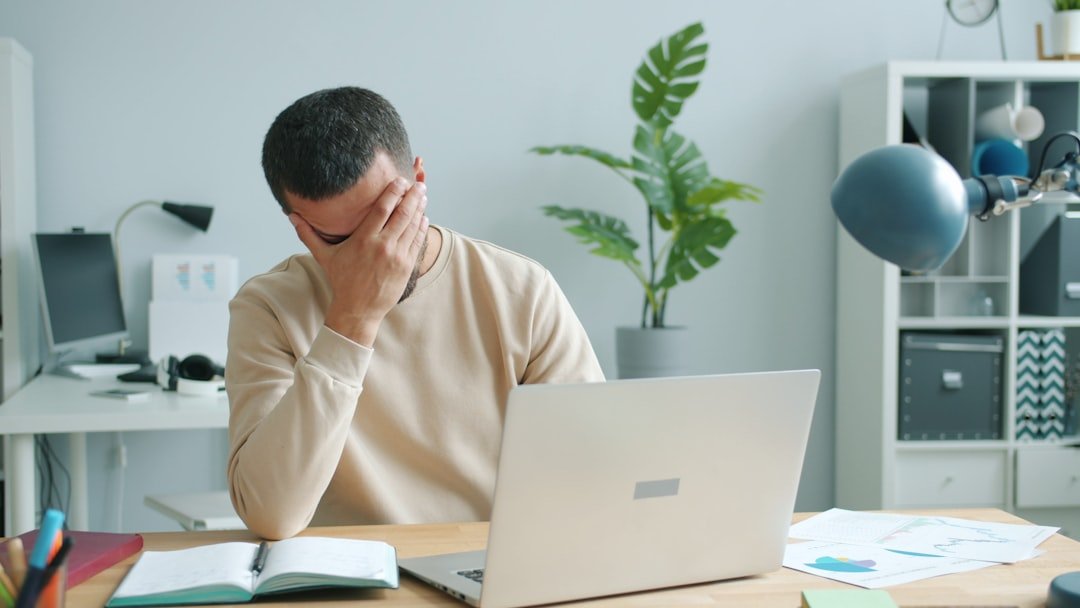
Is Dry Air the Reason Your Eyes Hurt at Work?
The mechanism is well described and measurable. The obvious fix is where the evidence gets awkward, and the work itself is part of the cause.

Does Office Lighting Actually Affect How Alert You Are?
A daylight study with striking results, two brightness studies that found almost nothing, and a distinction between them that explains the field.
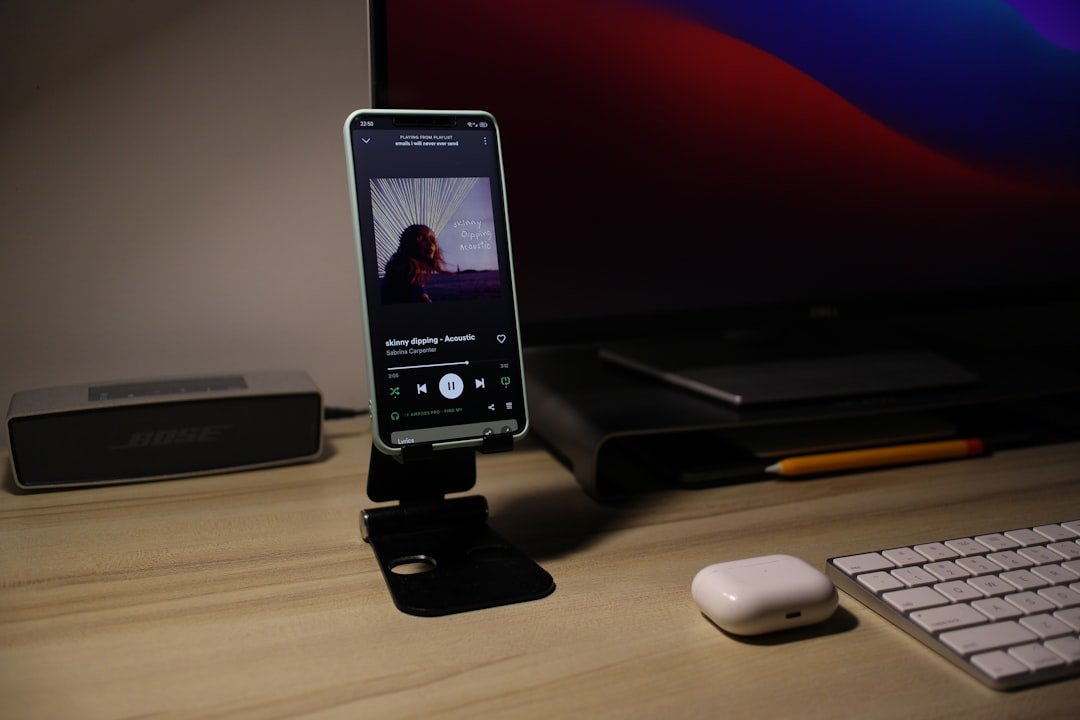
Always-listening AI wearables and your memory: does a “second brain” weaken your real one?
A device that records everything you hear will not damage your memory the way a head injury does. What it will do, if the research on…
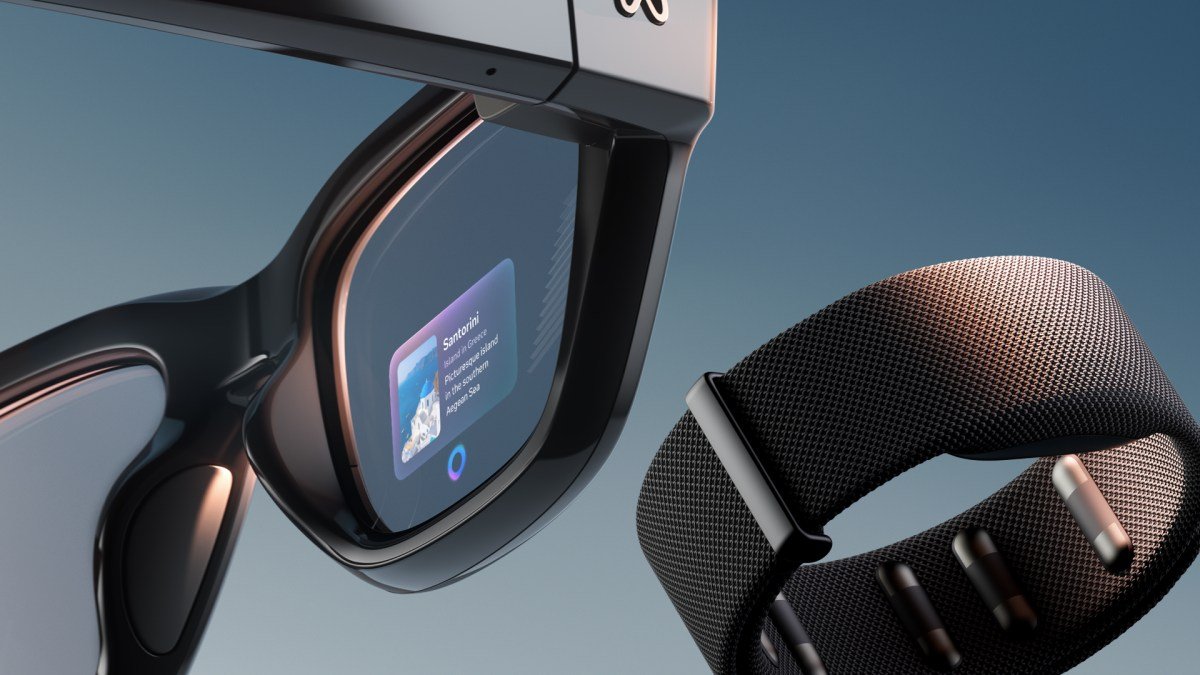
Meta’s display smart glasses: what a screen on your face does to your eyes and attention
Nobody has studied what Meta’s display glasses do to your eyes or your attention over months of daily wear, because the product has only been on…
Does Stuffy Air Make You Worse at Thinking?
A headline finding that sounds too large to be true, a space agency study that could not reproduce it, and a review that locates the disagreement…
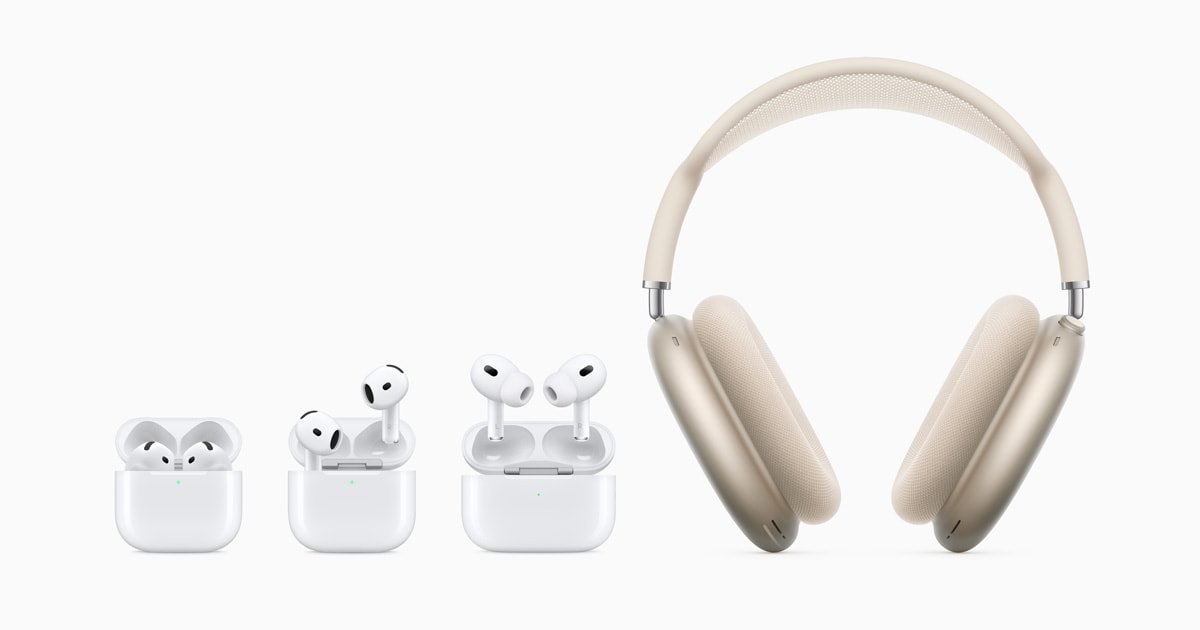
AirPods hearing test, hearing aid mode and Hearing Protection: do they protect ears that wear headphones all day?
If you wear earbuds for eight hours of calls and focus music, the AirPods hearing features solve a different problem from the one you have. Hearing…
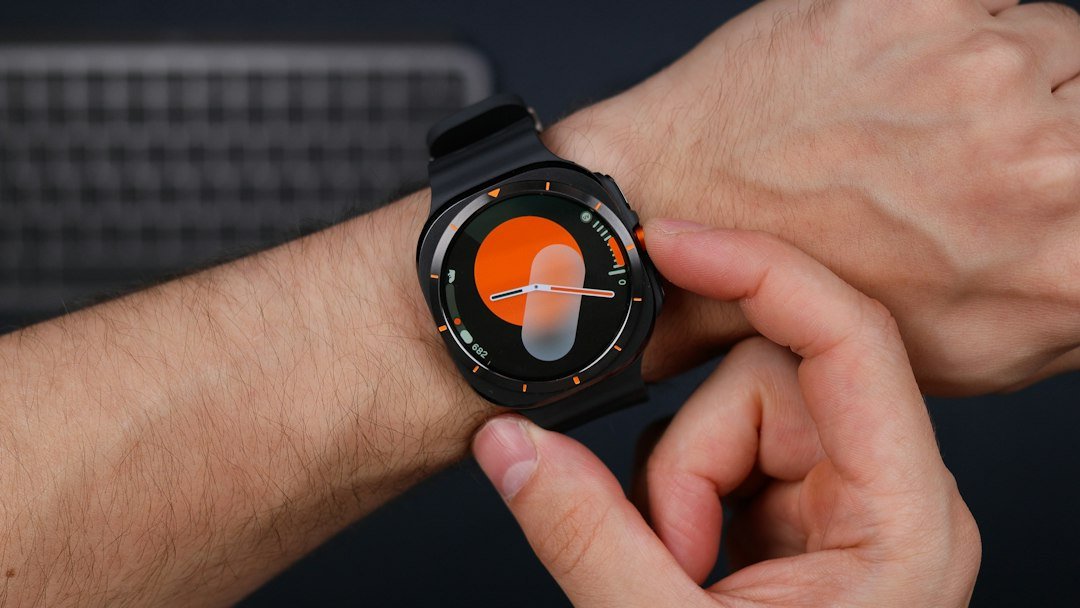
Can a smartwatch tell you that you have high blood pressure? What Apple’s hypertension notifications actually do
A watch cannot tell you your blood pressure, and Apple’s hypertension notifications do not claim to. What the feature does is look for a pattern in…

Does Office Temperature Affect How Well You Work?
One of the most repeated numbers in workplace science, reanalysed with double the data. The result was not a smaller effect but no detectable relationship.
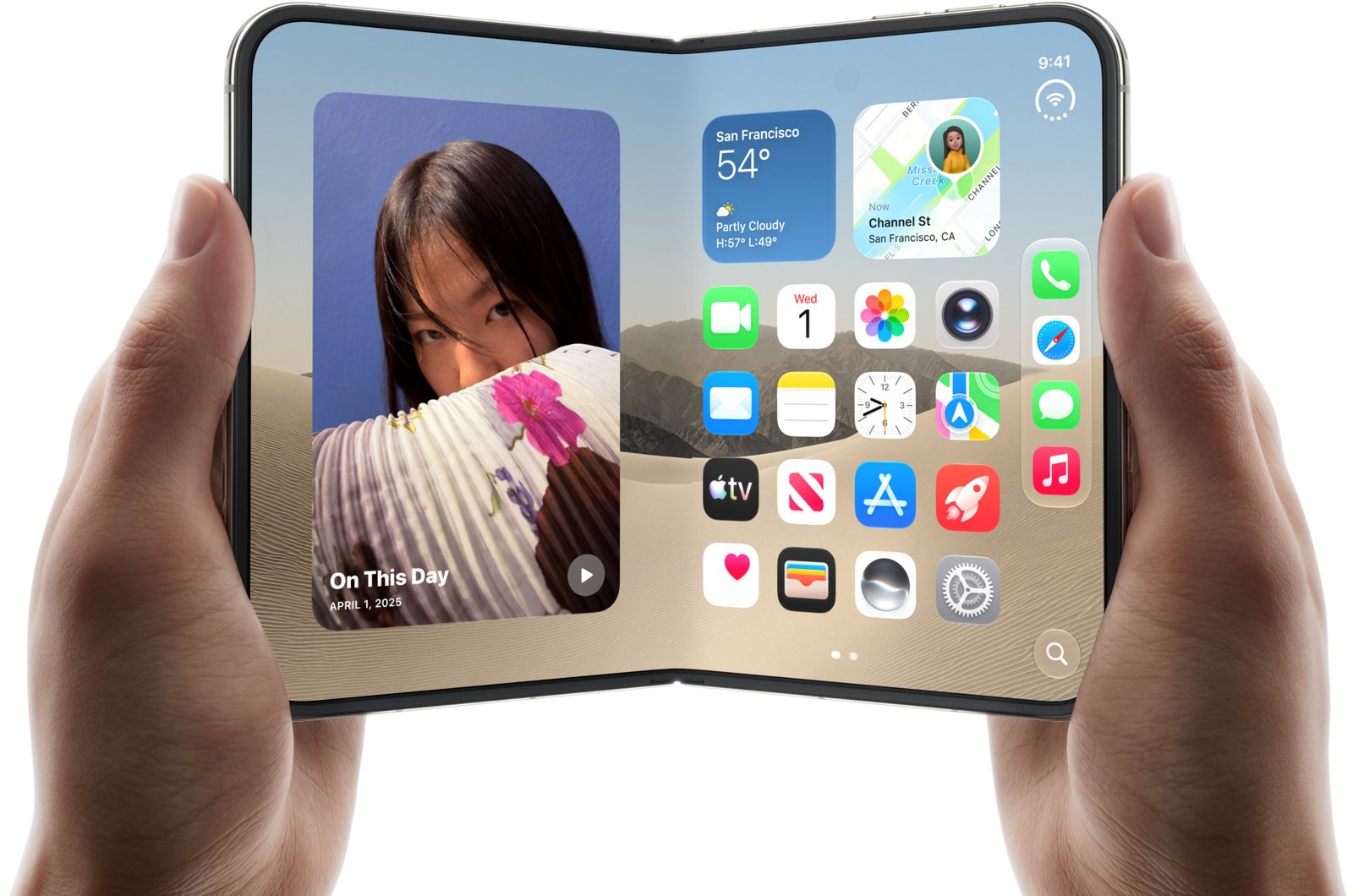
Does the iPhone Duo’s Bright Display Cause or Cure Eye Strain?
The iPhone Duo has the brightest display Apple has put in a phone and a finish designed to cut glare, and neither of those is what…
Browse by subject
Tags cut across the four pillars, so a subject can be followed wherever it turns up.
AI Tools Beginner Friendly Blue Light Burnout Buying Guide Caffeine Ergonomic Chairs Explainer How-To Monitor Arms Posture Remote Work Screen Time Sleep Tracking Standing Desks
How these articles get written
Every claim is traceable to a named source, and where the evidence is thin that gets said rather than smoothed over. Read the research standards to see what a claim has to clear, or read about TorpidLife.